Guadalupe Mountains National Park: Park Inspiration
Plan with current information. Conditions, roads, services, fees, and rules can change. Verify details with the National Park Service before your visit.

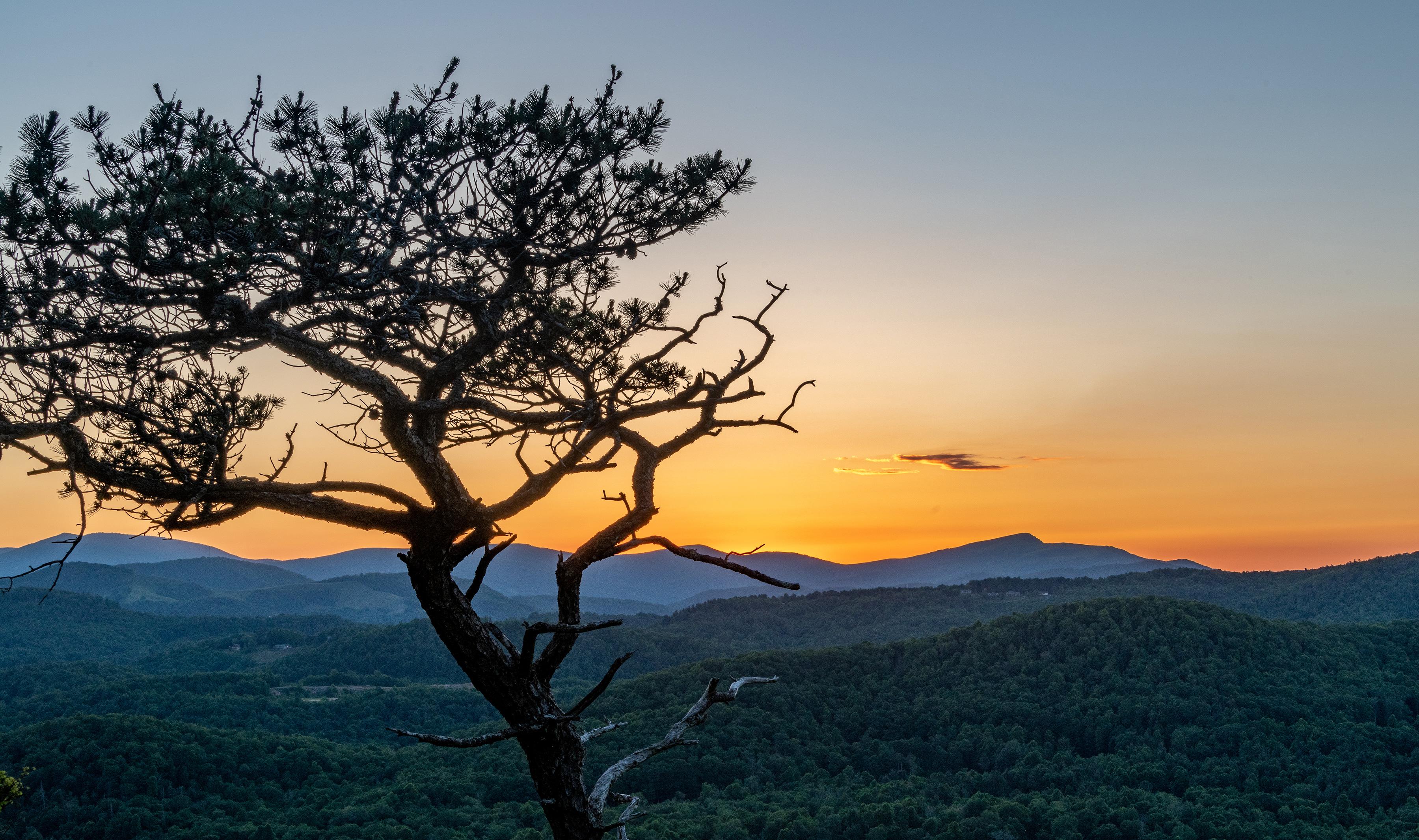
Guadalupe Mountains National Park is the kind of place that resets your sense of Texas. The approach is long, the horizon is spare, and then the land rises abruptly into pale limestone walls, deep canyons, high ridgelines, and four of the state’s highest peaks. This is not a park built around a quick scenic loop or a packed itinerary. It is a place to come for scale: to feel small beneath the remains of an ancient reef, to watch desert light sharpen and soften across the mountains, and to remember how much room a landscape can hold.
The first gift here is contrast. Desert and dunes sit within reach of mountains and canyons; dry, exposed ground gives way to higher elevations with noticeably cooler air. The park protects the world’s most extensive Permian fossil reef, but this is geology you do not need a textbook to feel. Look at the layered rock, the steep escarpments, and the sheer persistence of the terrain, and the landscape begins to read like a record of a much older sea.
Quick take
Save Guadalupe Mountains National Park for the trip when you want your national-park time to feel spacious rather than programmed: big views, long silences, serious wind, and a landscape that rewards looking up as much as looking ahead.
Come for the moment the desert turns vertical
Many parks announce themselves gradually. Guadalupe Mountains National Park has a more dramatic emotional arc: open highway, distant land, then mountains with real presence. The park sits on the north side of US Highway 62/180, roughly 110 miles east of El Paso, and that distance is part of the experience. Arriving after a long drive makes the mountains feel less like an attraction and more like a threshold.
Give the arrival some breathing room. Rather than treating the visitor center as a box to check before a hike, use it as the point where the trip changes pace. Check the official NPS page for current conditions, closures, water information, and route guidance, then let the rest of the day be guided by weather, daylight, and your actual energy level. In a landscape this exposed, a sensible plan is more useful than an ambitious one.
What to notice before you start moving
- The profile of the mountains: From a distance, the range has a hard-edged, almost improbable rise from the surrounding desert. It is worth simply standing still long enough to see how the light changes the rock.
- The evidence of an ancient sea: The park’s fossil reef story is not a museum fact tacked onto a view. The mountains themselves are the evidence—massive limestone formations shaped from a Permian-era reef system.
- The quiet between vehicles: This is a useful place to remember that silence is not emptiness. Wind, birds, shifting light, and the sound of your own footsteps can become the day’s soundtrack.
Choose your Guadalupe mood, not just your mileage
Guadalupe Mountains National Park works best when you choose the kind of day you want before choosing the biggest objective. A short, attentive outing can be deeply satisfying here, especially if wind, heat, or winter cold is part of the equation. A longer backcountry-minded day may be right for prepared hikers, but it should be chosen for the experience of being in the mountains—not for the satisfaction of collecting a summit or a statistic.
| If you want to feel… | Build the day around… | The tradeoff to accept |
|---|---|---|
| Grounded and unhurried | A scenic stop, a modest walk, and time to study the landscape | You will see less territory, but likely notice more |
| Challenged and expanded | A longer mountain outing with conservative turnaround plans | Wind, elevation, heat, and daylight can change the equation quickly |
| Awed by the night | A slower evening and time outdoors after sunset where permitted | Darkness adds beauty, but also makes preparation and route awareness essential |
The park’s strongest souvenir is perspective. Seek out a place where you can see both the rugged heights and the broad desert below. That visual relationship—the high country rising from an arid basin—is what makes this place feel so distinct. A photograph may catch the view, but the more lasting memory is often the bodily feeling of wind, distance, and exposed space.
Let the weather shape the story
Weather is not background information at Guadalupe Mountains National Park; it is part of the park’s character. The mountains are known for high winds year-round, with gusts that can reach 60 mph or more. A calm-looking forecast elsewhere does not erase the possibility of stronger conditions in exposed mountain terrain.
From May through October, daytime highs can range from the 80s into 100°F or higher, while lows may fall into the 40s through 60s. From November through April, temperatures are generally milder during the day—often in the 50s to 70s—but nights can drop into the 30s through 50s. Higher elevations above 8,000 feet can be about 10°F cooler than park headquarters, with added wind-chill.
Quick take
Pack for the mountain you may reach, not only the temperature at your car. Wind protection, layers, sun protection, water, and sturdy footwear are practical essentials; verify current conditions and trail guidance with the NPS before committing to a route.
A packing mindset that matches the park
- Wind layer: Bring a shell that can handle sustained gusts, not just a light breeze at a trailhead.
- Warm layer: Even warm-season trips can include cool mornings, evenings, or higher terrain.
- Sun and water plan: The desert setting and summer heat demand more attention than a casual stroll may suggest. Carry what you need rather than assuming services or water will be available along the way.
- Navigation and timing: Download or carry the information you need before heading out, and set a turnaround time that leaves room for slower travel in wind or changing weather.
Winter has its own kind of drama. Occasional light snow can fall in the mountains, though it seldom lasts more than a day. That fleeting contrast—white on pale rock, cold air in a Texas mountain landscape—can be memorable, but it is a reason to check conditions rather than a phenomenon to plan around.
Stay long enough for the sky to take over
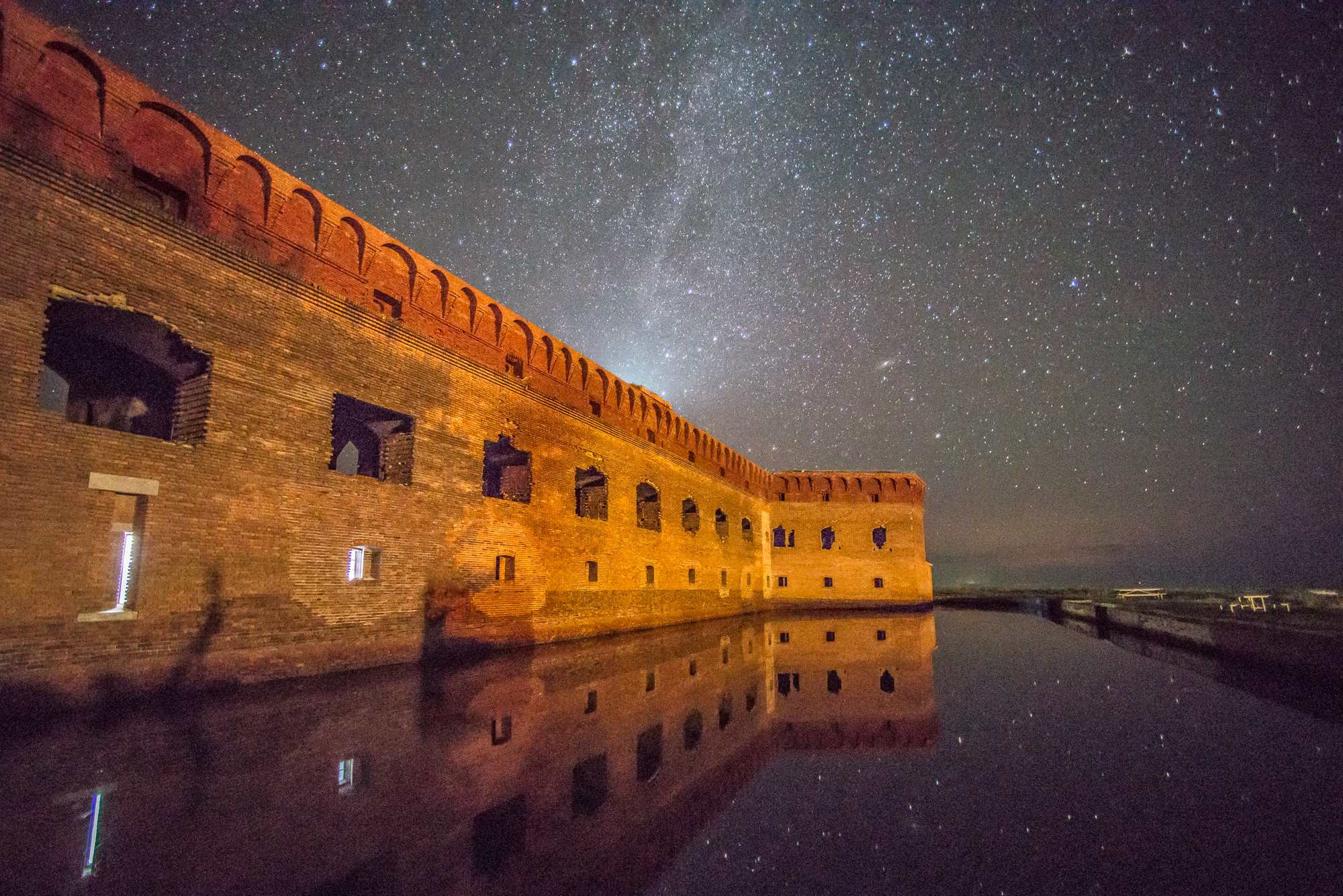
The park’s night skies belong on the itinerary, even if your version of night is simply stepping outside after dinner and looking up. Away from city glow, darkness changes the scale of the place again. The same mountains that feel monumental in daylight become silhouettes; the desert, so legible in sun, retreats into shadow; the sky becomes the largest feature in the view.
Do not rush the transition from day to night. One of the most rewarding moments may be the in-between: the last warm color leaving the rock, temperatures dropping, wind becoming more noticeable, and the first stars appearing over a landscape that has finally stopped asking for a photograph. Bring a layer, preserve your night vision, and follow all current park guidance about where you may be after dark.
The human story is part of the terrain
Guadalupe Mountains National Park holds more than natural history. The National Park Service describes it as a place shaped by stories of conflict, cooperation, and survival. That is an important lens for a visit: the terrain is not empty simply because it can look remote. Its mountains, passes, water sources, and travel corridors have mattered to people over time.
Leave room for context, not just scenery. Read the interpretive material available during your visit and use the official NPS site to learn what is currently accessible. A park like this becomes richer when you understand that its starkness has never meant simplicity; living, traveling, and enduring here have always required knowledge of the land.
Put Guadalupe on the list for the right reason
Save Guadalupe Mountains National Park if you are drawn to places that do not perform for you on demand. It will not hand you comfort, guaranteed calm weather, or an easy checklist. What it offers instead is rarer: a chance to stand beside an ancient reef lifted into mountains, feel the force of a high-desert wind, and watch the vastness of West Texas become personal.
Bring patience, preparation, and a willingness to look longer. Then save this park not as a pin for “someday,” but as a reminder that some landscapes are best experienced when you are ready to let the road be long, the sky be dark, and the mountains set the pace.
Before you go
- Review official alerts, closures, hours, and reservation requirements.
- Allow extra travel time and keep an alternate plan.
- Use official NPS information as the final authority.
Sources
- Guadalupe Mountains National Park — official National Park Service site — National Park Service, accessed 2026-10-29
Continue planning Guadalupe Mountains
Learn more about Guadalupe Mountains and find other helpful guides, trails, and trip information in the ParkQwest guide.
ParkQwest is a QwestLyfe Community.
QwestLyfe helps you track your lifelong bucket lists, collections, recipes, and the places you've been. Document your experiences, add notes and pictures, and share them with your friends — and the world.