
Dry Tortugas National Park: Best Time to Visit
Plan with current information. Conditions, roads, services, fees, and rules can change. Verify details with the National Park Service before your visit.
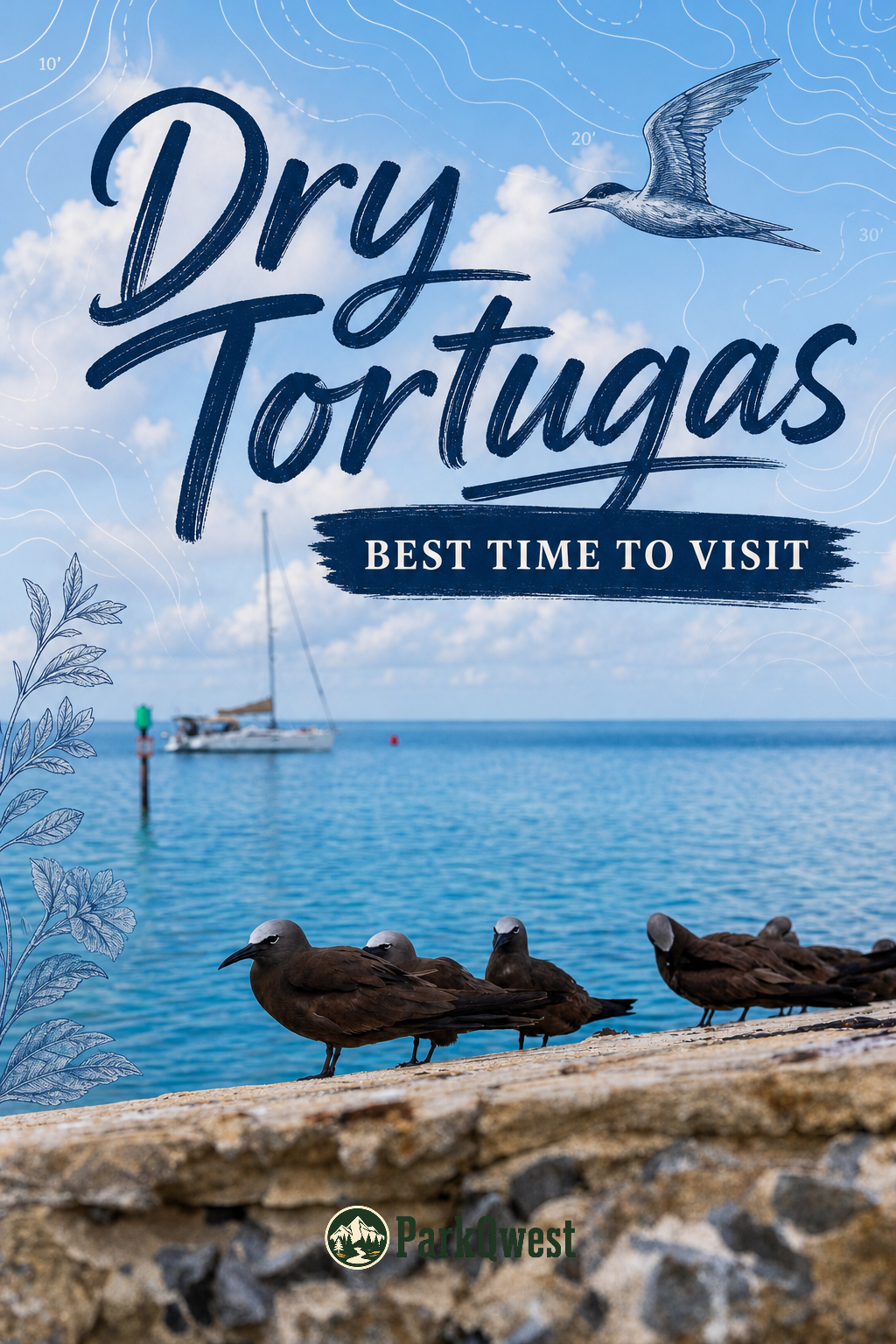
Dry Tortugas National Park is a destination where the season changes the trip more than the calendar might suggest. The park sits about 70 miles west of Key West, surrounded by open water, and it is reached only by the daily concession ferry, private or charter boat, or seaplane. That means your best time to go is not simply about finding warm weather: it is about balancing sea conditions, heat, daylight, crowd patterns, and the kind of day you want around Fort Jefferson, the islands, and the water.
The official NPS weather pattern is usefully simple. December through March is the windier, rougher-seas season; June through November is the tropical-storm season, with a higher chance of isolated storms. Spring and fall fall between those two big weather personalities, but each comes with its own practical compromises. Here is how to choose a season that fits your tolerance for motion, heat, uncertainty, and company.
Quick take
For the most broadly comfortable balance, aim for spring. Choose winter for milder, drier air if you can accept wind and potentially rough water; summer for the warmest water and longest-feeling days if heat and storms do not bother you; and fall for a quieter-feeling window if you are willing to watch tropical weather closely.
At a glance: the seasonal tradeoffs
| Season | Best for | Main tradeoff | What matters most |
|---|---|---|---|
| Spring | Balanced weather and outdoor time | Popular travel period | Earlier booking and midday sun |
| Summer | Warm-water activities and long daylight | Heat, humidity, isolated storms | Heat management and weather monitoring |
| Fall | Lower-demand timing and warm conditions | Tropical-weather uncertainty | Backup plans and cancellation terms |
| Winter | Milder, drier sightseeing weather | Windier days and rougher seas | Your comfort with boat travel |
Spring: the easiest all-around choice
Spring is the best fit for travelers who want a fairly even compromise rather than one standout condition. The Dry Tortugas remains subtropical year-round, but spring generally avoids the core winter pattern of windier, rougher seas while arriving before summer’s hottest, most humid stretch. For a day focused on touring Fort Jefferson, spending time outside, and getting in the water, that balance is meaningful.
Spring’s downside is not usually comfort; it is demand. This is a logical time for travelers escaping colder climates and for school-break trips, so transportation to a park accessible only by boat or seaplane can be a bigger planning constraint than the park itself. If spring is your choice, treat transportation as the anchor of the trip and verify current availability and terms directly with the operator and on the official NPS page.
Spring is especially good for:
- First-time visitors: You are less likely to feel that you chose an extreme-weather season.
- Mixed-interest groups: People who want both the fort and time in the water usually find the temperature balance easier than in midsummer.
- Visitors sensitive to heat: Conditions can still be warm, but the day is generally less punishing than the humid summer period.
Daylight is generous without feeling endless. That matters because the park’s visual appeal comes from moving between open-water views, the fort, island shoreline, and marine environments—not from racing through a long list of separate attractions. Bring sun protection anyway; a pleasant air temperature can still feel intense in exposed coastal settings.
Summer: best for warm water, worst for heat avoidance
Summer suits travelers whose priority is being in and around the water, not those hoping for a cool historic-site day. NPS describes summer as hot and humid, with the tropical storm season running from June through November. The water-centered character of Dry Tortugas National Park can be especially appealing then, but the fort and islands offer little reason to underestimate sun exposure.
Longer daylight is a genuine benefit in summer. It gives the day a less compressed feel, especially if your transportation schedule leaves limited time on the islands. But more daylight does not solve the heat equation: walking exposed areas, carrying water, and managing energy become more important than they would during milder months.
Quick take
Choose summer because you genuinely prefer hot, humid coastal conditions and warm-water time—not because it is automatically a lower-effort season. Isolated storms can affect a remote, boat-or-seaplane trip, so check conditions close to departure and understand your transportation provider’s current policy.
Summer works best if you can say yes to all three:
- Heat: You are comfortable spending several hours outdoors in temperatures that can fall within the park’s tropical 60°F-to-90°F range, with humidity adding to the strain.
- Weather uncertainty: You understand that tropical conditions can change plans, particularly from June through November.
- Water focus: Your ideal day includes snorkeling or other water time, not only fort exploration and photography.
Scenery does not become less compelling in summer—the blue water, low islands, Fort Jefferson, reefs, and marine life remain the central draw—but your pace may need to change. Plan the most exposed walking for when you have the most energy, and use shade and hydration proactively rather than waiting until the heat catches up.
Fall: a strategic choice for travelers comfortable with uncertainty
Fall can be a smart season for travelers who value a potentially less crowded-feeling trip more than they value weather certainty. It remains within the June-to-November tropical storm season, so the key decision is not whether fall is “good” or “bad.” It is whether you can tolerate the possibility that a storm forecast, wind, or operating decision alters an expensive, highly anticipated day.
Early fall tends to carry more summer-like heat and humidity; later fall can begin to feel less intense, though conditions vary from week to week. Daylight gradually shortens, which is not a problem by itself, but it does make the timing of your chosen access method feel more consequential. Verify current transportation schedules rather than assuming every option operates the same way throughout the year.
How to make fall a sensible choice
- Build in buffer time: Avoid making the Dry Tortugas your only possible day in Key West if your larger itinerary allows room for adjustment.
- Read the fine print: Before booking, confirm the operator’s current weather, cancellation, and rebooking policies.
- Separate warm from calm: Warm temperatures do not necessarily mean smooth seas or interruption-free access.
Fall is a particularly reasonable pick for repeat visitors to the Florida Keys, flexible independent travelers, and anyone who would rather trade some predictability for a chance at a less congested experience. It is less ideal for a rigid one-day itinerary, a milestone trip with no backup date, or travelers who are very prone to seasickness.
Winter: the comfort winner on land, with a boat-ride asterisk
Winter offers milder, drier conditions, but it is also the season NPS identifies as windier, with rougher seas. From December through March, travelers often appreciate the break from summer humidity while exploring Fort Jefferson and enjoying the islands’ open views. For people who dislike oppressive heat, that can be a major advantage.
The catch is central, not minor: reaching this remote park means crossing open water unless you choose a seaplane. A crisp, pleasant day on land can coincide with a ride that feels much less pleasant for motion-sensitive passengers. Do not choose winter solely based on the forecast in Key West; the marine forecast and operator updates matter more for the actual journey.
Winter is the right call for:
- Fort-focused visitors: You want more comfortable conditions for taking your time around the historic structure and exposed island areas.
- Heat-sensitive travelers: Milder, drier weather is a stronger priority than the warmest possible water.
- Travelers with a sea plan: You are comfortable with the possibility of wind, have considered your preferred access method, and will check conditions close to departure.
Winter daylight is shorter than in summer, so photography and sightseeing feel more dependent on the day’s transportation timing. The park’s broad water views can be striking in any season, but winter is not the season to assume glassy conditions simply because skies look clear from shore.
Choose your season by your non-negotiable
If you are torn, do not try to optimize every variable. Pick the condition you least want to compromise on. Choose spring for the most even overall experience; summer if warm-water time outweighs heat; fall if flexible timing outweighs forecast confidence; and winter if mild, dry air outweighs concern about wind and rougher water.
Finally, treat seasonal guidance as durable context, not a departure-day forecast. Dry Tortugas National Park is remote, mostly open water, and dependent on marine access. Before committing, check the official NPS website for current alerts and conditions, then confirm the latest details with the ferry, charter, private-boat, or seaplane provider you plan to use.
Before you go
- Review official alerts, closures, hours, and reservation requirements.
- Allow extra travel time and keep an alternate plan.
- Use official NPS information as the final authority.
Sources
- Dry Tortugas National Park — official National Park Service site — National Park Service, accessed 2026-10-29
Continue planning Dry Tortugas
Learn more about Dry Tortugas and find other helpful guides, trails, and trip information in the ParkQwest guide.
ParkQwest is a QwestLyfe Community.
QwestLyfe helps you track your lifelong bucket lists, collections, recipes, and the places you've been. Document your experiences, add notes and pictures, and share them with your friends — and the world.