Guadalupe Mountains National Park: Best Time to Visit
Plan with current information. Conditions, roads, services, fees, and rules can change. Verify details with the National Park Service before your visit.
The best time to visit Guadalupe Mountains National Park depends less on finding a “perfect” month and more on deciding what you can tolerate: wind, temperature swings, heat, short winter days, or a busier-feeling trailhead on a pleasant weekend. This is a park of desert, canyons, high country, dunes, and exposed vistas—not a place where one forecast at the visitor center tells the whole story. The most useful rule is to plan around the kind of day you want, then build in enough margin for the Guadalupe Mountains’ year-round wind.
At a Glance: Which Season Fits Your Trip?
| Season | Best For | Main Tradeoff |
|---|---|---|
| Spring | Longer hiking days and generally moderate temperatures | Wind can be forceful; comfortable weather can draw more weekend visitors |
| Summer | Early starts, high-country temperature relief, dark-sky evenings | Desert heat and the hardest margin for error on exposed outings |
| Fall | Balanced temperatures, clear hiking priorities, cooler nights | Wind remains a factor, and good-weather dates may feel more popular |
| Winter | Quiet-minded trips, crisp air, desert scenery, lower-temperature walking | Short daylight, cold wind-chill, and occasional light snow |
Quick take
Choose spring or fall if hiking is the center of your trip. Choose summer only if you are comfortable planning around heat and starting early. Choose winter if cooler temperatures and a more stripped-down, weather-aware park experience appeal to you.
Spring: The Best All-Around Hiking Window—If You Respect the Wind
Spring is the easiest season to recommend for visitors whose priority is time on foot. It offers longer daylight than winter and avoids the most punishing part of the hot season. Under the park’s general weather pattern, November through April tends to bring highs in the 50s to 70s and lows in the 30s to 50s; early spring often still feels closer to that cool-season range, while later spring begins the transition toward heat.
The catch is that pleasant thermometer readings can hide an exposed-day problem. Guadalupe Mountains National Park is known for high winds throughout the year, with gusts that can reach 60 mph or more. On a ridge, overlook, canyon approach, or any route with little shelter, wind can turn a mild day into one that feels cold, tiring, and less enjoyable than the forecast suggests.
Who spring suits
- First-time hikers: You have a better chance of comfortable walking temperatures than in summer, with useful daylight for a measured pace.
- Visitors combining desert and higher elevations: Spring gives you more flexibility to move between warmer low areas and cooler mountain terrain.
- Photographers: Seasonal light can be appealing, but wind matters if your plan involves steady tripod work or exposed viewpoints.
Spring’s crowd tradeoff is more about timing than a guaranteed park-wide rush. Comfortable-weather weekends and school-break periods can concentrate visitors around the most obvious access points and short walks. If having visual space matters more than ideal temperatures, a weekday or a less conventionally convenient date may be the better spring choice. Check current conditions and any advisories on the official NPS page before locking in a high-exposure hike.
Summer: Viable for Early Risers, Poor for Casual Midday Plans
Summer is not automatically a bad time to visit, but it demands the most intentional daily schedule. From May through October, the park reports highs ranging from 80°F to 100°F or higher, while lows can fall in the 40s to 60s. That broad range is the point: a summer day can begin comfortably, turn severe in exposed desert terrain, then cool sharply after sunset.
The higher parts of the park can offer meaningful temperature relief. NPS notes that elevations above 8,000 feet are about 10°F cooler than headquarters, though that cooler air comes with corresponding wind-chill. In practice, “head for elevation” is not a complete heat strategy if a windy forecast makes the upper terrain unpleasant or unsafe for your group’s experience level.
How to make a summer trip work
- Make morning your main activity window: Treat the coolest part of the day as your hiking time, not merely a warm-up before a long midday outing.
- Keep the middle of the day low-commitment: Plan a scenic drive, a rest period, or a short stop rather than an exposed route that leaves little room to adjust.
- Use evening deliberately: The park’s night skies are part of its appeal, but bring layers; summer lows can be much cooler than daytime heat suggests.
- Read the forecast as a wind-and-temperature forecast: A hot day with strong gusts requires different clothing and decision-making than a hot, still day.
Summer reality check
If your ideal national-park day means setting out late, lingering at overlooks, and deciding on a long hike after lunch, save Guadalupe Mountains for a cooler season. Summer works best for visitors who enjoy a dawn-to-midmorning rhythm and can be content with a shorter daytime itinerary.
Fall: The Strongest Choice for a Balanced, Purposeful Trip
Fall is often the clearest answer for travelers who want hiking conditions without spring’s seasonal transition toward heat. As the park moves back into its generally milder November-to-April pattern, daytime temperatures become more forgiving and nights cool down. The exact timing of that shift varies, so an early-fall trip can still carry summer-like heat while later fall may require a warmer layer from the start.
Fall’s real advantage is decision-making simplicity. You can usually build a day around a primary hike, scenic stops, and a sunset or night-sky plan without the same heat-management burden that shapes summer. Wind does not disappear—this is a year-round condition—but cooler-season clothing systems are easier to adapt when gusts rise.
Choose fall if you want to prioritize one big day outside
Fall suits hikers who want a longer outing without racing the morning heat, couples planning a scenic weekend with room for both walking and stargazing, and travelers arriving from El Paso, Van Horn, or Carlsbad who want weather that is less likely to dictate every hour. The park sits on the north side of US Highway 62/180, and its remote setting makes a well-paced day more valuable than an overpacked one.
The tradeoff is that other people may reach the same conclusion. Rather than assuming a specific crowd level, expect the most appealing fall weekends to feel less solitary than a cold or hot weekday. If your trip depends on quiet trail time, choose dates based on flexibility rather than chasing the most conventionally pleasant forecast.
Winter: Best for Cool-Weather Walkers and Visitors Who Like a Sharper Edge
Winter offers the coolest daytime conditions and the most obvious trade: less daylight for more atmospheric terrain. NPS describes the November-to-April period as generally mild, with highs in the 50s to 70s and lows in the 30s to 50s. That can make lower-elevation daytime exploration appealing, especially for visitors who find summer desert heat draining.
But winter in the Guadalupe Mountains should not be planned as uniformly mild. Occasional light snow falls in the mountains and usually does not last more than a day, while higher elevations are cooler than headquarters and can feel substantially colder in wind. A blue-sky morning can still call for insulated layers, gloves, and a conservative turnaround time.
What winter does especially well
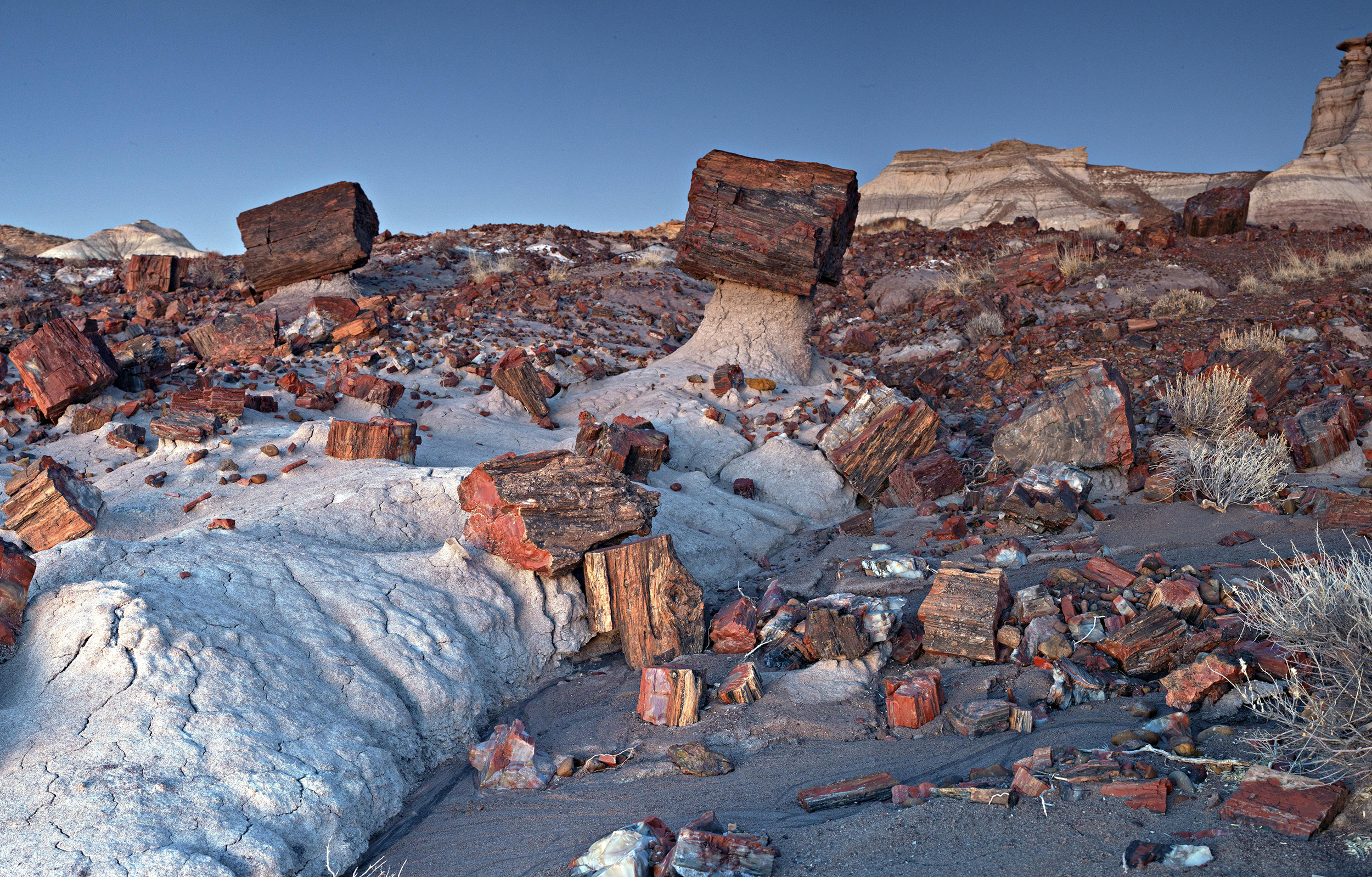
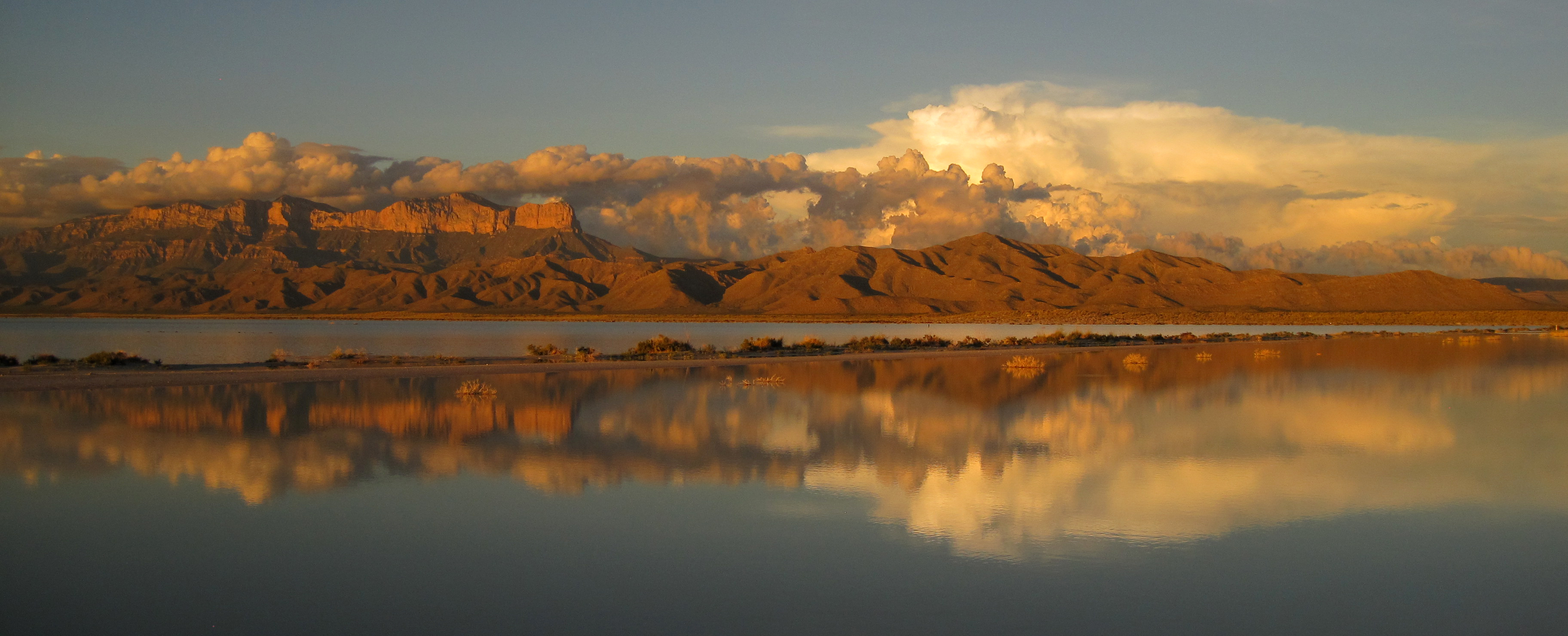
- Desert contrast: Cooler air can make the park’s dunes, fossil-reef landscape, and broad mountain views feel especially crisp and distinct.
- Low-heat walking: You can consider daytime routes that would be much less appealing during hot months, while still monitoring wind exposure.
- Night-sky planning: Earlier darkness gives stargazers more evening, provided they are prepared for cold temperatures after sunset.
Winter is less suitable for travelers who need a long, leisurely daylight schedule. Start earlier than you think, keep a closer eye on the clock, and avoid treating a snowy or high-wind day as an inconvenience to push through. Check the official NPS page shortly before departure for current weather, road or access information, and any active alerts.
How to Choose Your Season in One Minute
If your trip has one non-negotiable priority, let that decide the calendar. Choose spring for the broadest mix of daylight and hiking comfort; choose summer for early-morning activity, warm desert conditions, and evening skies; choose fall for the most balanced all-day itinerary; and choose winter for cool-weather scenery, shorter days, and a quieter-feeling pace.
Whatever season you pick, plan for the park’s defining variable: wind. At Guadalupe Mountains National Park, temperature is only half the forecast. A trip feels successful when the season matches your tolerance for exposure, not when the calendar says conditions should be ideal.
Before you go
- Review official alerts, closures, hours, and reservation requirements.
- Allow extra travel time and keep an alternate plan.
- Use official NPS information as the final authority.
Sources
- Guadalupe Mountains National Park — official National Park Service site — National Park Service, accessed 2026-10-29
Continue planning Guadalupe Mountains
Learn more about Guadalupe Mountains and find other helpful guides, trails, and trip information in the ParkQwest guide.
ParkQwest is a QwestLyfe Community.
QwestLyfe helps you track your lifelong bucket lists, collections, recipes, and the places you've been. Document your experiences, add notes and pictures, and share them with your friends — and the world.