Death Valley National Park: Best Time to Visit
Plan with current information. Conditions, roads, services, fees, and rules can change. Verify details with the National Park Service before your visit.
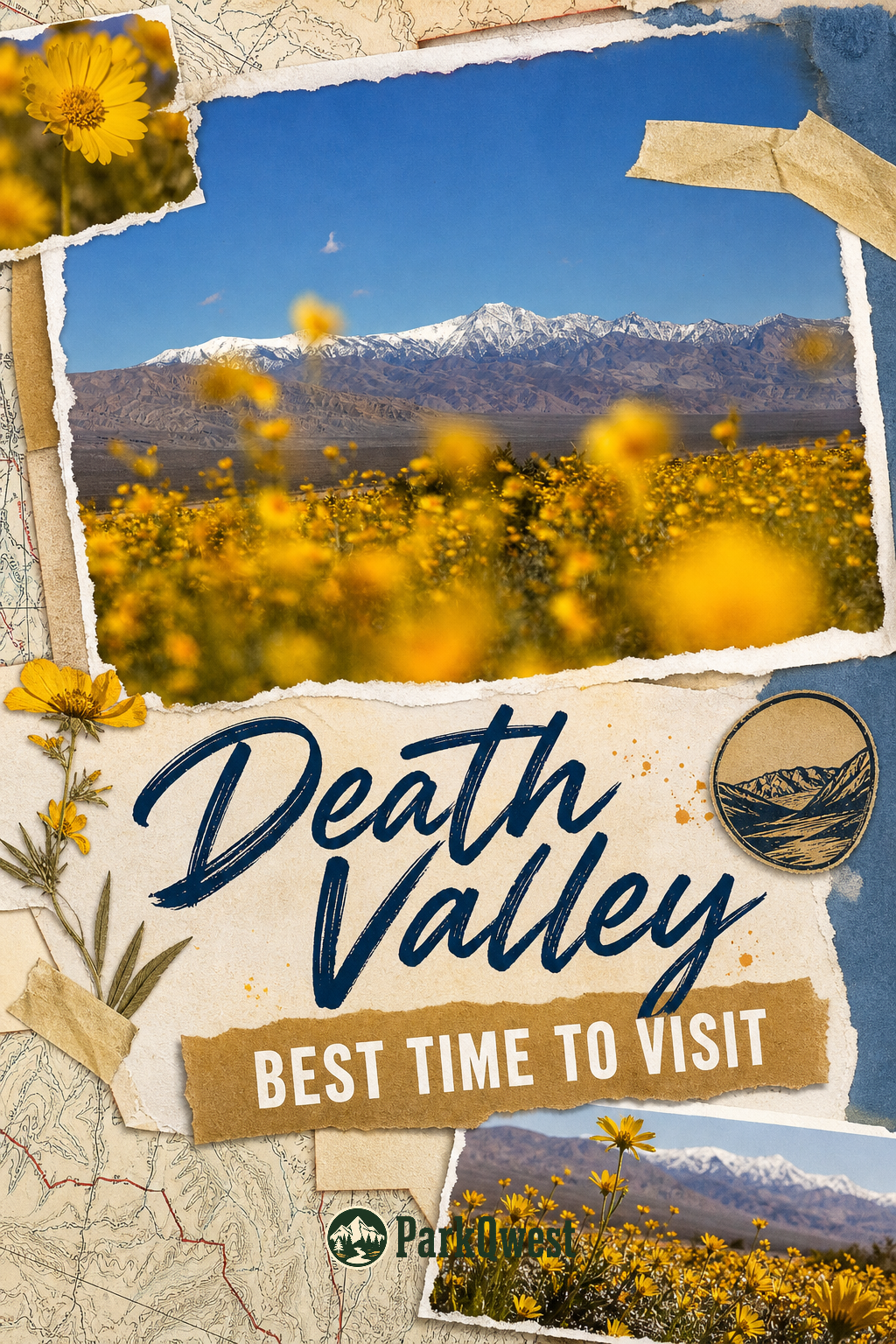
Death Valley National Park is not a “pick any month” destination. The same below-sea-level basin that makes the park so visually stark also creates radically different travel days across the year: winter can bring snow-capped peaks above cool valley floors, spring can combine sun with wildflower potential, summer heat can dominate every decision, and late fall restores comfortable daylight exploration. The best time is less about finding a universally perfect forecast and more about choosing the version of Death Valley that fits your tolerance for heat, crowds, changing access, and short versus long days.
At a glance: which season fits your trip?
| Season | Best for | Main tradeoff |
|---|---|---|
| Spring | Sunny sightseeing, longer walks, possible wildflowers | Highest demand and increasingly hot conditions later in the season |
| Summer | Heat-focused travelers, early-morning photography, very quiet landscapes | Record heat can sharply limit safe outdoor time |
| Fall | Clear skies, warm exploration, fewer spring-style crowds | Early fall may still feel like summer; comfortable conditions arrive later |
| Winter | Cooler valley days, low-angle light, mountain snow contrast | Cold nights, shorter daylight, and occasional rain-related changes |
Quick take
Choose spring for the classic first look at Death Valley, late fall for a calmer warm-weather trip, winter for cooler days and the park’s strongest light-and-snow contrasts, and summer only if extreme heat is an intentional part of the experience rather than an inconvenience.
Spring: the broadest appeal, with the biggest demand
Spring is Death Valley’s most popular season for a reason. The National Park Service describes it as warm and sunny, with the possibility of spring wildflowers. This is the season for travelers who want substantial time outside without making the day entirely about avoiding heat, and for photographers who prefer longer daylight than winter offers.
What spring feels like
Early spring generally gives you the strongest balance between comfortable daytime exploration and useful daylight. As the season progresses, the valley begins its fast move toward summer conditions; the NPS notes that by May it can already be scorching hot. That makes the calendar important: “spring” is not one uniform weather category in Death Valley.
Wildflowers are a possibility, not a booking guarantee. Rare rainstorms can produce broad displays, but bloom timing, location, and intensity depend on weather patterns that cannot be promised months ahead. Plan a spring visit because you value the season’s light and temperatures; treat flowers as a bonus worth checking shortly before departure on the official NPS page.
Spring is best for...
- First-time visitors: You want the widest margin for sightseeing and outdoor stops without winter’s cold nights or summer’s severe heat.
- Landscape-focused travelers: Clear, sunny conditions and the chance of green or floral contrast can soften the normally austere basin.
- Trips with a flexible pace: You can start early on warmer days and shift the longest exposed activities away from the afternoon.
The spring compromise is straightforward: the same conditions that make it attractive also make it the season many other visitors choose. If solitude matters as much as weather, aim for less obvious travel dates and keep expectations realistic around popular viewing areas.
Summer: choose it for the extreme, not despite it
Summer in Death Valley starts early and is not merely “warm.” This is a park known for record summer heat, and the NPS specifically warns that the valley can be scorching by May. Summer visitors should think in terms of heat management rather than a normal all-day national park itinerary.
The appeal is real for the right traveler: long daylight, stark dry visibility, quiet roads and overlooks at certain times, and the powerful experience of seeing a landscape at its climatic extreme. But the heat changes what is practical. A short exposed outing can become the day’s central decision, while sunrise, early morning, and the final light of evening become more useful than the broad middle of the day.
Quick take
In summer, measure your plan by safe outdoor windows, not by how many stops fit on a map. If your ideal trip involves long daytime walks, lingering at viewpoints, or frequent unshaded exploration, another season will likely deliver more of the experience you want.
Who should consider summer?
- Heat-curious travelers: You understand that the extreme climate is the point of the visit and are willing to build the day around it.
- Photography-first travelers: You are comfortable concentrating outdoor work in the coolest available hours and using midday selectively.
- Travelers with fixed summer schedules: You can still experience the park, but should prioritize conservative timing over ambitious activity lists.
The summer tradeoff is not just comfort; it is flexibility. Heat can narrow options quickly, especially in the low basin. Before leaving, check current NPS alerts and conditions for weather-related guidance, road status, and any changes affecting where you can safely go that day.
Fall: the patient traveler’s warm-weather window
Autumn arrives late in Death Valley. According to the NPS, late October brings warm but pleasant temperatures and generally clear skies. That wording matters: an early-fall visit may still carry substantial summer character, while later fall is when many travelers get the warm, open-air trip they expected.
For a trip built around clean light, dry-looking landscapes, and more room to move at your own pace, late fall is often a strong answer. The valley has shed the most punishing part of summer, but days can still feel generous enough for scenic stops and extended time outdoors.
Why late fall can be the practical sweet spot
Spring has the flower possibility and established popularity. Winter has cooler days and dramatic mountain contrast. Late fall sits between them with fewer seasonal expectations to manage: you are not chasing a bloom, not planning around the most severe heat, and not counting on snow scenery to define the trip.
This is the season for travelers who prefer dependable-feeling desert conditions over a special event. Generally clear skies suit wide views and night-sky ambitions, though sky conditions are always variable and should be checked close to travel.
- Pick early fall if: your schedule is fixed and you can accept lingering heat as part of the plan.
- Pick late October or later if: “warm but pleasant” is the goal and you want more comfortable daytime wandering.
- Pick fall over spring if: you value clear-sky desert atmosphere more than possible wildflower displays.
Winter: cooler valley days and the park’s most graphic contrasts
Winter reveals a different Death Valley than many people imagine. The NPS describes cool days, chilly nights, occasional rainstorms, snow capping high peaks, and low-angled winter light that is especially beautiful for exploring the valley. The combination makes winter less about desert heat and more about contrast: pale basin floors, long shadows, dark mountain walls, and bright snow at elevation.
Winter is particularly well suited to travelers who would rather layer up after sunset than organize the entire day around escaping heat. Daytime valley exploration can feel more approachable, while the cold after dark encourages a more deliberate rhythm: make good use of daylight, then have a plan for the evening rather than assuming summer-style comfort continues.
The winter tradeoffs worth accepting
Shorter daylight changes the pacing. You may not fit as many far-apart stops into one day as you could in spring or summer, so build around a few priorities instead of treating the park like a checklist. Rainstorms are rare but meaningful in this dry landscape; when they occur, conditions and access can change.
Snow on high peaks is a visual gift, not a promise of easy high-elevation travel. If your plans involve routes beyond the main valley or depend on particular access, verify current conditions with the NPS shortly before departure rather than assuming winter scenery and winter driving conditions are separate issues.
How to choose your season in five honest questions
- Do you want to be outside through the middle of the day? Start with winter, spring, or late fall. Summer is a poor fit if midday outdoor time is central to your trip.
- Are wildflowers the main draw? Choose spring, but do not select dates solely around an assumed bloom. Check current reports close to travel.
- Would chilly nights undermine the trip? Favor spring or late fall over winter, while remembering that desert temperatures can still drop after sunset in any season.
- Do crowds bother you more than heat? Late fall may offer the best balance; summer can be quieter but demands the greatest heat tolerance.
- Is the dramatic contrast of snow above the desert part of the dream? Winter is your strongest match, with the understanding that weather can also affect access.
The simplest answer is to match the season to your preferred daily rhythm. Pick spring for broad appeal and flower potential, late fall for warm clear-sky exploration, winter for cool-weather light and mountain contrast, and summer only when you are prepared to let the desert’s extreme heat set the agenda. For changing conditions, entrance considerations, alerts, and current weather guidance, check the official Death Valley National Park page before finalizing your dates.
Before you go
- Review official alerts, closures, hours, and reservation requirements.
- Allow extra travel time and keep an alternate plan.
- Use official NPS information as the final authority.
Sources
- Death Valley National Park — official National Park Service site — National Park Service, accessed 2026-10-14
Continue planning Death Valley
Learn more about Death Valley and find other helpful guides, trails, and trip information in the ParkQwest guide.
ParkQwest is a QwestLyfe Community.
QwestLyfe helps you track your lifelong bucket lists, collections, recipes, and the places you've been. Document your experiences, add notes and pictures, and share them with your friends — and the world.