
Shenandoah National Park: Park Inspiration
Plan with current information. Conditions, roads, services, fees, and rules can change. Verify details with the National Park Service before your visit.

Shenandoah National Park is the kind of place that changes scale as you move through it. From the Blue Ridge Mountains, the wider world can feel very far away: valleys fade into blue layers, woods absorb the sound of traffic, and a short walk can trade a busy overlook for a hollow filled with birdsong and moving water. Yet the park begins only about 75 miles from Washington, D.C. That contrast is part of its pull. Shenandoah is not a far-flung expedition; it is a chance to step out of a crowded routine and into 200,000-plus acres of forest, wildflower fields, waterfalls, and long mountain views.
This is a park worth saving not because every hour needs to be packed with landmarks, but because it rewards attention. A good Shenandoah day may hold a grand vista, yes, but it may also be a wet leaf shining on the trail, a deer disappearing into the understory, a sudden cool pocket of air in the woods, or the low, steady sound of water below a cascade. The most lasting visits usually make room for both.
Quick take
Come to Shenandoah for the rhythm of a mountain day: begin with big views, spend the middle hours under the trees, and leave enough unstructured time for weather, wildlife, and the small scenes that do not fit an itinerary.
Why Shenandoah earns a place on a lifelong list
Some national parks ask for weeks of preparation, elaborate transportation, or a major physical push before they reveal themselves. Shenandoah offers a more immediate kind of renewal. Its mountain setting gives visitors access to elevated views and deep woods in the same day, which makes it especially compelling for people who want a meaningful nature escape without building an entire trip around logistics.
That does not make the park “easy” in every sense. Mountain weather can change quickly, humid summer conditions can make even a modest outing feel demanding, and a 105-mile-long park requires decisions about where to enter and how much ground to cover. But its range is an advantage: you can shape a visit around a scenic pause, a waterfall-focused walk, a longer hike, wildlife watching, or simply the pleasure of driving through a protected mountain landscape.
The emotional arc to look for
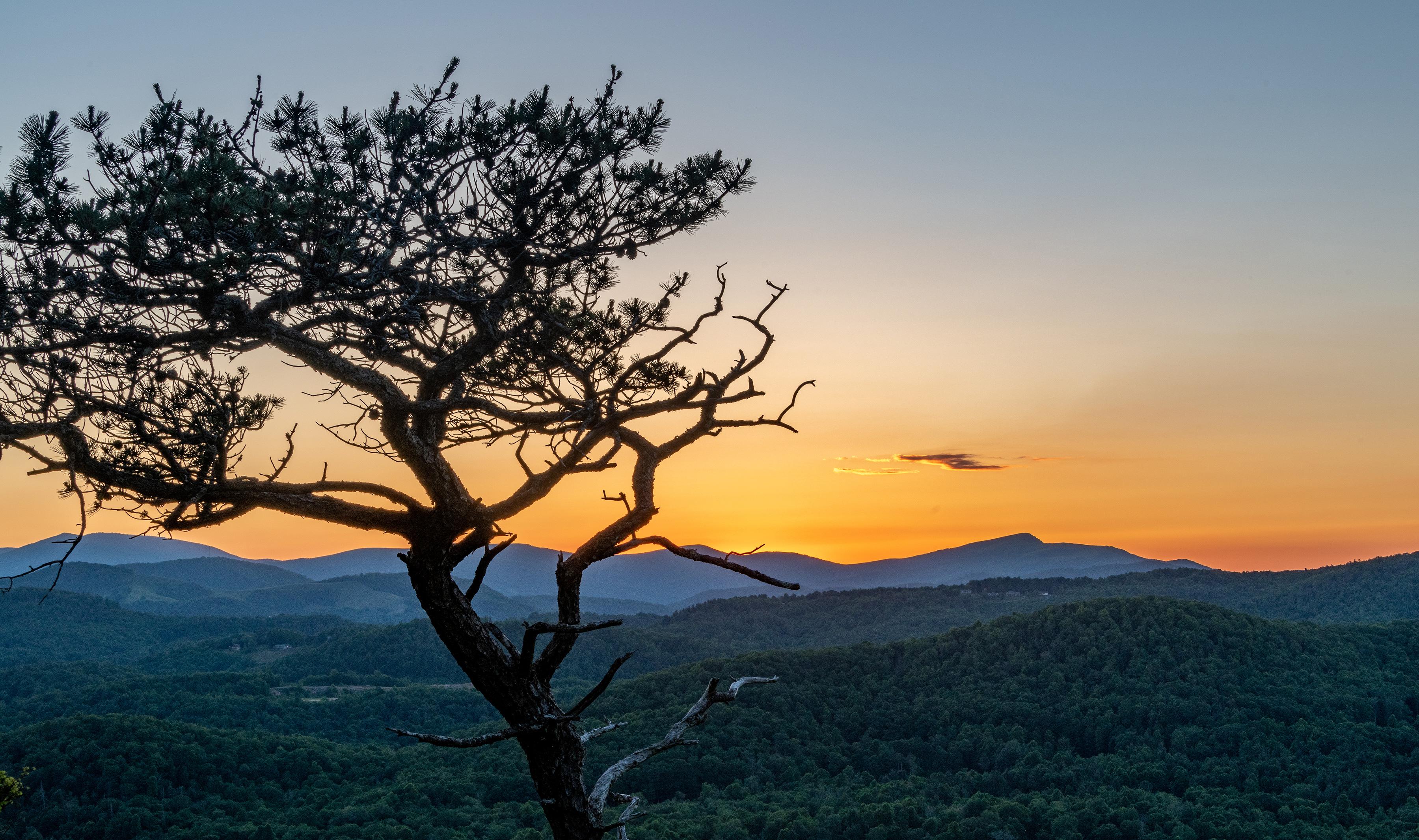
Try not to judge Shenandoah only by the first overlook or the biggest view. The park often works best in layers. There is the initial lift of reaching the ridge, followed by the quieter middle: damp earth, tall trunks, songbirds, a bend in the trail that opens onto a patch of sky. By late day, when the valleys soften in changing light and the forest grows quieter, the experience can feel less like checking off scenery and more like returning to your own pace.
- For perspective: seek an open viewpoint where you can watch the Blue Ridge terrain unfold rather than rushing from one photo stop to the next.
- For immersion: choose time in a wooded hollow, especially if the sound of water or rain is part of the day.
- For wonder: slow down in wildflower season, when a field or roadside edge can hold as much interest as a broad panorama.
- For quiet: build in a period with no destination beyond listening, looking, and noticing what the forest is doing around you.
Choose the season for the feeling you want
Shenandoah has four distinct seasons, and the same landscape can feel dramatically different from one trip to the next. There is no universally “best” season; there is only the version of the park that fits your appetite for color, solitude, warmth, snow, or changing weather. The mountain is usually about 10°F cooler than the valley below, so a forecast from a nearby town may not describe the conditions where you will actually be walking.
| Season | What it feels like | The practical tradeoff |
|---|---|---|
| Spring | Mild temperatures, rain, fresh green growth, and wildflowers. | Bring rain-ready layers and welcome muddy or damp conditions as part of the experience. |
| Summer | Lush forest and long green days. | Heat and humidity can be serious; earlier starts and a less ambitious pace are often wiser. |
| Fall | Cooler air and the park’s celebrated foliage season. | Expect strong interest in peak-color periods and plan your day around patience, not speed. |
| Winter | A stripped-back, quieter mountain landscape with possible snow and ice. | Conditions can be more consequential; verify current access and prepare for cold-weather travel. |
A useful way to decide: choose spring if you want freshness and moving water, summer if dense green forest is your priority, fall if color and crispness matter most, and winter if you are drawn to a more austere mountain mood. In every season, check the official forecast for your specific section of the park rather than assuming conditions will be uniform from north to south.
Plan for a day that has room to breathe
Because Shenandoah stretches roughly 100 miles, trying to “do the whole park” can flatten the experience into a long transit day. A better plan is to choose one area, one main intention, and one backup option. That structure still leaves space for a foggy morning, a rain shower, a full overlook, or the simple desire to stay longer in a place that feels right.
Start with an entrance, not an address
The park has four entrances: Front Royal in the north, Thornton Gap, Swift Run Gap, and Rockfish Gap at the southern end, where Shenandoah meets the northern entrance to the Blue Ridge Parkway. The NPS specifically notes that the administrative-office address is not the park itself, and GPS can be unreliable for getting to the correct entrance.
Before departure, use the official NPS information to confirm the entrance and route that match your plans. This small step matters more than it sounds: a wrong destination can turn a restorative mountain morning into an avoidable detour.
- Pick your zone: choose the northern, central, or southern portion of the park based on your starting point and the time you actually have.
- Choose one anchor experience: a waterfall, a viewpoint, a wildflower walk, or a longer forest outing gives the day a purpose.
- Add one low-stakes companion moment: an unhurried overlook stop, a picnic, or a short walk keeps the plan satisfying if conditions alter the main goal.
- Check current NPS updates: verify weather, road conditions, trail information, and any operational changes before leaving home.
Quick take
The most useful Shenandoah itinerary is not the longest one. Select a single section of this 105-mile park, dress for mountain conditions, and protect time for a view plus time beneath the forest canopy.
Moments worth seeking beyond the overlook
There is nothing wrong with wanting the sweeping valley view; it is one of Shenandoah’s defining pleasures. But the scenes you remember may be the ones that ask you to stop looking for grandeur. Stand still long enough to hear songbirds change positions in the trees. Look toward the edge of a meadow rather than only across it. Watch for the subtle movement that reveals a deer, and remember that black bears live in these protected lands too—wildlife is never a guarantee, and distance is always the respectful choice.
Waterfalls are another invitation to slow down. Their appeal is not just visual: after rain, the sound can fill a wooded hollow and shift the whole atmosphere of a walk. If wet weather is in the forecast, do not automatically write off the day. With appropriate clothing, a rainy Shenandoah visit can trade distant views for saturated greens, active water, and a more intimate sense of the forest.
Pack for the park’s real personality
- Layers: mountain temperatures are commonly cooler than the valley, and conditions can vary across the park.
- Rain protection: spring rain and fast-changing mountain weather make a waterproof layer useful well beyond spring.
- Water and food: carry what you need for your planned outing rather than assuming your next stop will be close.
- Navigation backup: do not rely solely on GPS; review official directions and save essential information before entering the park.
- A flexible mindset: fog can hide a vista, but it can also make a forest walk feel hushed and memorable.
Save Shenandoah for the day you need a wider horizon
Shenandoah National Park belongs on a lifelong list because it can meet you in different seasons of life. It can be a first mountain park, a rainy-day reset, a leaf-season tradition, a family pause from the city, or a reason to take one more walk before heading home. Its power is not only in spectacle, though it has plenty of that. It is in the rare feeling of being close enough to return to—and large enough that each return can reveal a different corner, weather pattern, and version of yourself.
Save Shenandoah for a trip when you want both a view and a feeling of space. Then use the official NPS page to check current conditions, choose an entrance with care, and give the park enough time to become more than a photograph.
Before you go
- Review official alerts, closures, hours, and reservation requirements.
- Allow extra travel time and keep an alternate plan.
- Use official NPS information as the final authority.
Sources
- Shenandoah National Park — official National Park Service site — National Park Service, accessed 2026-09-17
Continue planning Shenandoah
Learn more about Shenandoah and find other helpful guides, trails, and trip information in the ParkQwest guide.
ParkQwest is a QwestLyfe Community.
QwestLyfe helps you track your lifelong bucket lists, collections, recipes, and the places you've been. Document your experiences, add notes and pictures, and share them with your friends — and the world.