Rocky Mountain National Park: Packing Guide
Plan with current information. Conditions, roads, services, fees, and rules can change. Verify details with the National Park Service before your visit.
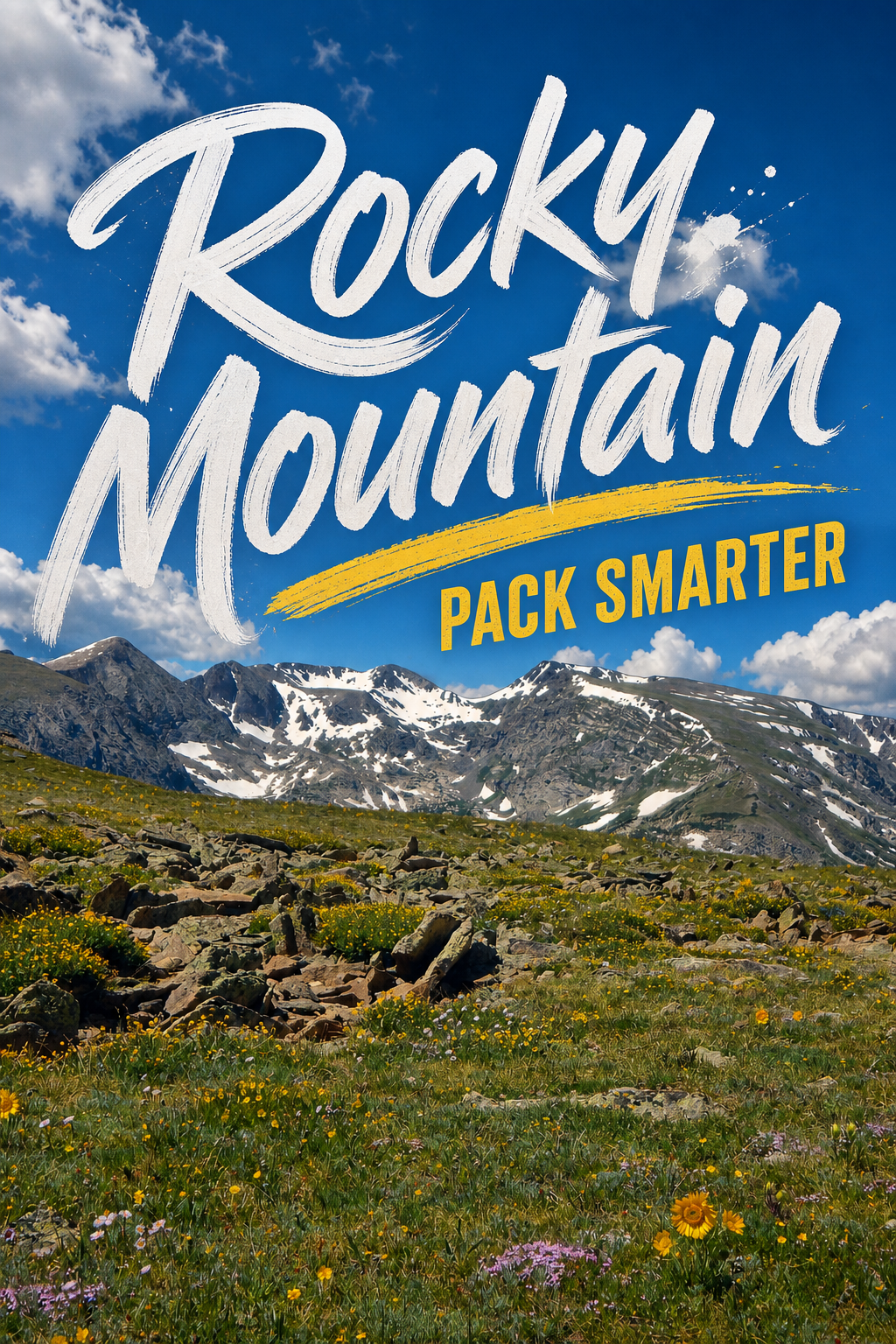
Rocky Mountain National Park is a “pack for three seasons” park, even when your plan is only a scenic drive, a lake walk, or a few hours of wildlife viewing. The park rises from about 7,800 feet to peaks above 14,000 feet, and that elevation range changes the packing math quickly: mornings can feel cold, midday sun can be intense, wind can turn a pleasant stop into a chilly one, and weather can shift during the same outing. Build your kit around removable layers, reliable sun protection, water capacity, and the ability to spend longer than expected away from your vehicle.
Quick take
For Rocky Mountain National Park, the most useful packing upgrade is not a bigger suitcase—it is a daypack that always holds a warm layer, rain-and-wind shell, water, food, sun protection, and a basic emergency buffer. Pack for the elevation you may reach, not just the temperature in town.
Clothing: Build a Layering System, Not a Single Outfit
Choose layers you can add or remove without changing your whole day. Rocky Mountain National Park includes montane meadows, alpine lakes, and high mountain terrain, so the temperature where you park may not match the temperature at an overlook or trail destination. A heavy winter coat can be useful in cold conditions, but for many visits, several lighter pieces are more practical because they handle sun, wind, exertion, and sudden cool-downs better.
- Base layer: Bring a moisture-wicking shirt, ideally synthetic or wool. Cotton feels comfortable at the start of a walk but stays damp after sweat or rain, which is especially unpleasant when temperatures drop or wind picks up.
- Warm midlayer: Pack a fleece, lightweight insulated jacket, or wool sweater. Even visitors who do not plan a long hike often appreciate one while standing still for wildlife viewing, eating lunch, or waiting through changing conditions.
- Waterproof wind shell: A hooded rain jacket earns its place in every season. In this park, it is as valuable for blocking wind at higher elevations as it is for handling rain.
- Trail pants or flexible hiking pants: Quick-drying pants are a safer all-day choice than jeans if you expect variable weather or hiking. Shorts can work in warm weather, but pair them with a packable layer and keep an eye on exposure from sun, wind, and brush.
- Warm accessories: A beanie and lightweight gloves take little room and make a surprisingly large difference during cold mornings, windy stops, and shoulder-season visits.
What Changes by Season
| When you visit | Packing priority | Useful adjustment |
|---|---|---|
| Spring and fall | Warm layers and traction awareness | Carry gloves, a warm hat, and footwear suited to wet or potentially slick ground. |
| Summer | Sun, storms, and temperature swings | Start with breathable clothing, but keep a shell and insulation in the pack. |
| Winter conditions | Insulation, dry hands, and secure footing | Use a warmer layering system and verify current road, trail, and weather conditions before leaving. |
Footwear: Match Your Shoes to Your Actual Plan
Use supportive footwear whenever your day includes uneven ground, wet edges, snow, or more than a brief paved stop. A comfortable walking shoe may be enough for a short, dry, developed-area visit, but trail-running shoes or hiking boots are a better default for exploring Rocky’s more variable terrain. The goal is not necessarily a tall boot; it is stable footing, decent tread, and a shoe that will remain comfortable after several hours.
- For scenic stops and easy walks: Wear closed-toe walking shoes with traction. Avoid smooth-soled casual sneakers if rain, mud, or lingering snow are possible.
- For longer hikes: Choose broken-in trail shoes or hiking boots, plus moisture-wicking socks. Blisters are more likely when new footwear, steep terrain, and high elevation arrive together.
- For cold or snowy conditions: Bring insulated, water-resistant footwear and consider traction devices where conditions call for them. Check the official NPS page for current trail and weather information rather than assuming seasonal conditions.
- In the car: Keep a spare pair of dry socks. They are small, useful after wet conditions, and welcome on the drive back.
What Belongs in Your Rocky Mountain Daypack
A daypack is your weather, comfort, and timing insurance. With more than 300 miles of hiking trails and a broad range of elevations, a short outing can easily turn into a longer one when you stop for views, wildlife, photos, or changing conditions. Pack the following before leaving your lodging or campsite, rather than hoping to assemble it at a trailhead.
- Navigation: Download maps before entering areas with unreliable service, and carry a paper map if you will be hiking beyond a simple developed area. Battery-powered directions are helpful, but they should not be your only route plan.
- Light: Bring a headlamp or flashlight, even for a daytime hike. A delayed return due to weather, fatigue, photos, or a wrong turn can make a late finish much harder.
- First-aid basics: Include blister care, bandages, personal medications, and any items you know your group uses regularly.
- Emergency warmth: Add an emergency blanket or bivy-style layer, especially for longer hikes or high-elevation plans. It weighs little compared with the consequences of being cold while waiting for help.
- Phone power: Carry a charged battery bank and charging cable. Use airplane mode when you do not need service to preserve battery life.
Pack for the stop, not just the hike
At high elevation, people often get cold while standing still—watching wildlife, taking photos, eating lunch, or waiting for another member of the group. A shell, warm layer, gloves, and sit pad can matter as much as hiking gear.
Weather Exposure: Sun, Wind, Altitude, and Fast Changes
Sun protection is non-negotiable here because elevation magnifies exposure. Bring broad-spectrum sunscreen, SPF lip balm, sunglasses with good coverage, and a brimmed hat or cap. Apply sunscreen before you start, then reapply during the day—especially if you are sweating, spending time near reflective water or snow, or riding with the windows down.
Altitude deserves its own packing response. Visitors coming from lower elevations may feel dehydration, headache, fatigue, nausea, or shortness of breath more strongly than expected. Give yourself room for a slower pace, pack extra water and salty snacks, avoid overloading the first day with strenuous plans, and treat worsening symptoms seriously rather than trying to push through them.
Before heading out, check the park’s official weather guidance and the current National Weather Service forecast for Rocky Mountain National Park. Those are changing-condition resources; your packing list should be the durable part of the plan.
Food and Water: Carry More Than the Drive Suggests
Bring enough water for every person to drink steadily, plus a margin for delays and dry mountain air. A reusable bottle works for quick stops, while a hydration reservoir or multiple bottles is often easier for hikes. Do not count on finding drinking water exactly where you need it, and do not rely on natural water sources without an appropriate treatment method.
- For a short outing: Pack water, a salty snack, and an easy carbohydrate such as fruit, trail mix, crackers, or an energy bar.
- For a half-day or longer: Add a real lunch with protein and extra snacks. High elevation and active days make “we’ll eat later” a poor strategy.
- For families: Pack familiar foods children will actually eat, not just aspirational trail snacks. A hungry child in cold wind can end an outing faster than a missed viewpoint.
- For waste: Carry a sealable bag for wrappers, peels, tissues, and food scraps. Keeping food packed away also helps avoid attracting wildlife.
Safety and Wildlife-Smart Extras
Pack to create distance from wildlife, not to get closer to it. Rocky Mountain National Park is known for wildlife viewing, but a zoom lens, binoculars, and patience are better tools than approaching an animal for a photo. Keep food secured, supervise children closely, and give animals space; conditions and wildlife activity vary, so consult current NPS guidance before your visit.
A whistle, small first-aid kit, emergency blanket, headlamp, and paper backup map are sensible additions for hikers. If your group separates easily, establish a turnaround time and a meeting plan before starting. That simple conversation is more useful than trying to solve a communication problem after phones lose charge or signal.
Photography and Family Extras Worth Carrying
Pack photo gear that helps you observe without overpacking your shoulders. A camera or phone, spare battery, lens cloth, and binoculars cover most park days. A small telephoto lens is more practical for wildlife than trying to move closer, while a wide-angle option suits big landscapes, lakes, and changing skies.
- For photographers: Add a lightweight rain cover, microfiber cloth, and a secure strap. Wind, dust, and quick weather changes are harder on equipment than a calm indoor forecast suggests.
- For kids: Bring a warm backup layer, extra snacks, a simple scavenger-style nature list, and a small pair of binoculars if they can use them responsibly.
- For comfort breaks: A foam sit pad or compact blanket makes lunch and wildlife watching more pleasant without adding much bulk.
What to Leave Behind
Leave behind gear that creates false confidence, excess waste, or unnecessary weight. That includes brand-new hiking boots, cotton-heavy outfits for a long active day, glass containers, loud speakers, and large coolers carried far from the car. Skip feeding wildlife, collecting natural items, or packing foods you cannot keep contained.
Also reconsider oversized camera kits, too many “just in case” clothing changes, and bulky camp-style furniture for a simple day visit. Rocky’s weather argues for preparedness, but preparedness works best when your pack remains light enough to carry comfortably.
Final Rocky Mountain National Park Packing Checklist
- Wear: Moisture-wicking shirt, hiking pants or flexible layers, broken-in footwear, sun hat.
- Pack for weather: Fleece or insulated layer, waterproof wind shell, sunglasses, sunscreen, lip balm, beanie, and light gloves.
- Pack for the day: Water, meals and snacks, map, charged phone, battery bank, headlamp, first-aid basics, and emergency warmth.
- Pack for the park: Binoculars, camera protection, trash bag, and a plan for giving wildlife plenty of space.
- Check before departure: Official NPS updates, the Rocky Mountain National Park forecast from the National Weather Service, and the current conditions relevant to your route and activity.
The best Rocky Mountain National Park packing list is deliberately ordinary but thoughtfully layered: dry feet, warm hands, protected skin, enough water, enough food, and enough margin to respond calmly when mountain weather changes the plan.
Before you go
- Review official alerts, closures, hours, and reservation requirements.
- Allow extra travel time and keep an alternate plan.
- Use official NPS information as the final authority.
Sources
- Rocky Mountain National Park — official National Park Service site — National Park Service, accessed 2026-09-11
Continue planning Rocky Mountain
Learn more about Rocky Mountain and find other helpful guides, trails, and trip information in the ParkQwest guide.
ParkQwest is a QwestLyfe Community.
QwestLyfe helps you track your lifelong bucket lists, collections, recipes, and the places you've been. Document your experiences, add notes and pictures, and share them with your friends — and the world.