Grand Teton National Park: Best Time to Visit
Plan with current information. Conditions, roads, services, fees, and rules can change. Verify details with the National Park Service before your visit.
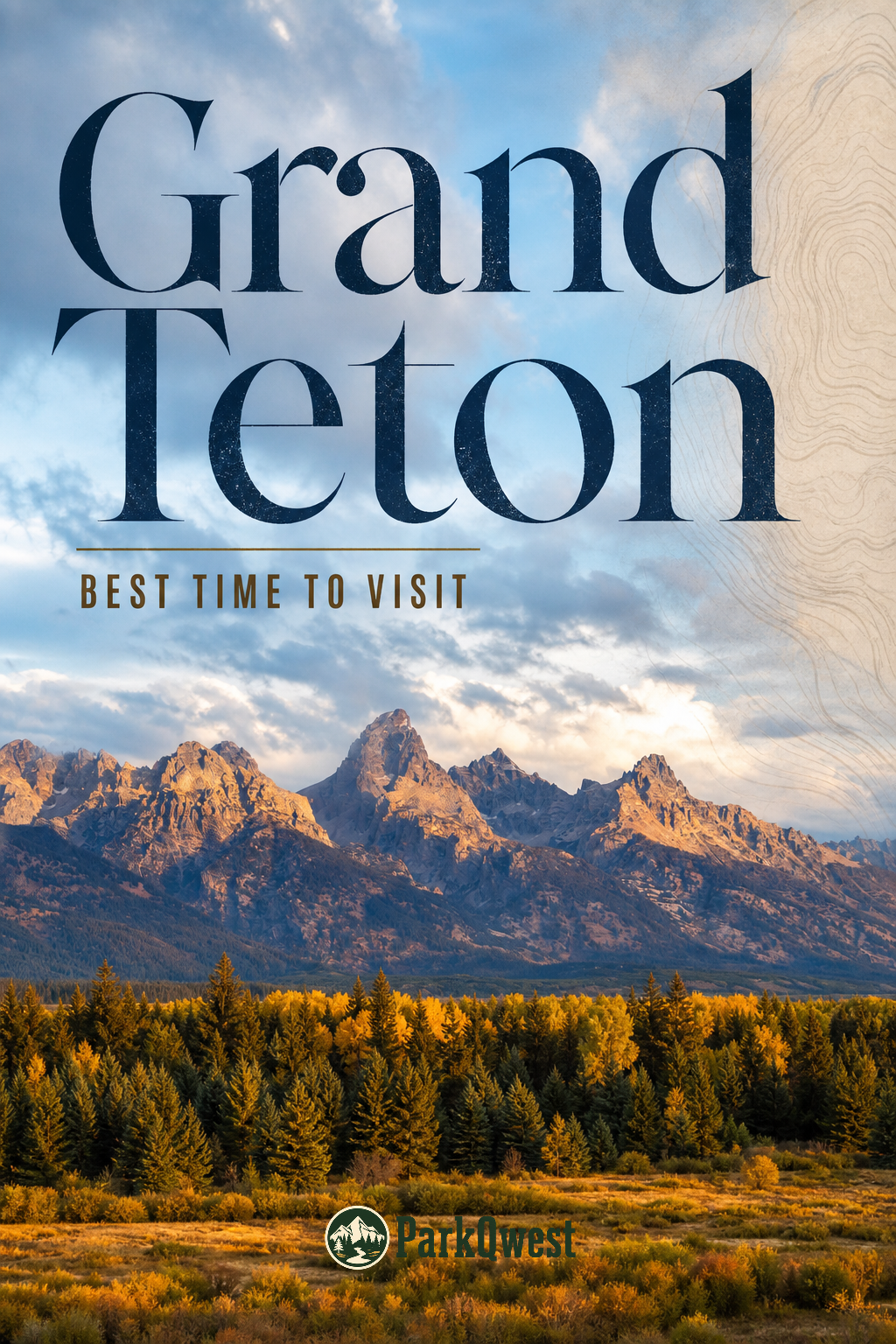
The best time to visit Grand Teton National Park depends less on a single “perfect” month and more on what you need the park to do for your trip. Want long hiking days and the broadest access? Summer is the practical choice, with its own crowd and thunderstorm compromises. Prefer clearer views, cooler temperatures, and a calmer rhythm? Fall is often the better fit. Spring rewards patience with changing conditions and a landscape in transition, while winter is for travelers who genuinely want snow, cold, and a quieter version of Jackson Hole. Because snow and frost are possible in any month here, the smartest approach is to choose a season for its strengths—not assume every week will behave the same.
Grand Teton at a Glance: Which Season Matches Your Trip?
| Season | Best for | Main advantage | Main tradeoff |
|---|---|---|---|
| Spring | Patient planners, photographers, wildlife-minded visitors | Fewer people and dramatic seasonal change | Unsettled weather and variable access |
| Summer | First-time visitors, hikers, families with fixed dates | Warmest conditions and longest usable days | Peak crowds and afternoon thunderstorms |
| Fall | Scenic drivers, walkers, couples, crowd-averse travelers | Sunny days, cooler air, changing color | Cold nights and increasing snow risk |
| Winter | Snow-focused travelers and quiet-season seekers | Snow-covered scenery and a slower pace | Frigid nights, storms, and limited seasonal access |
Quick take
Choose summer for the widest practical window, fall for the best balance of comfort and lower pressure, spring for flexible plans and shifting conditions, and winter only if snow is part of the point—not an inconvenience to work around.
Spring: Best for Patience, Fresh Change, and Lower Crowds
Spring at Grand Teton is a transition season, not an early version of summer. From April through June, the National Park Service describes a rotating mix of mild days, cool nights, rain, and snow. That variability can create crisp mountain views, lively water, fresh green in the valley, and constantly changing light—but it also means a sunny morning does not promise a dry or warm afternoon.
Spring suits travelers whose itineraries can be adjusted by the day. It is a strong choice if your priority is scenic driving, photography, lower visitor density, or watching the park emerge from winter rather than covering a long checklist. It is less ideal for travelers who have only one tightly scheduled day and need every route, trail, facility, or overlook to be operating as it would in peak season.
What spring asks you to accept
- Variable access: Snowmelt, late snow, and seasonal operations can affect where you can go and what is open. Check current conditions and road information on the official NPS page before committing to a specific plan.
- Layering weather: A warm-looking forecast can still include cold wind, rain, or snow. Waterproof outer layers and warm midlayers are more useful than packing for one temperature.
- Longer days over time: Daylight improves quickly through the season, but early spring still gives you fewer evening hours than summer.
Choose late spring rather than early spring if you want a better chance of milder daytime conditions and more seasonal access while still avoiding the fullest summer crowds. Choose earlier spring if you value a quieter atmosphere enough to accept more uncertainty.
Summer: Best for Full Days and First Visits
July and August are the most straightforward months for a classic Grand Teton trip. NPS weather guidance calls for warm days and cool nights, though afternoon thundershowers are common. That combination makes summer especially practical for visitors who want to spend full days outside, build a trip around longer walks, or fit the park into a larger Wyoming road trip.
The tradeoff is obvious: this is when more people can travel, daylight is long, and the park’s most accessible experiences draw the most demand. Summer is not automatically “too crowded,” but it does reward a different rhythm. Start earlier than you think, use the middle of the day for a lower-stakes activity or a break, and avoid treating every scenic stop as a quick in-and-out moment.
The summer decision is really about timing
Morning is the most valuable part of a summer day. It is generally cooler, often calmer, and gives you more margin before afternoon weather builds. Since thunderstorms are common, build outdoor plans around being in a sensible location before storms become the issue, rather than assuming you can simply wait them out wherever you are.
Summer is best for visitors who want the least complicated weather-and-access equation, especially families traveling during school break, first-time visitors flying into Jackson Hole Airport, and travelers with fixed vacation windows. Grand Teton is the only national park with a commercial airport within its boundary, but flight convenience does not eliminate the need to plan around weather and seasonal demand.
Quick take
For a July or August visit, do not try to “beat” the season by cramming in more. Pick one substantial morning priority, leave room for weather, and save flexible viewpoints or valley time for later in the day.
Fall: Best for Balance, Light, and a Less Rushed Feel
Fall is often the strongest all-around answer for travelers who can handle cold nights. From September through November, Grand Teton typically alternates sunny days and cold nights, with rain and occasional snowstorms possible. The season can deliver excellent visibility, sharp air, changing vegetation, and a noticeably calmer pace after summer’s busiest stretch.
September is usually the easiest fall choice for travelers who still want relatively generous daylight and more dependable conditions. October can feel more distinctly seasonal, with greater contrast between pleasant afternoons and cold mornings. By November, winter conditions may increasingly shape the trip, so it is better for visitors comfortable making decisions based on current forecasts and access updates.
Why fall works so well for scenic travelers
The Teton Range benefits from fall’s lower-angle light and clearer-feeling days. You do not need a packed activity schedule to make the season worthwhile; a slower day built around viewpoints, short walks where conditions allow, and time near the valley can feel more satisfying than a summer-style race between stops.
Fall is particularly good for couples, photographers, adults traveling outside school holidays, and anyone who values a quieter park over guaranteed warmth. It is not the right choice if your comfort level drops sharply when nights are cold or if your trip depends on late-season access remaining unchanged.
Winter: Best When Snow Is the Destination
Winter is Grand Teton’s most specialized season. From December to April, NPS notes that days between storms can be sunny while nights are frigid, and snow blankets both the mountains and the valley. The scenery can be strikingly spare and peaceful, but winter travel is less about maximizing stops and more about choosing a few realistic experiences around snow, cold, road conditions, and daylight.
This season suits visitors who are prepared for winter driving decisions, genuinely enjoy snowy landscapes, and are content with a more limited menu of accessible places. It is a poor match for someone whose dream trip depends on casual warm-weather walking, broad route access, or spontaneous day trips without checking conditions first.
- Plan for darkness: Shorter days make it more important to decide where you want to be before late afternoon.
- Plan for cold exposure: Sunny winter weather can still come with frigid nights and serious wind chill. Insulated layers, warm footwear, gloves, and a backup dry layer matter.
- Verify the details: Seasonal road status, services, and safe travel conditions can change. Use the official Grand Teton National Park website for current information rather than relying on an old winter itinerary.
How to Make the Final Call
Pick your season by ranking three things: dependable access, comfortable temperatures, and lower crowds. Summer gives you the strongest access-and-daylight case, but not the lowest crowd level. Fall often offers the best comfort-to-crowd compromise. Spring can be rewarding if your schedule has room for weather changes, while winter is the clear choice only when snow-covered Grand Teton is the experience you came for.
If your dates are fixed, let the conditions shape the plan instead of fighting the season. Grand Teton National Park sits in northwestern Wyoming, north of Jackson and south of Yellowstone, where mountain weather has real influence on travel. Check the NPS website close to departure for current road information, weather updates, and seasonal operations—then choose the version of the park that your month is actually offering.
Before you go
- Review official alerts, closures, hours, and reservation requirements.
- Allow extra travel time and keep an alternate plan.
- Use official NPS information as the final authority.
Sources
- Grand Teton National Park — official National Park Service site — National Park Service, accessed 2026-08-21
Continue planning Grand Teton
Learn more about Grand Teton and find other helpful guides, trails, and trip information in the ParkQwest guide.
ParkQwest is a QwestLyfe Community.
QwestLyfe helps you track your lifelong bucket lists, collections, recipes, and the places you've been. Document your experiences, add notes and pictures, and share them with your friends — and the world.