
Grand Canyon National Park: Best Time to Visit
Plan with current information. Conditions, roads, services, fees, and rules can change. Verify details with the National Park Service before your visit.
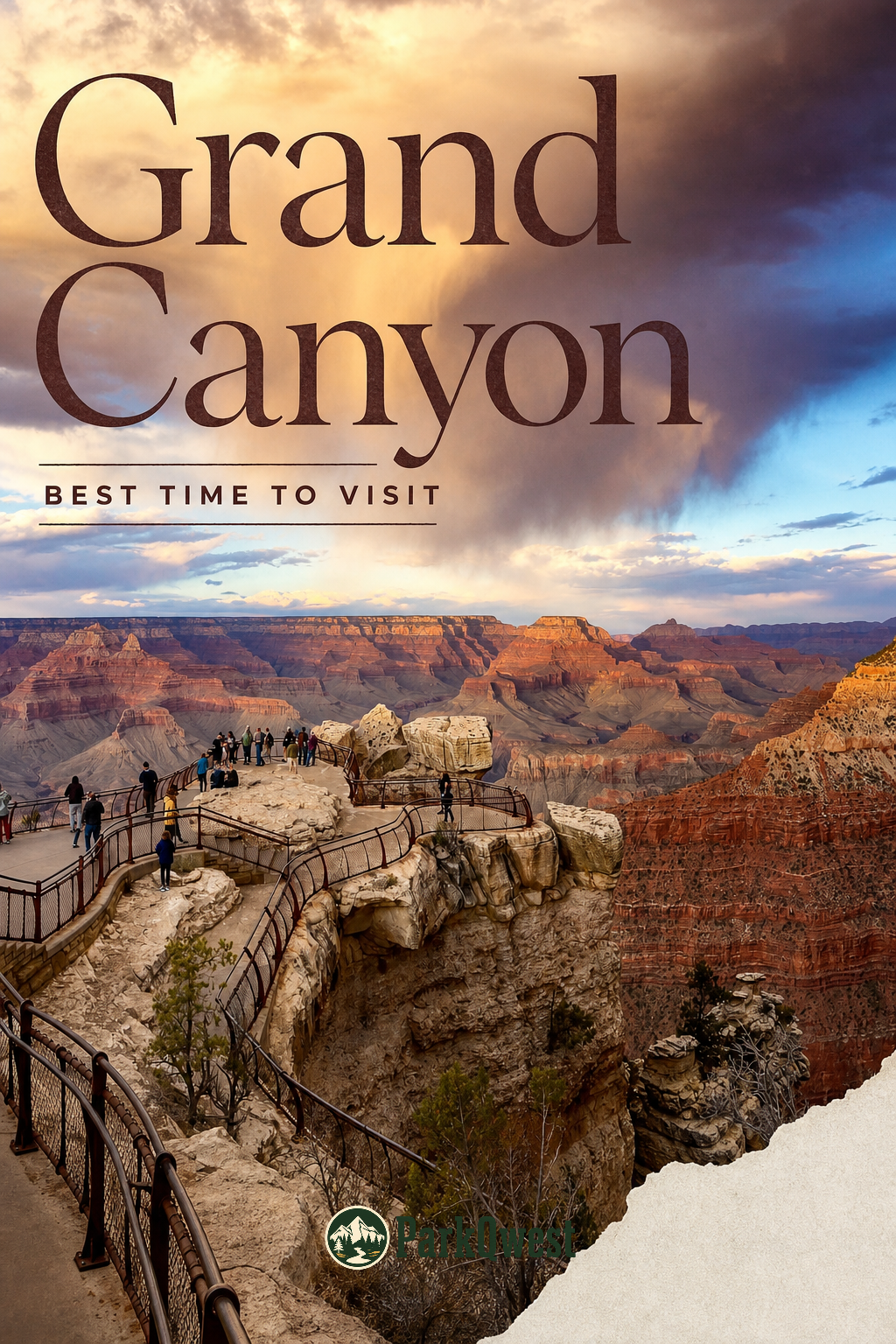
The best time to visit Grand Canyon National Park depends less on finding a universally “perfect” month and more on matching the season to the kind of trip you want. The South Rim is open year-round, but conditions can feel dramatically different from one season to the next: snowy overlooks in winter, hot inner-canyon days in summer, crisp mornings in fall, and changeable weather in spring. Elevation is the reason. The park ranges from roughly 2,500 feet near the Colorado River to 8,400 feet on the North Rim, so a forecast for one part of the park may be a poor guide for another.
For most rim-focused visitors, spring and fall offer the easiest balance of workable weather and daylight. Summer brings the longest days and the most activity, but also heavy visitation and serious heat below the rim. Winter is the quiet-season choice for travelers who value space, snow-dusted scenery, and a slower itinerary over predictable conditions. Use this guide to choose the season that fits your priorities—not just the calendar.
Quick take
Choose spring or fall for the best all-around rim visit, summer for maximum daylight and school-break travel, and winter for quieter views if you are comfortable planning around cold, snow, and changing road conditions. The South Rim is the dependable year-round base; North Rim access is seasonal and must be checked close to departure.
At a glance: how the seasons compare
| Season | Best for | Main tradeoff | Planning focus |
|---|---|---|---|
| Spring | Milder rim days, active itineraries, varied light | Wind, cold mornings, possible late-season snow | Layering and forecast checks |
| Summer | Long days, family schedules, early starts | Crowds and excessive heat inside the canyon | Time of day, water, heat limits |
| Fall | Comfortable pacing, clear views, shoulder-season travel | Shortening daylight and chilly evenings | Early starts and seasonal access checks |
| Winter | Lower crowds, snow scenery, unhurried viewpoints | Cold, snow, ice, limited daylight | Road conditions and warm layers |
Spring: the best choice for active, weather-aware travelers
Spring is often the strongest compromise season if you want comfortable time at the rim without summer’s peak heat. Days can be pleasant for viewpoints and walks, while mornings and evenings may still feel decidedly cold at the South Rim’s high elevation. The park’s weather can change quickly, so this is not the season to pack only for the temperature you saw in a lower-elevation Arizona forecast.
What spring feels like
Spring is a season of contrast: sun can make an overlook feel mild, then wind or cloud cover can make the same spot feel much colder. It is also a good time for visitors who want to spend a full day moving between overlooks, reading exhibits, and taking shorter walks without structuring every hour around heat management.
For trips that go below the rim, the temperature difference matters even more. The National Park Service notes that temperatures inside the canyon commonly run 20 to 30 degrees warmer than on the rims. A cool South Rim morning does not mean inner-canyon conditions will stay cool by midday.
- Best for: Couples, photographers, walkers, and travelers who can pack layers and adjust a day around changing conditions.
- Scenery advantage: Fresh snow may still appear at higher elevations early in the season, creating strong color contrast against the canyon walls.
- Watch for: Wind, rapidly changing weather, and lingering winter conditions in higher areas.
Spring packing rule
Bring layers you can actually use: a warm outer layer for dawn and sunset, sun protection for exposed overlooks, and more water than the rim temperature alone suggests if your plans take you below the canyon edge.
Summer: choose it for daylight, not for ease
Summer is the most convenient season on the calendar and often the most demanding one on the ground. It suits school-break schedules, multi-generational trips, and visitors who want long evenings at the rim. It is also the season when popular areas are likely to feel busiest, and when excessive heat becomes the central safety and comfort factor for anyone considering strenuous activity.
The summer timing strategy
The useful question in summer is not simply, “Will it be hot?” It is, “Where will I be during the hottest part of the day?” Rim temperatures are moderated by elevation compared with lower Arizona desert areas, but conditions inside the canyon are much warmer. A plan that looks reasonable from a shaded lodging room or a cool early morning can become punishing later in the day.
Summer works best when you separate your day into cooler and hotter blocks. Put exposed overlooks, walking, and any substantial exertion early; reserve the middle of the day for lower-effort stops, food, rest, or indoor exhibits where available. Check the official NPS page before departure for current heat advisories, operational updates, and any guidance affecting your intended route.
- Best for: Families tied to summer vacation, travelers who want maximum daylight, and people comfortable beginning days early.
- Crowd reality: Expect the highest demand during the broad summer travel season, especially around major holiday periods.
- Scenery advantage: Long daylight extends the window for changing canyon light, from early shadows to late-day color.
- Biggest tradeoff: The canyon interior can be dangerously hotter than the rim, even when the rim itself feels manageable.
Fall: the practical favorite for a calmer, balanced trip
Fall is often the easiest season to recommend to visitors who want fewer compromises. The worst summer heat generally eases, daylight is still useful for a full sightseeing day, and the mood can feel less rushed once peak vacation travel fades. It is particularly well suited to travelers who want to linger at viewpoints rather than race through a list.
The tradeoff is gradual rather than dramatic at first: mornings become crisper, evenings cool quickly, and daylight shrinks as the season progresses. A fall itinerary benefits from deciding in advance which viewpoints or walks matter most, then doing those earlier rather than assuming there will be endless light after dinner.
North Rim timing requires extra care
Fall is also when visitors are most likely to assume that both rims are equally available. They are not. The South Rim is open all year, while North Rim access is seasonal; the supplied NPS guidance notes that select areas are open to public access between October 1 and November 14, with details subject to current park news releases. Do not build a fall trip around the North Rim without checking the official NPS page close to travel.
- Best for: First-time visitors who can travel outside the busiest summer period, scenic drivers, and travelers who prefer moderate conditions.
- Scenery advantage: Lower-angle seasonal light can make the canyon’s layers and shadows especially distinct.
- Watch for: Earlier sunsets, cold nighttime temperatures, and seasonal changes to North Rim access.
Winter: the right answer for quiet, snow, and patience
Winter is not an “off” season at the South Rim; it is a different kind of visit. The rim remains open year-round, and snow can add striking contrast to the canyon’s red, tan, and gray layers. For visitors who dislike peak-season crowds, winter can offer more breathing room at overlooks and a more contemplative pace.
The cost of that quiet is uncertainty. Winters tend to be cold and snowy, road and walking conditions can change, and the short daylight window leaves less room for detours. This is a better season for travelers who are content with a flexible list of viewpoints than for anyone who needs every planned stop to happen exactly as imagined.
Make winter a rim-first trip
Winter favors a simple, realistic structure: begin after checking current conditions, prioritize the viewpoints you care about most, and leave margin for snow, ice, wind, or closures. Footwear with traction, warm layers, gloves, and sun protection all matter; bright winter sun and reflected light can still be intense.
- Best for: Photographers, repeat visitors, crowd-averse travelers, and people comfortable driving and walking in winter conditions.
- Scenery advantage: Snowfall can transform familiar overlooks and make canyon colors appear sharper.
- Biggest tradeoff: Cold conditions and limited daylight reduce spontaneity and may affect access.
How to make the final call
If your priority is the widest comfort window, choose late spring or fall and build in layers. If your priority is long days around a family schedule, summer can work well when you treat early morning as your prime outdoor time. If your priority is space, snow, and a quieter atmosphere, winter is compelling at the year-round South Rim.
Before choosing dates, separate the durable facts from the variable ones. Grand Canyon National Park is entirely in Arizona; the South Rim is reached from the Williams or Flagstaff directions described by NPS and remains open year-round. Weather, North Rim availability, road conditions, and operational details are changing conditions—verify those on the official Grand Canyon National Park NPS page before locking in the season that looks best on paper.
Before you go
- Review official alerts, closures, hours, and reservation requirements.
- Allow extra travel time and keep an alternate plan.
- Use official NPS information as the final authority.
Sources
- Grand Canyon National Park — official National Park Service site — National Park Service, accessed 2026-08-21
Continue planning Grand Canyon
Learn more about Grand Canyon and find other helpful guides, trails, and trip information in the ParkQwest guide.
ParkQwest is a QwestLyfe Community.
QwestLyfe helps you track your lifelong bucket lists, collections, recipes, and the places you've been. Document your experiences, add notes and pictures, and share them with your friends — and the world.