Grand Teton National Park: First-Trip Guide
Plan with current information. Conditions, roads, services, fees, and rules can change. Verify details with the National Park Service before your visit.

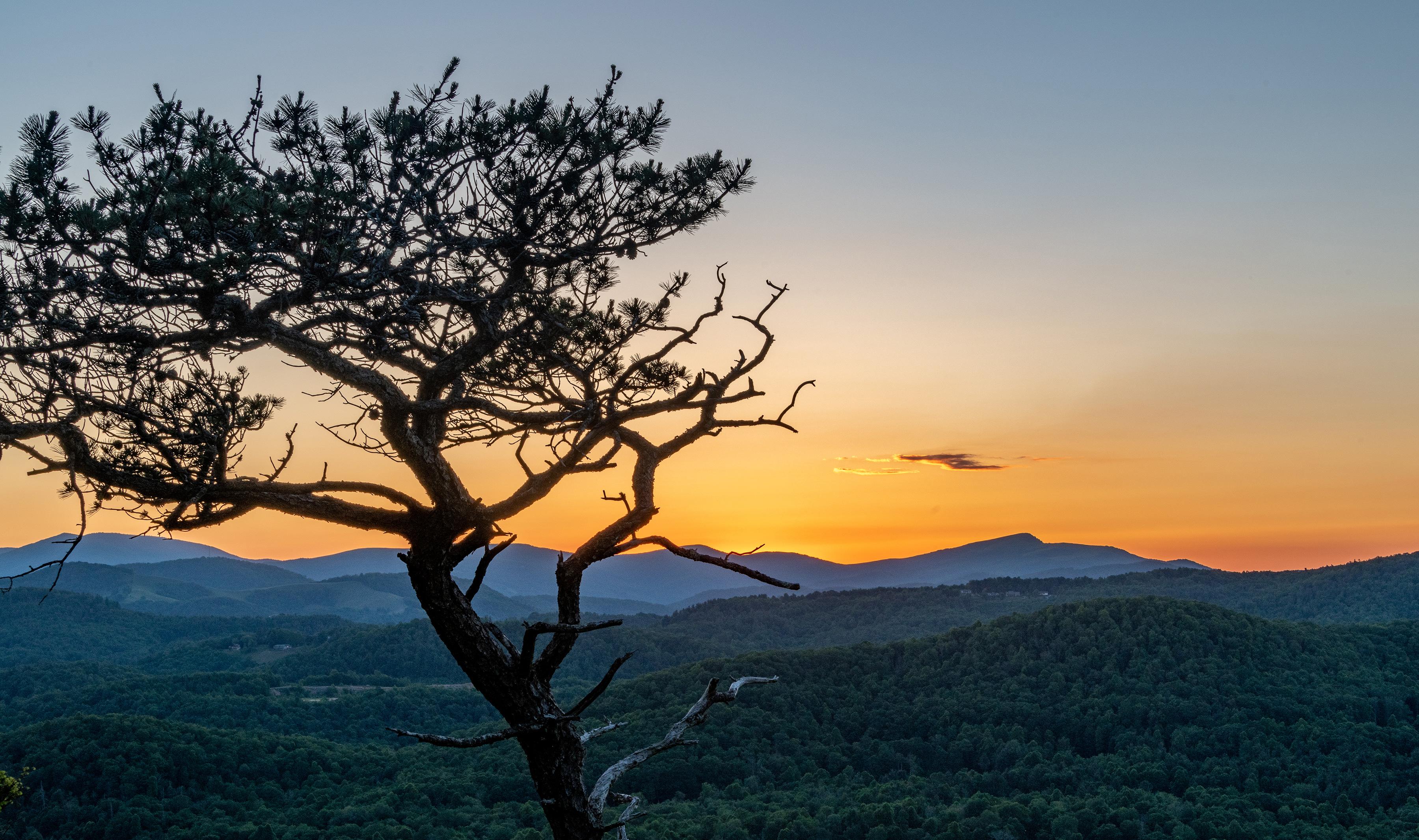
Grand Teton National Park is one of the rare parks where the first view can make you want to stop the car immediately—and where that impulse needs a little structure. The Teton Range rises sharply above the broad Jackson Hole valley, so the experience is not just “mountains”: it is a fast-changing mix of alpine views, lakeshore perspectives, open wildlife habitat, and a landscape shaped by more than 11,000 years of human connection. For a first visit, the winning approach is to choose a few contrasting ways to experience the park rather than trying to check off every overlook, trail, and photograph in a single rushed loop.
Understand the shape of your visit first
Grand Teton National Park sits in northwestern Wyoming, north of Jackson and directly south of Yellowstone. That location makes it tempting to treat the park as a quick add-on to a Yellowstone trip, but the Tetons reward their own block of time. The range, lakes, valley, and viewpoints are close enough together to feel manageable, yet stops take longer than they look because scenery, traffic, wildlife activity, weather, and parking can all affect the pace.
The park’s distinctive advantage is contrast. You can look from a broad valley across to a dramatic mountain wall, then shift to a lake edge or forested trail without needing to commit to a technical backcountry outing. First-timers do best when they plan around that contrast: one wide-valley view, one close-up lakeside or waterside stop, one walk, and one unhurried wildlife-viewing window.
Quick take
Do not judge Grand Teton by the number of stops you make. A strong first day usually includes a scenic drive, a short or moderate walk, time near water, and one patient stretch for wildlife viewing—without treating every pullout as mandatory.
Arrive with a map, a timing plan, and realistic expectations
Most visitors arrive by car, whether they are coming from Jackson, Yellowstone, Salt Lake City, Denver, or another regional route. The National Park Service notes that Salt Lake City is roughly 300 miles and five to six hours away, while Denver is roughly 550 miles and eight to 10 hours away. Those are useful planning estimates, not promises: mountain weather, construction, traffic, and road conditions can change a driving day quickly.
Jackson Hole Airport is a meaningful convenience for fly-in visitors. It is the only commercial airport located within a national park boundary, which can simplify the first and last day of a trip. Even so, landing nearby does not mean you should schedule a packed park day around your flight; build in time for a vehicle, supplies, orientation, and changing weather.
Make the official NPS page your final checkpoint
Before leaving your lodging or airport, check the official Grand Teton National Park page for current road information, entrance details, closures, alerts, and the status of visitor services. This matters especially if your plan depends on driving a particular route, reaching a trailhead, using a shuttle or concession service, or connecting onward to Yellowstone.
- Driving in from Jackson: Treat the town-to-park transition as part of the day, not a separate commute. Food, fuel, and errands are easier to handle before you are deep into sightseeing mode.
- Driving from Yellowstone: Leave margin for a long transfer day. The two parks connect naturally on a map, but stopping often is part of both experiences.
- Flying into JAC: Decide whether your arrival day is for orientation or exploration. A modest scenic drive and one short walk can be plenty after travel.
- Using a navigation app: Download maps where possible, but do not rely on an app as your only source for closures or weather-related decisions.
Build a first visit around four signature experiences
A memorable first trip does not require an exhaustive itinerary. It does require choosing experiences that show why this park feels different from a generic mountain drive.
1. See the range from the valley before chasing the close-up
Start with the big-picture view. The Teton Range is most legible when you can see its relationship to the open Jackson Hole valley: mountains rising hard from a wide, wildlife-rich floor. Early in the day, pause at a legal viewpoint or designated pullout and give yourself enough time to look beyond the first photo.
This is also the best mental reset for visitors who arrive from a long drive. Instead of immediately setting a strenuous hiking goal, let the landscape orient you. You will make better choices about where to walk and how much distance you actually want afterward.
2. Spend time at a lake or waterside setting
Grand Teton’s pristine lakes are not merely scenic foregrounds for mountain photos. They change the scale of the experience, giving you reflections, shoreline details, wind, changing light, and a chance to slow down. Choose a waterside stop where you can walk a little rather than making every lake view a quick roadside photograph.
Think in terms of time, not mileage. A short waterside walk can easily become the most satisfying part of the day if you allow time to sit, look across the water, and return before you are hungry or rushed.
3. Take one walk that matches your actual energy
For a first visit, choose one primary walk or hike rather than stacking several ambitious ones. The best choice depends on current trail conditions, your group’s experience, daylight, elevation tolerance, and weather—not on what looks most impressive in a social post. Verify named trail conditions, route information, and any restrictions on the official NPS site before committing.
- Short walk: Best for an arrival day, a family group, uncertain weather, or visitors who want more time for overlooks and lakes.
- Moderate outing: Best when hiking is the central goal of the day and you have enough daylight to move without racing.
- Longer hike: Best reserved for a day built around it, with a conservative turnaround plan and current conditions checked in advance.
4. Watch for wildlife without turning it into a chase
Wildlife is a core part of the Grand Teton landscape, but it is not a scheduled attraction. The practical move is to create a patient viewing window—often early or later in the day—rather than constantly stopping whenever a few cars are pulled over. If you do encounter animals, follow park guidance, give them ample space, stay on safe legal ground, and never block traffic or crowd a viewing area.
Quick take
Wildlife viewing works best as a bonus built into your route, not the only reason for your day. If you see animals, great; if you do not, you should still have a worthwhile lakeside stop, mountain view, and walk planned.
Where to base yourself: choose convenience or immersion
Jackson is the straightforward base when you want town services and a simple first-trip setup. It is south of the park and can make dining, groceries, vehicle needs, and arrival logistics easier to manage. The tradeoff is that each park day begins with a drive, and popular periods can make getting an early start especially valuable.
Staying in or closer to the park can reduce daily driving and make it easier to be out during quieter morning or evening hours. The tradeoff is that park-area lodging and camping logistics may be more limited or more dependent on availability. Verify current lodging, camping, reservation, and service details directly through the NPS and the relevant official operators before choosing a base.
| Base choice | Best for | Main tradeoff |
|---|---|---|
| Jackson | First-time logistics, food, errands, and a town base | More daily driving to and from park experiences |
| Park-area stay | Early starts, quieter hours, and an immersion-focused visit | Availability and services require more advance verification |
A practical first-day rhythm
Here is a useful template for a full first day, not a rigid itinerary. It leaves room for weather, traffic, and the inevitable moment when a view deserves more time than planned.
- Begin with orientation: Check the day’s NPS alerts, road conditions, weather, and the status of the route or trail you intend to use.
- Take a broad scenic drive: Start with valley-and-range views while your group is fresh and the light is often gentler.
- Choose one waterside stop: Walk far enough to get away from the immediate parking area, then pause instead of hurrying onward.
- Eat before the main walk: A simple lunch or substantial snack prevents the common mistake of beginning a hike tired, thirsty, and short on time.
- Make one hike or walk the centerpiece: Use current conditions and your turnaround time to decide how far to go.
- Leave a late-day wildlife and viewpoint window: Drive slowly, use designated places to stop, and let this portion remain optional rather than pressured.
First-timer mistakes worth avoiding
- Trying to combine every major sight with a major hike: The park looks compact, but stopping, parking, walking, and photography add up. Pick a main activity each day.
- Assuming warm-looking skies mean stable conditions: NPS weather guidance notes that snow and frost are possible in any month, while summer afternoons commonly bring thunderstorms. Check the forecast and turn around if conditions deteriorate.
- Using Yellowstone as a reason to rush Grand Teton: The parks pair well, but Grand Teton deserves a deliberate day rather than a drive-through between lodging stops.
- Following a crowd toward wildlife: A cluster of cars is not a safety plan. Protect animals, yourself, and traffic flow by observing park rules and keeping distance.
- Planning only for photos: The lasting experience usually comes from combining views with time on foot—at a lake, along a trail, or at a quiet viewpoint.
For a first trip, aim to leave Grand Teton feeling oriented rather than finished. See the range from the valley, spend unhurried time near water, take one well-chosen walk, and let the changing light and wildlife habitat shape the rest. That is enough to understand why these peaks are more than a dramatic backdrop—and enough to know what you would return to explore next.
Before you go
- Review official alerts, closures, hours, and reservation requirements.
- Allow extra travel time and keep an alternate plan.
- Use official NPS information as the final authority.
Sources
- Grand Teton National Park — official National Park Service site — National Park Service, accessed 2026-08-18
Continue planning Grand Teton
Learn more about Grand Teton and find other helpful guides, trails, and trip information in the ParkQwest guide.
ParkQwest is a QwestLyfe Community.
QwestLyfe helps you track your lifelong bucket lists, collections, recipes, and the places you've been. Document your experiences, add notes and pictures, and share them with your friends — and the world.