
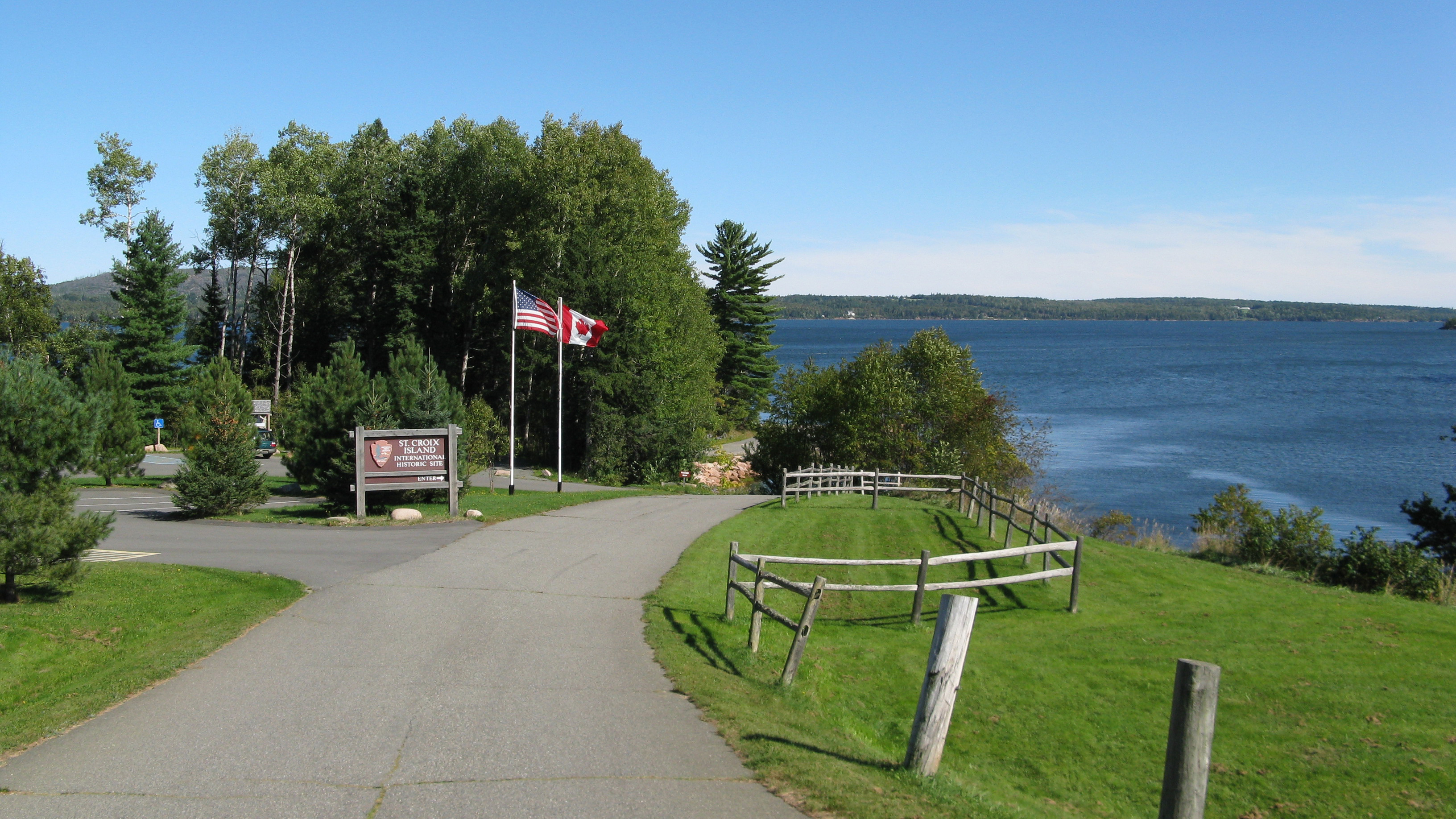
Park of the Day: Saint Croix Island International Historic Site
Plan with current information. Conditions, roads, services, fees, and rules can change. Verify details with the National Park Service before your visit.
Saint Croix Island International Historic Site deserves a place on a Maine itinerary because it brings a foundational North American story into sharp focus: the first winter of Pierre Dugua’s French expedition in 1604–1605. This is a place to pause over the human stakes behind an early colonial foothold—endurance, loss, trade, and the beginnings of a lasting French presence in North America.
A small site with a consequential story
The defining chapter here is difficult to separate from the landscape and climate. During the winter of 1604–1605, freezing temperatures iced in the expedition, while fresh water and game were unavailable. Of the 79 men in Pierre Dugua’s party, 35 died during that cruel season.
Spring changed the circumstances. Native people traded game for bread, improving the health of the remaining expedition members. By summer, the group moved on, but the events connected with Saint Croix Island marked the beginning of French presence in North America.
Quick take
Come for an intimate encounter with a pivotal 1604–1605 survival story. Saint Croix Island International Historic Site is especially rewarding for travelers who appreciate history that asks us to slow down, consider the conditions people faced, and understand how a single hard winter shaped a much larger North American story.
What makes Saint Croix Island distinctive
Its international designation reflects a history that reaches beyond Maine. The site centers on a French expedition whose experience was shaped not only by cold and scarcity, but also by exchange with native people in the spring. That combination gives the story both a stark human dimension and a broader historical significance.
Rather than presenting history as a distant series of dates, Saint Croix Island encourages us to think about practical realities: a winter spent in freezing conditions, isolation from fresh water and game, and the difference that food obtained through trade could make. It is an effective stop for travelers seeking context as much as scenery.
What a visit feels like
We should approach this site with attention and patience. The story is not one of easy exploration or triumphant survival; it is one of hardship, mortality, and recovery. The scale of the narrative invites a quieter kind of visit, where the details of the 1604–1605 winter remain at the center.
One signature experience is simply tracing the sequence of events: winter isolation, the loss of 35 men, spring trade, improved health, and the expedition’s departure by summer. Another is using the visitor center, located inside the ranger station, as a starting point for grounding the visit in the site’s historical context.
Planning a practical visit
Saint Croix Island International Historic Site is best reached by private vehicle. It is located 8 miles south of Calais, Maine, on U.S. Route 1. Travelers can reach the area via Route 9 from Bangor or follow U.S. Route 1, the coastal route from Portland and points south.
From U.S. Route 1, turn onto St. Croix Drive; the entrance gate is on the right. The visitor center is inside the ranger station. Before setting out, we should consult the official site page for current information and use the NPS guidance as a reference for reaching the site.
Choose the season with Maine weather in mind
This is a four-season destination, and weather should shape our expectations. Summer temperatures range from 50–80°F (10–27°C), while fall ranges from 25–70°F (-4–21°C). The first frost typically arrives in mid-October, and snowfall usually begins in November and can continue through April.
Winter temperatures range from 5–30°F (-15 to -1°C), with average snowfall accumulation of 67 inches (170 cm). Spring temperatures range from 20–60°F (-6–16°C). We should allow enough time to arrive comfortably, take in the historical story without rushing, and adjust plans for the season’s conditions.
Before you go
- Review official alerts, closures, hours, and reservation requirements.
- Allow extra travel time and keep an alternate plan.
- Use official NPS information as the final authority.
Sources
- Saint Croix Island International Historic Site — official National Park Service site — National Park Service, accessed 2026-10-14
Continue planning Saint Croix Island International Historic Site
Learn more about Saint Croix Island International Historic Site and find other helpful guides, trails, and trip information in the ParkQwest guide.
Open the ParkQwest Saint Croix Island International Historic Site Guide →
ParkQwest is a QwestLyfe Community.
QwestLyfe helps you track your lifelong bucket lists, collections, recipes, and the places you've been. Document your experiences, add notes and pictures, and share them with your friends — and the world.