
Biscayne National Park: Don't-Miss Experiences
Plan with current information. Conditions, roads, services, fees, and rules can change. Verify details with the National Park Service before your visit.
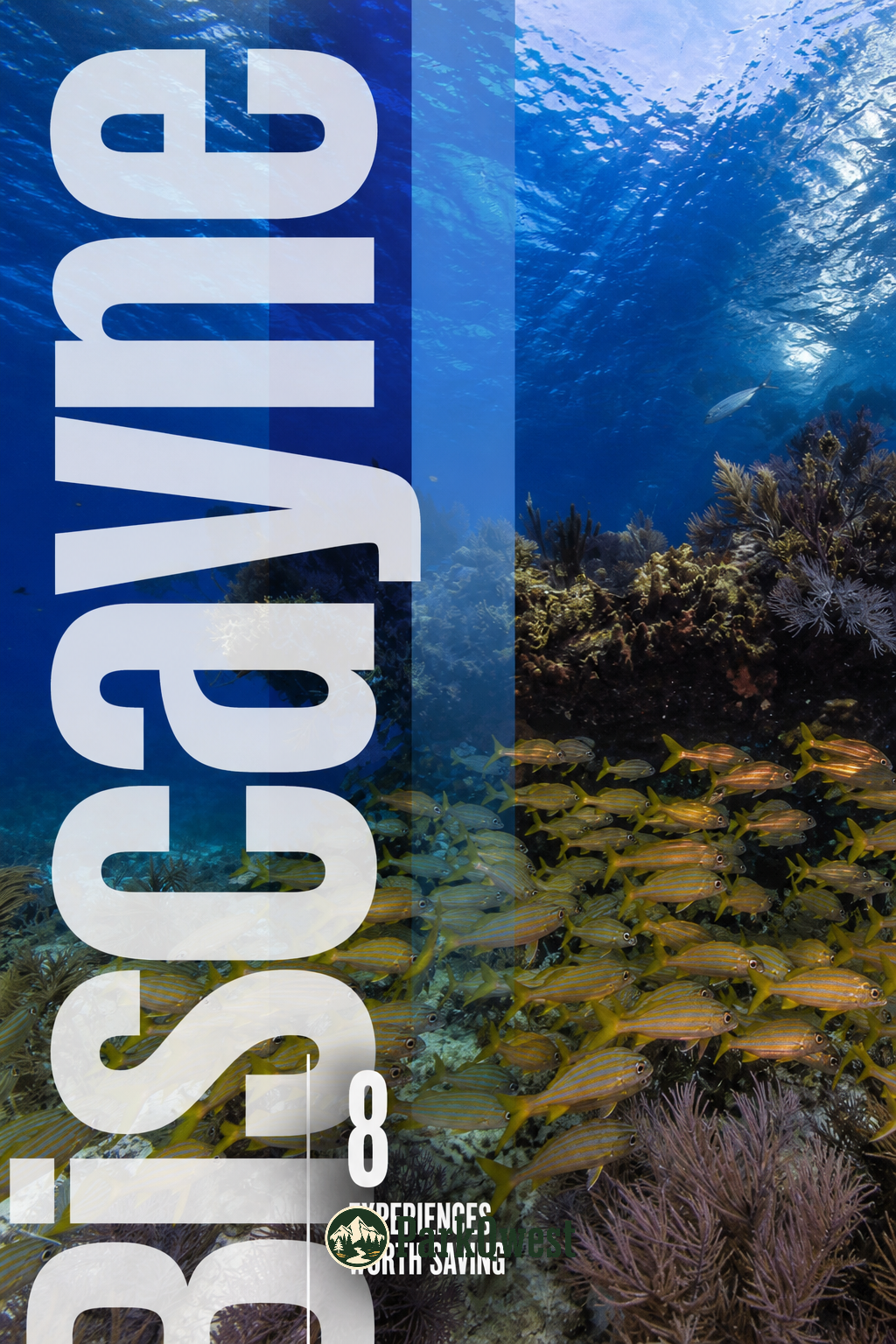
Biscayne National Park is a choose-your-own-water day, not a checklist park. Within sight of Miami, it protects aquamarine water, emerald islands, coral reefs filled with fish, and a human story that reaches back roughly 10,000 years. Most of the park is best understood from a boat or in the water, so the smartest plan is not to try to “do Biscayne” in one sweep. Pick the experience that matches your confidence on the water, your available time, and the day’s wind and weather.
Quick take
Choose one water-based priority—reef time, an island landing, paddling, fishing, or a scenic boat ride—then use the Dante Fascell Visitor Center as your planning anchor. In Biscayne, a shorter plan with the right conditions usually beats an overstuffed itinerary.
How to choose your Biscayne day
Start with your relationship to open water. Confident swimmers may get the most from reef-focused time; boat-curious visitors can favor a scenic outing or island stop; and travelers who prefer dry ground can still find value in the visitor center, shoreline views, and the park’s layered cultural story. Weather is not a minor detail here—it can decide which experience feels relaxed and which feels like work.
- Pick reef time if seeing fish-bejeweled coral is your main reason for visiting.
- Pick an island landing if you want a slower, picnic-friendly day with a sense of place.
- Pick paddling if you have suitable experience and conditions are calm enough for your comfort.
- Pick a boat ride or fishing day if you want the park’s water-and-sky scale without making swimming the centerpiece.
- Pick the history angle if shipwrecks, early communities, farming, and preservation stories are what make a landscape stick with you.
Eight experiences worth building a trip around
1. Begin with a water-first orientation at Dante Fascell Visitor Center
This is the place to turn a vague park visit into a realistic day. Biscayne National Park is visually close to the mainland but geographically different from a typical drive-through park: much of what people come to see lies beyond the shore. Use the visitor center to understand current conditions, available access options, and which parts of the park make sense for your group.
Best for: First-time visitors, families, and anyone arriving without a boat plan. It is also useful for travelers deciding whether a shore-based visit will satisfy them or whether they should arrange time on the water.
Planning note: The visitor center is reached via the Florida Turnpike’s Exit 6, then south to SW 328th Street/North Canal Drive; the park entrance is on the left near Homestead Bayfront Marina. Check the official NPS page before departure for current information, conditions, and services.
2. See the park from a boat, even if you never get in the water
A boat changes Biscayne from a pretty shoreline into a large, interconnected seascape. The passage across clear water makes the relationship among mainland, islands, reefs, and distant horizons easier to grasp. It is also the most practical way to appreciate why this national park protects water as much as land.
Best for: Non-swimmers, multigenerational groups, photographers, and visitors short on time who still want the park’s defining perspective. This is a strong choice when someone in the group wants scenery more than sport.
Planning note: Boat access depends on current conditions and the option you choose, whether that is your own vessel or a commercial outing. Verify current operators, launch guidance, weather advisories, and any park rules on the NPS website rather than assuming a particular trip is running.
3. Make coral-reef time your main event
The coral reefs are the clearest expression of Biscayne’s underwater identity. The NPS describes the park as protecting fish-bejeweled coral reefs, and seeing that living color below the surface offers a very different memory than looking across the bay from land. Snorkeling and diving are not interchangeable, though: each demands a different comfort level, skill set, and depth of preparation.
Best for: Strong swimmers, snorkelers, certified divers, and travelers willing to devote most of the day to one experience rather than squeezing it between other stops.
Planning note: Treat sea state, visibility, current, boat logistics, and your own ability as the real itinerary. Bring sun protection that will stay put in water, hydration, and whatever safety equipment your activity requires; confirm current reef-access guidance and regulations with NPS before going.
Quick take
Do not schedule reef time as a casual add-on after a long Miami morning. Build the day around it, because wind, storms, and water comfort determine whether it is the right choice.
4. Land on an island and let the pace drop
An island stop gives the park a human scale. Biscayne’s emerald islands provide a useful counterpoint to the open-water experience: instead of watching the landscape pass from a boat, you can pause, eat, look across the water, and consider how isolated these places once felt. The islands also connect naturally to the park’s history of human use.
Best for: Couples, families, casual boaters, and visitors who want a calmer day than a reef-centered outing. It suits people who like a destination within the destination.
Planning note: Island access is a transportation question first. Check the official NPS page for current landing guidance, permitted activities, facilities, and rules before packing a picnic or committing to a particular island.
5. Paddle only when calm water is part of the forecast
Paddling can offer the quietest version of Biscayne. Moving at human speed makes small changes in wind, water texture, and shoreline feel more immediate, and it can be especially rewarding for visitors who prefer self-directed exploration over a scheduled outing. But this is not the experience to choose just because a kayak looks easy in a photo.
Best for: Experienced paddlers who understand their equipment, can assess conditions, and genuinely enjoy a low-key water day. It is less suitable for people who have never paddled in exposed subtropical conditions.
Planning note: Winter is normally dry and mild, but fronts can bring wind; summer brings heat, humidity, and scattered afternoon thunderstorms. Check the marine forecast, wind direction, storms, launch information, and park guidance before deciding whether to paddle.
6. Follow the 10,000-year human story, not just the scenery
Biscayne is more than blue water and reef color. The park preserves evidence of people and livelihoods ranging from prehistoric tribes to shipwrecks, pineapple farmers, and presidents. Bringing that thread into your visit makes the landscape feel less like an empty backdrop and more like a place shaped by navigation, work, settlement, and preservation.
Best for: History-minded travelers, repeat national park visitors, students, and anyone who wants a meaningful focus on a day when water conditions are less inviting.
Planning note: Ask at the visitor center or consult the official NPS page for currently available interpretation, exhibits, and guidance on historical resources. Avoid treating shipwrecks or archaeological places as souvenirs or scavenger hunts; the value is in understanding the story, not removing evidence from it.
7. Plan a responsible fishing day
Fishing is part of Biscayne’s living relationship with the water. For many visitors, the park is a boating and fishing destination, and a fishing-focused outing can be a satisfying way to slow down and pay attention to tides, habitat, and the practical rhythm of the bay. It is a very different kind of day from snorkeling, but no less connected to the park.
Best for: Anglers who are comfortable researching regulations, boaters combining a fishing plan with sightseeing, and groups where not everyone wants to swim.
Planning note: Regulations, seasons, species rules, licenses, gear restrictions, and protected areas can change or be specific to location. Review current NPS fishing guidance and applicable Florida requirements before leaving the dock, and build in time to identify where fishing is allowed.
8. Save time for the peaceful, weather-watching version of the park
Not every good Biscayne visit needs to be athletic or ambitious. The park’s subtropical light, warm breeze, broad water, and distant islands can be the point—particularly for travelers who want a restorative pause near Miami rather than another high-output activity. A quiet shoreline view can also help you decide whether a future return should be built around reefs, boating, or islands.
Best for: Slow travelers, people with limited time, companions who do not want a full water excursion, and anyone watching uncertain weather.
Planning note: Bring shade, water, and rain protection in summer, when afternoon thunderstorms are common. Hurricane season runs from June through November, so check official alerts and forecasts close to your visit; conditions, not calendar optimism, should make the final call.
Let the season shape the choice
| Season pattern | What it favors | What to plan around |
|---|---|---|
| Winter | Dry, mild days and unhurried sightseeing | Occasional fronts can bring wind and light rain |
| Summer | Warm-water activities and early starts | Heat, humidity, and scattered afternoon thunderstorms |
| June–November | Trips planned with close forecast attention | Hurricane season and changing marine conditions |
The most useful Biscayne plan has a primary experience and a backup mood. Choose the reef, island, paddle, fishing, boat, history, or quiet-view version that fits your group—then keep one lower-commitment alternative in mind if the weather redraws the day. That approach leaves room for the park to be what it is: a water-centered national park whose best moments depend on paying attention.
Before you go
- Review official alerts, closures, hours, and reservation requirements.
- Allow extra travel time and keep an alternate plan.
- Use official NPS information as the final authority.
Sources
- Biscayne National Park — official National Park Service site — National Park Service, accessed 2026-10-14
Continue planning Biscayne
Learn more about Biscayne and find other helpful guides, trails, and trip information in the ParkQwest guide.
ParkQwest is a QwestLyfe Community.
QwestLyfe helps you track your lifelong bucket lists, collections, recipes, and the places you've been. Document your experiences, add notes and pictures, and share them with your friends — and the world.