
Park of the Day: Harriet Tubman National Historical Park
Plan with current information. Conditions, roads, services, fees, and rules can change. Verify details with the National Park Service before your visit.
Why Harriet Tubman National Historical Park deserves our attention
Harriet Tubman National Historical Park gives us a reason to travel to central New York with purpose: it is a place connected to Tubman’s final decades of work for human rights and dignity. After emancipating herself and members of her family, Tubman moved them from Ontario, Canada, to Fleming and Auburn in 1859. Her story here is rooted in faith, family, freedom, and community—values that make this a meaningful destination in any season.
This is not a park defined by a single overlook or a long drive through scenery. Instead, it invites us to consider a remarkable life through the Auburn-area places associated with Tubman and the community in which she lived until her death in 1913. For travelers interested in abolition, women’s suffrage, and the history of social change, central New York offers especially important context.
Quick take
Come to connect Harriet Tubman’s lifelong commitment to freedom with the central New York community where she continued her work for human rights and dignity.
A park shaped by community and conviction
Harriet Tubman was guided by a deep faith and devotion to family, freedom, and community. Those themes give the park its distinctive character and help frame a visit beyond a simple stop at a historic site. We come away with a stronger sense of Auburn and Fleming as places within Tubman’s later life, rather than as a footnote to it.
Central New York was a center for progressive thought, abolition, and women’s suffrage. That broader setting matters: it helps explain why this region is a fitting place to reflect on Tubman’s continued fight for human rights and dignity. The park’s story asks us to slow down and consider the relationships between an individual life, a family, a faith community, and a movement for freedom.
What to look for during a visit
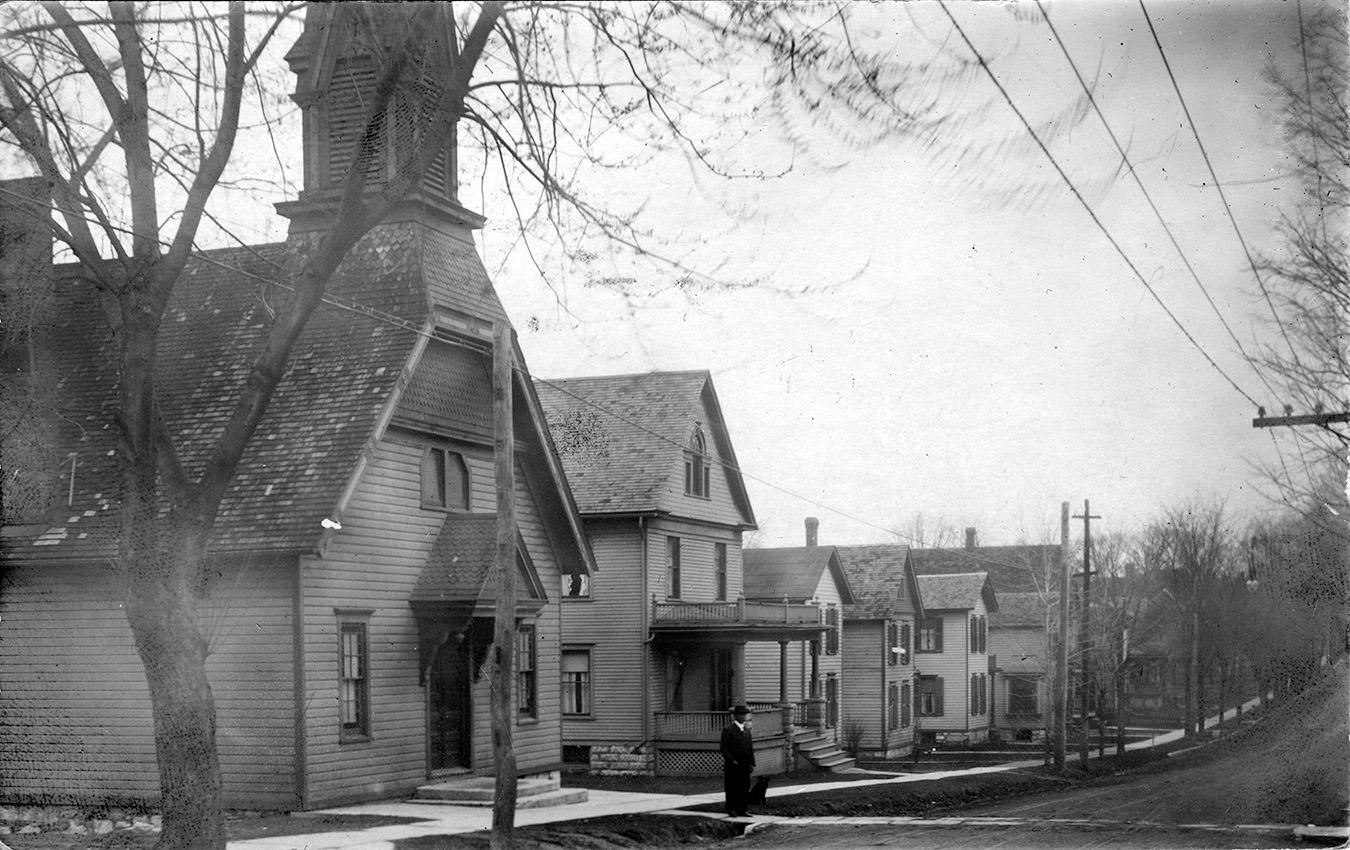
The park includes the Thompson Memorial African Methodist Episcopal Zion Church and parsonage. These sites offer a direct connection to the religious and community dimensions of Tubman’s life, and they are a natural focus for visitors seeking to understand the values that guided her.
The park’s legislative boundary also includes properties at 180 South Street, which are operated by the Harriet Tubman Home, Inc. Because the locations and stewardship are distinct, it is wise to approach the visit as a small collection of related places rather than expecting one single park entrance or experience.
Signature ways to experience the story
One essential experience is simply tracing the connections among the park’s sites in Auburn. Moving between them encourages us to think about Tubman not only as a historic figure, but as someone who made a home, cared for family, practiced faith, and remained engaged in the struggle for dignity.
A second meaningful stop is Fort Hill Cemetery, where Tubman is buried. It is a related Tubman site, but it is separate from Harriet Tubman National Historical Park. Including it can give the day a reflective closing point while keeping the distinction between the cemetery and the national historical park clear.
Plan a practical Auburn visit
Start with the park’s official directions page when organizing your route, since the church and parsonage, the 180 South Street properties, and Fort Hill Cemetery are separate locations. Confirm current details directly with the relevant sites before leaving, particularly if access is important to your plans. We should not assume that every related location has the same operations or visitor arrangements.
Allow enough time to travel between the sites and to take in their connections thoughtfully. A visit can be tailored to the places we hope to see, but it is best not to rush if we want room for reflection as well as logistics.
Auburn has four distinct seasons. Spring and fall are usually mild, while summer tends to be sunny, warm, and humid. Winter conditions can change quickly; snow in November is not uncommon, and January tends to bring the heaviest snowfall, averaging 33 inches. In colder months, build flexibility into travel plans and be prepared for changing weather.
Before you go
- Review official alerts, closures, hours, and reservation requirements.
- Allow extra travel time and keep an alternate plan.
- Use official NPS information as the final authority.
Sources
- Harriet Tubman National Historical Park — official National Park Service site — National Park Service, accessed 2026-10-14
Continue planning Harriet Tubman
Learn more about Harriet Tubman and find other helpful guides, trails, and trip information in the ParkQwest guide.
ParkQwest is a QwestLyfe Community.
QwestLyfe helps you track your lifelong bucket lists, collections, recipes, and the places you've been. Document your experiences, add notes and pictures, and share them with your friends — and the world.