
Park of the Day: De Soto National Memorial
Plan with current information. Conditions, roads, services, fees, and rules can change. Verify details with the National Park Service before your visit.
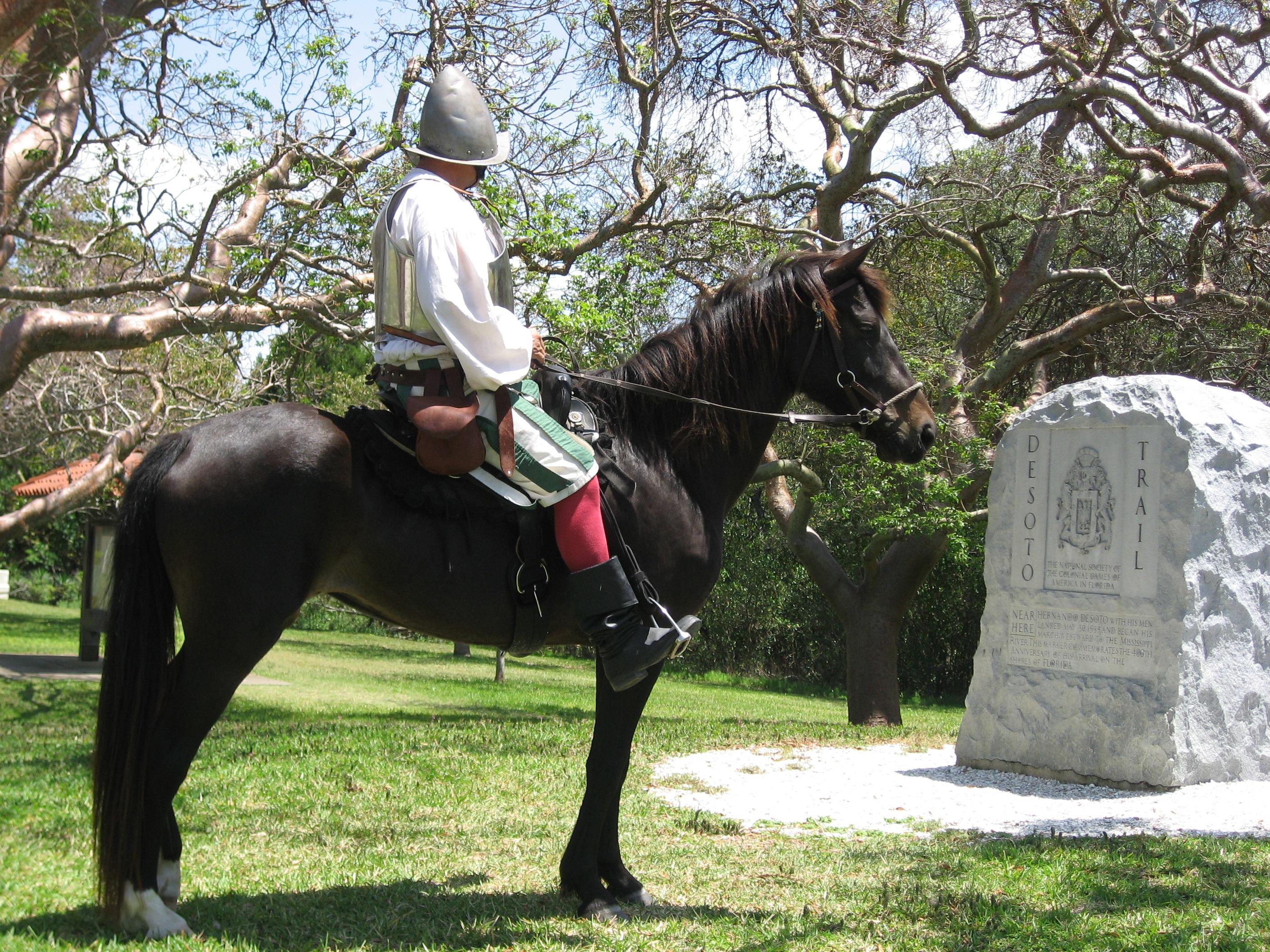
De Soto National Memorial deserves a traveler’s attention today because it offers a focused way to reckon with a pivotal and difficult chapter in the history of what became the United States. Here, we can begin with the 1539 arrival of Hernando de Soto’s expedition in Tampa Bay and keep Indigenous people—not just the conquistador’s ambitions—at the center of the story.
A memorial built around a consequential encounter
In May 1539, Hernando de Soto’s army made landfall in Tampa Bay. It was not a small traveling party: the expedition included soldiers, hired mercenaries, craftsmen, and clergy, all pursuing a quest for glory and gold.
The arrival was met with fierce resistance from Indigenous people protecting their homelands. That fact gives the memorial its essential tension and importance: this is not simply a story of exploration, but one of competing interests, violence, survival, and profound consequences.
De Soto’s undertaking became a four-year, 4,000-mile odyssey marked by intrigue, warfare, disease, and discovery. The expedition’s path and effects would help form the history of the United States, making this a place for visitors who want historical context rather than a simplified origin story.
Quick take
Come to De Soto National Memorial for a thoughtful introduction to the 1539 Tampa Bay landing and the Indigenous resistance that met it. It is a strong stop for travelers interested in early American history, difficult questions, and the long reach of a single expedition.
What makes this place distinctive
Many historic sites ask us to admire an individual’s achievement. De Soto National Memorial asks for a broader view. The official account places de Soto’s drive for wealth and renown alongside the people whose homelands his army entered and the resistance they mounted.
That framing makes the memorial especially worthwhile for travelers who prefer history with complexity intact. We can consider the expedition as an event with many participants and consequences, rather than reducing it to a lone explorer’s journey.
The scale of the story is also striking. A landing in Tampa Bay became the opening chapter of years of movement across thousands of miles, with warfare and disease among the forces shaping that odyssey.
How to approach a visit
A visit works best when we arrive ready to slow down and give the story our attention. Rather than rushing to check off a name or date, we can use the memorial as a starting point for considering what it meant for an armed expedition to enter Indigenous homelands in 1539.
One signature experience is simply tracing the arc of the expedition in our minds: from the May landing in Tampa Bay to a four-year journey of 4,000 miles. That scale turns a single historical moment into something more tangible, connecting personal ambition with broad and lasting change.
A second is sitting with the account of Indigenous resistance. The memorial’s story makes clear that the people de Soto encountered were defending their homes, a perspective that should shape how we understand the entire encounter.
Planning the practical details
For drivers coming from I-75, take Exit 220 for SR 64/Manatee Avenue, Gulf Beaches. Travel west on SR 64 for approximately 12 miles to 75th Street West, turn right, and continue north for approximately two miles.
At its northern terminus, 75th Street West becomes De Soto Memorial Highway and ends at the park. Checking current conditions before departure is always a sensible final step, particularly when building the memorial into a larger Tampa Bay-area day.
Weather is an important consideration. Summers average 90 degrees Fahrenheit, with relative humidity of 80 to 90 percent; late-afternoon showers and thunderstorms are common, though they usually last 10 to 20 minutes.
Winter brings a different rhythm, with mild, dry conditions and average lows reaching 60 degrees. If we are choosing between seasons, winter may offer a more comfortable setting for an unhurried visit, while summer visitors should plan around heat, humidity, and afternoon storms.
Give the history room
There is no need to treat De Soto National Memorial as a hurried roadside pause. Allow enough time to absorb the central story, reflect on the resistance Indigenous people offered, and connect the Tampa Bay landing to the expedition’s four-year course.
For more current visitor information, consult the official park page before setting out: nps.gov/deso. The most rewarding visit will be one that leaves room for both the facts of the expedition and the questions those facts still raise.
Before you go
- Review official alerts, closures, hours, and reservation requirements.
- Allow extra travel time and keep an alternate plan.
- Use official NPS information as the final authority.
Sources
- De Soto National Memorial — official National Park Service site — National Park Service, accessed 2026-10-13
Continue planning De Soto
Learn more about De Soto and find other helpful guides, trails, and trip information in the ParkQwest guide.
ParkQwest is a QwestLyfe Community.
QwestLyfe helps you track your lifelong bucket lists, collections, recipes, and the places you've been. Document your experiences, add notes and pictures, and share them with your friends — and the world.