Park of the Day: Alagnak Wild River
Plan with current information. Conditions, roads, services, fees, and rules can change. Verify details with the National Park Service before your visit.
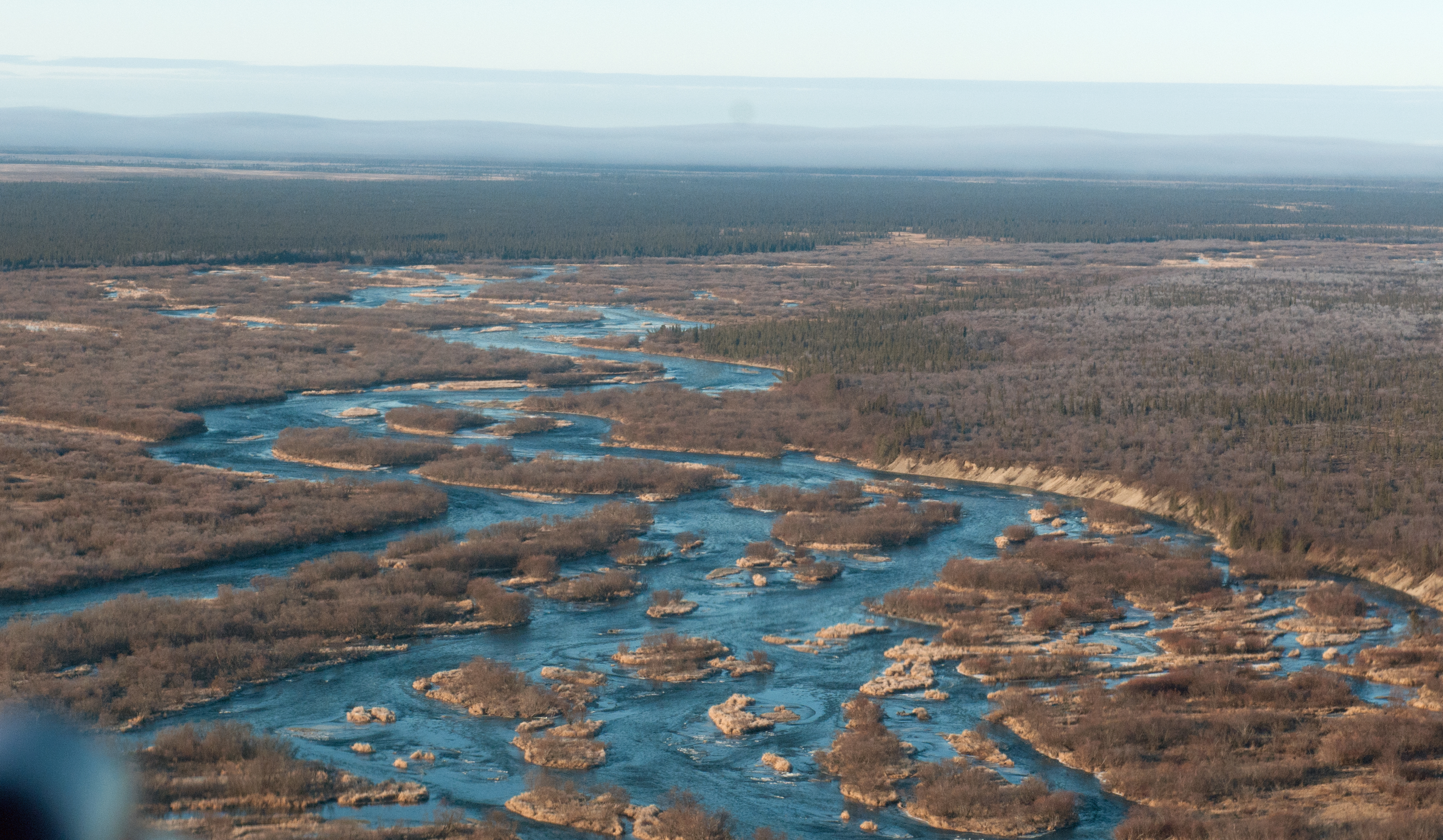
Alagnak Wild River deserves a traveler’s attention today because it offers something increasingly rare: a true wilderness river experience shaped by distance, weather, and the broad landscapes of southwest Alaska. Its headwaters begin in the rugged Aleutian Range within neighboring Katmai National Park and Preserve, then the river meanders west across the Alaska Peninsula toward Bristol Bay and the Bering Sea. For travelers looking beyond familiar road-accessible destinations, this is a place where getting there is part of the point.
A River Shaped by the Alaska Peninsula
The Alagnak is designated a Wild River, a fitting description for a waterway that crosses a remote stretch of Alaska between two powerful marine weather systems. The river’s route connects mountain headwaters, expansive peninsula country, and the coastal-facing world of Bristol Bay and the Bering Sea. That long westward passage gives the landscape a sense of scale that is difficult to find in more developed parks.
What makes this place distinctive is not a single overlook or landmark, but the river corridor itself. The Alagnak provides an opportunity to experience wilderness, wildlife, and the cultural heritage of southwest Alaska in one setting. We come here prepared to pay attention to the whole environment: the water, the changing sky, the open country, and the sense of being far from everyday infrastructure.
Quick take
Alagnak Wild River is a remote Alaska Peninsula destination for travelers who value a river-centered wilderness experience and are ready to plan around boat or small floatplane access, variable weather, and a flexible schedule.
What a Visit Feels Like
A visit to Alagnak Wild River is likely to feel defined by movement and conditions rather than a fixed itinerary. The river meanders toward the west, and the surrounding setting invites a slower, more observant approach than a stop-and-go sightseeing day. This is a destination where we should expect the landscape to set the rhythm.
Weather is a central part of the experience. Located between the stormy north Pacific Ocean and the even stormier Bering Sea, the Alagnak can become a battleground between weather systems. Visitors should be ready for changing conditions and should regard preparation as an essential part of the trip, not an afterthought.
Signature Ways to Experience the River
One signature experience is simply traveling the Alagnak corridor by boat, following a river that begins in the Aleutian Range and heads toward Bristol Bay and the Bering Sea. River travel offers a direct way to understand the scale of the Alaska Peninsula and the continuity between its inland headwaters and western waters. It also keeps the focus where it belongs: on the river as the thread connecting this wild landscape.
Another memorable part of the experience can begin before reaching the river itself. Access by small floatplane offers a practical route into this remote area and underscores how separated Alagnak is from Alaska’s road network. Whether arriving by boat or air, we should treat the approach as part of the visit, with the same attention to weather, timing, and safety that the destination demands.
Plan for Distance, Weather, and Flexibility
Alagnak Wild River is located on the Alaska Peninsula, about 290 miles southwest of Anchorage. There is no simple drive-in arrival: access is by boat or small floatplane. That reality makes advance planning especially important, and it means this is best approached as a destination rather than a brief detour.
Spring, summer, and fall are generally wet and cool, according to National Park Service guidance, while winters are drier and colder. No matter the season, pack and plan for a range of weather conditions. A flexible schedule is wise when travel depends on boats, small aircraft, and conditions in a region influenced by both the Pacific Ocean and the Bering Sea.
For time planning, we should allow more than the travel time on a map might suggest. Remote access and variable weather can shape both arrival and departure, so it is smart to leave room in an Alaska itinerary for changes. Alagnak Wild River rewards travelers who arrive ready to adapt, slow down, and let one of southwest Alaska’s great river landscapes lead the way.
Before you go
- Review official alerts, closures, hours, and reservation requirements.
- Allow extra travel time and keep an alternate plan.
- Use official NPS information as the final authority.
Sources
- Alagnak Wild River — official National Park Service site — National Park Service, accessed 2026-10-13
Continue planning Alagnak Wild River
Learn more about Alagnak Wild River and find other helpful guides, trails, and trip information in the ParkQwest guide.
ParkQwest is a QwestLyfe Community.
QwestLyfe helps you track your lifelong bucket lists, collections, recipes, and the places you've been. Document your experiences, add notes and pictures, and share them with your friends — and the world.