Park of the Day: Bering Land Bridge National Preserve
Plan with current information. Conditions, roads, services, fees, and rules can change. Verify details with the National Park Service before your visit.
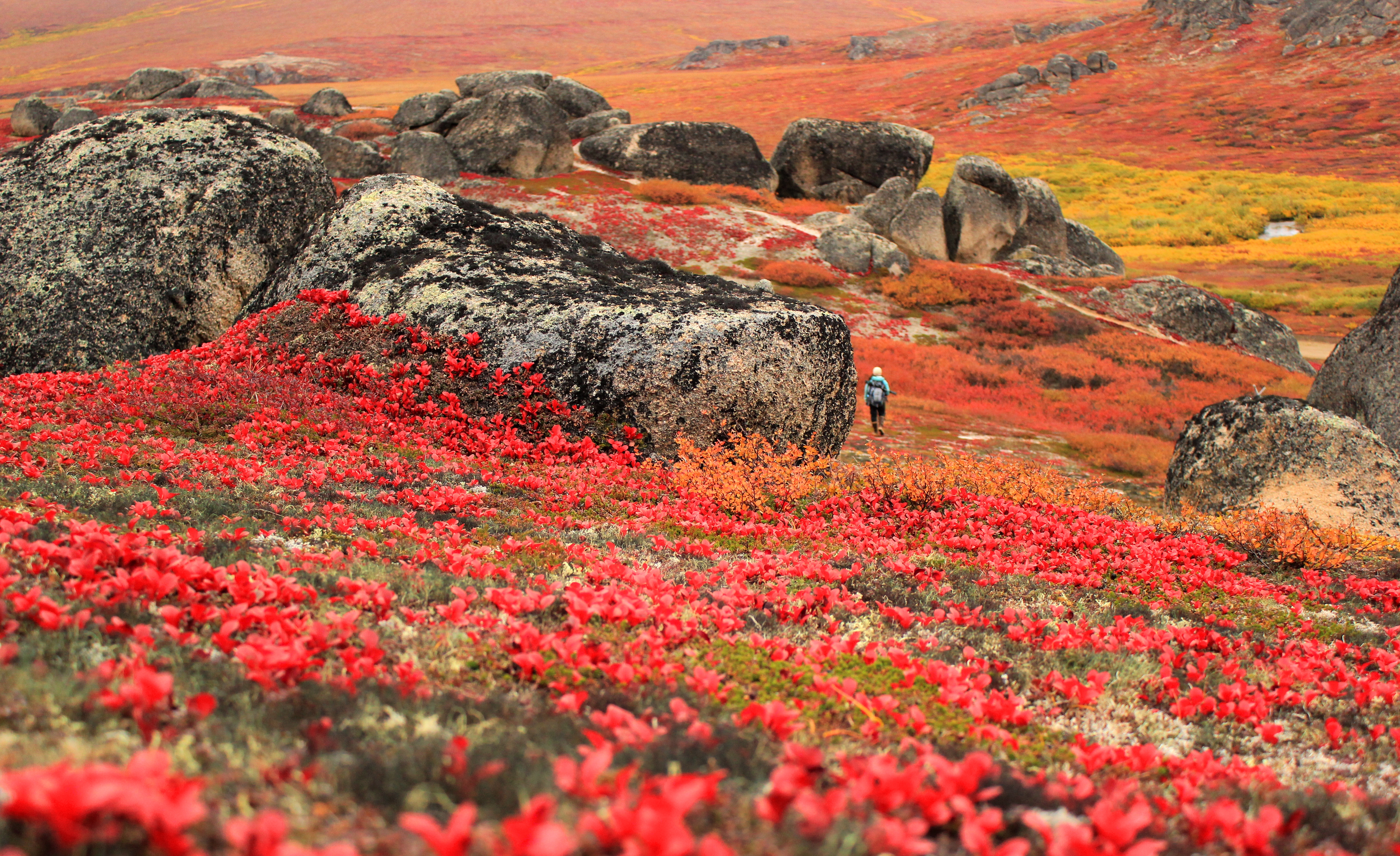
Bering Land Bridge National Preserve deserves a traveler’s attention today because it asks us to think beyond the usual road-trip idea of a park. In northern Alaska’s Seward Peninsula, this is a vast, wild landscape at a continental crossroads—one that influenced the distribution of life in the Western Hemisphere during the Pleistocene Epoch. It is also a living homeland and vital landscape for Indigenous communities whose connections to this land reach back through many generations.
A landscape shaped by deep time and living connections
The preserve’s central distinction is its place in the story of the Bering land bridge, a region that profoundly influenced how life moved and spread across the Western Hemisphere. That history gives the landscape an enormous sense of scale, but Bering Land Bridge is not simply a place to contemplate the past. It remains ecologically healthy, wild, and deeply relevant to the people who depend on the land today.
We can approach this preserve with curiosity and humility. Its significance comes from the meeting of natural history, geography, and Indigenous continuity—not from a checklist of roadside stops or a quick overlook. For travelers seeking a national preserve that feels genuinely outside the familiar, this is a compelling place to begin.
Quick take
Bering Land Bridge National Preserve is a remote Seward Peninsula landscape where Pleistocene history, ecological health, and enduring Indigenous connections meet. Reaching it takes planning, but that remoteness is fundamental to the experience.
What a visit feels like
This is not a preserve built around easy access from a highway. There are no roads or trails into the parklands, so a visit begins with accepting that logistics will shape the day as much as the destination does. The preserve’s location in the northern Seward Peninsula makes it feel removed from the standard rhythm of national-park travel.
That remoteness is part of the appeal. Rather than arriving with a fixed itinerary, we should expect to consider our own resources and abilities, then build a plan accordingly. The result can be a more intentional kind of travel: one focused on the character of the landscape and the practical realities of being in western Alaska.
Two meaningful ways to start
For many travelers, Nome is the essential first stop. The Bering Land Bridge Heritage Center is located there, offering a natural place to orient ourselves to the preserve before considering onward travel. Nome is not connected to Alaska’s road system, so commercial flight is the stated way to reach the community.
The Bering Land Bridge Visitor Center is also in Nome, about a mile from Nome Airport. Even if our time is limited or our plans do not extend into the preserve’s parklands, beginning in Nome helps put the destination in context. It also underscores an important truth about this place: access is not incidental; it is part of the experience.
Plan for weather, distance, and flexibility
The Seward Peninsula generally has long, freezing winters and short, cool summers. Coastal areas typically experience milder weather, while the interior has greater seasonal variation in both temperature and precipitation. We should plan around those broad conditions rather than expect a single predictable weather pattern across the region.
Allow more time than we might for a conventional park visit. Travel to Nome alone requires a commercial flight, and reaching parklands depends on individual resources and abilities because there are no roads or trails into them. A thoughtful visit may range from time in Nome to a more involved backcountry-oriented plan, but either way, flexibility is essential.
- Fly commercially to Nome; it is not on the road system.
- Use Nome as the practical starting point for the Heritage Center and Visitor Center.
- Plan for long freezing winters or short cool summers, with variable conditions across the peninsula.
Bering Land Bridge National Preserve rewards travelers willing to slow down, plan carefully, and let the landscape set the terms. Its value is not in convenience. It is in encountering a wild place whose ecological and cultural significance stretches far beyond the edges of a typical map.
Before you go
- Review official alerts, closures, hours, and reservation requirements.
- Allow extra travel time and keep an alternate plan.
- Use official NPS information as the final authority.
Sources
- Bering Land Bridge National Preserve — official National Park Service site — National Park Service, accessed 2026-10-09
Continue planning Bering Land Bridge
Learn more about Bering Land Bridge and find other helpful guides, trails, and trip information in the ParkQwest guide.
ParkQwest is a QwestLyfe Community.
QwestLyfe helps you track your lifelong bucket lists, collections, recipes, and the places you've been. Document your experiences, add notes and pictures, and share them with your friends — and the world.