Glacier National Park: Family Adventure Guide
Plan with current information. Conditions, roads, services, fees, and rules can change. Verify details with the National Park Service before your visit.
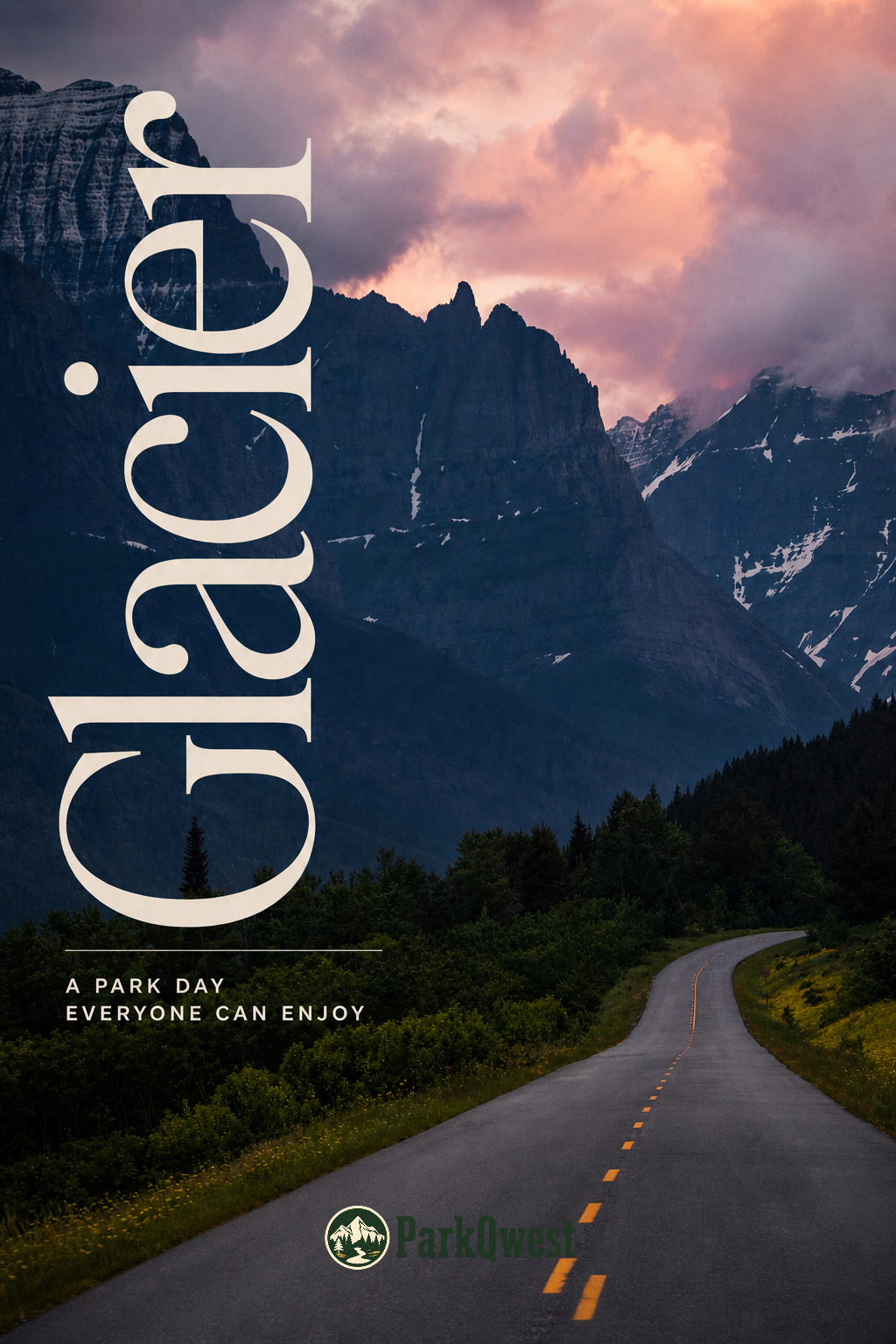
Glacier National Park works best for families when the day is built around a few high-value moments, not a packed checklist. This is a huge mountain park in northwest Montana, with more than 700 miles of trails, dramatic lakes and valleys, alpine meadows, historic lodges and chalets, and the famous Going-to-the-Sun Road. That scale is exciting, but it can also turn an otherwise good family trip into a long sequence of car rides, weather worries, and tired-kid negotiations. The practical approach: choose one area for the day, pair one active outing with one scenic stop, and leave room for snacks, bathrooms, and a change in conditions.
Plan Glacier in “Adventure Blocks,” Not All-Day Marathons
For many families, the sweet spot is a two-part day: a morning outdoor activity while energy is high, followed by a scenic drive, lakeside pause, historic building visit, or ranger-area stop later on. Children often remember the moments when they got to throw a stone in the water, spot a mountain goat-shaped cloud, or choose the next snack more clearly than the number of overlooks they covered.
Glacier’s weather deserves a real role in the plan. The park sits along the Continental Divide, where warm, wet Pacific air and cold, dry Arctic air can meet. A sunny morning can become windy, rainy, or chilly quickly, especially at higher elevations. Treat every outing as a layered-clothing outing, even if the forecast looks warm.
Quick take
A successful Glacier family day usually has one “must-do” activity, one flexible scenic option, and one easy exit plan. If the weather turns or moods dip, skipping the third stop is not a failed day—it is good pacing.
Use the 90-Minute Rule for Younger Kids
Families with toddlers, preschoolers, or easily car-sick riders can use a simple rhythm: aim for no more than about 60 to 90 minutes of one mode at a time. After driving, get out. After walking, sit somewhere with a view. After a visitor-center stop, give kids a chance to move before asking them to look at another exhibit.
- Morning block: A short walk, a shoreline stop, or a child-paced nature search.
- Midday block: Picnic, restroom stop, refill water, and a reset in the car or at a developed area.
- Afternoon block: A scenic portion of Going-to-the-Sun Road if conditions and access allow, a historic lodge or chalet exterior, or a second very short outing.
- Evening block: Dinner early enough that nobody is hungry during the drive back to lodging.
Older children and teens can stretch these blocks, but they still benefit from a role in the plan. Give them the map, ask them to compare two route options, or let them choose whether the second activity is water-focused, history-focused, or trail-focused.
Choose a Family Base Area Before You Choose Activities
Glacier is not a park where it makes sense to crisscross the map casually. Highway 2 runs along the park’s southern boundary, while Highway 89 provides access to the east side. The nearest airports are in Kalispell and Great Falls, but airport distance is only one part of the equation; road conditions, lodging location, seasonal access, and a child’s tolerance for driving matter just as much.
Start by deciding whether your family wants a road-and-views day, a lake-and-picnic day, or a short-hike day. Then use the official NPS page to confirm what areas, roads, visitor facilities, and services are available for your dates. Conditions and seasonal operations can change, so this is one part of Glacier planning that should never be assumed from an old social post.
| Family day style | Best for | Main tradeoff |
|---|---|---|
| Scenic-drive day | Mixed ages, limited mobility, uncertain weather | Long vehicle time can wear down younger children |
| Short-trail day | Kids who need movement and families with a slower pace | Weather and trail conditions matter more |
| Visitor-center-plus-outdoors day | First visits, rainy periods, Junior Ranger-minded kids | May feel less “big adventure” to older teens |
Let Kids Lead the Day in Small, Useful Ways
Children do not need to decide the whole itinerary to feel invested. Give them choices with boundaries. “Do you want the water stop before lunch or after lunch?” is more workable than “What do you want to do today?” A little ownership reduces resistance when adults need to make the safety calls.
A Glacier Junior Explorer Kit
- Nature bingo: Make a simple card with categories rather than promises: a waterfall, a bird, a red rock, a tiny flower, a bridge, a snow patch, or an interesting cloud.
- Map navigator: Let one child follow the day’s route and announce the next planned stop.
- Weather watcher: Ask a child to notice temperature changes, wind, cloud layers, and which clothing layer they need.
- Photo assignment: Give older kids a theme—“evidence of water,” “things shaped by ice,” or “three views that make the mountains look different.”
- Park booklet check: Ask at a visitor center whether a Junior Ranger activity, youth booklet, ranger talk, or other family program is currently available. Do not build the day around a specific offering until you have confirmed it.
That last point matters: visitor centers can be particularly valuable with children because they may offer maps, exhibits, park orientation, and current-condition advice. But services, hours, and programs vary. Check the official NPS site shortly before arrival, then ask staff what is practical for your family’s age range that day.
Quick take
For kids, “I found it” is often more memorable than “I was told about it.” Build in a scavenger hunt, map job, weather role, or photo mission before you leave the car.
Make Breaks Part of the Itinerary
Facilities are not an afterthought in Glacier; they are part of family logistics. Before heading into a more remote stretch of the day, use available restrooms, refill water, distribute snacks, and make sure every child knows what outer layer is accessible. Do not assume food, fuel, indoor space, or restroom access will appear exactly when your family needs it.
A reliable break kit is more useful than overly specialized gear. Pack food that can be eaten without a table, a dry bag for wet layers, wipes, a small first-aid kit, sun protection, and one comfort item for the car. For babies and younger children, add spare clothes where you can reach them without unpacking everything.
What to Wear and Carry
- Footwear: Closed-toe shoes with grip are the sensible default for uneven ground, wet areas, and short trails.
- Layers: Start with a breathable base layer, then add an insulating layer and a rain- and wind-ready outer layer as needed.
- Water: Carry more than you think the family will want during a short outing, particularly when the sun is out or the route gains elevation.
- Food: Bring a “now snack” and a “morale snack.” The second is reserved for the delayed lunch, wet socks, or unexpectedly long drive.
- Wildlife awareness: Teach children to stay close, never approach animals, and keep food managed. Review current NPS safety guidance before the trip.
Rainy-Day and Low-Energy Backups That Still Feel Like Glacier
A weather change does not automatically mean returning to lodging. It may mean shifting from a trail goal to a park-learning day with outdoor windows. Visit a staffed park facility if one is open, browse exhibits, pick up an updated map, and use short breaks in the weather for a viewpoint, a lakeside stop, or a walk around a developed area.
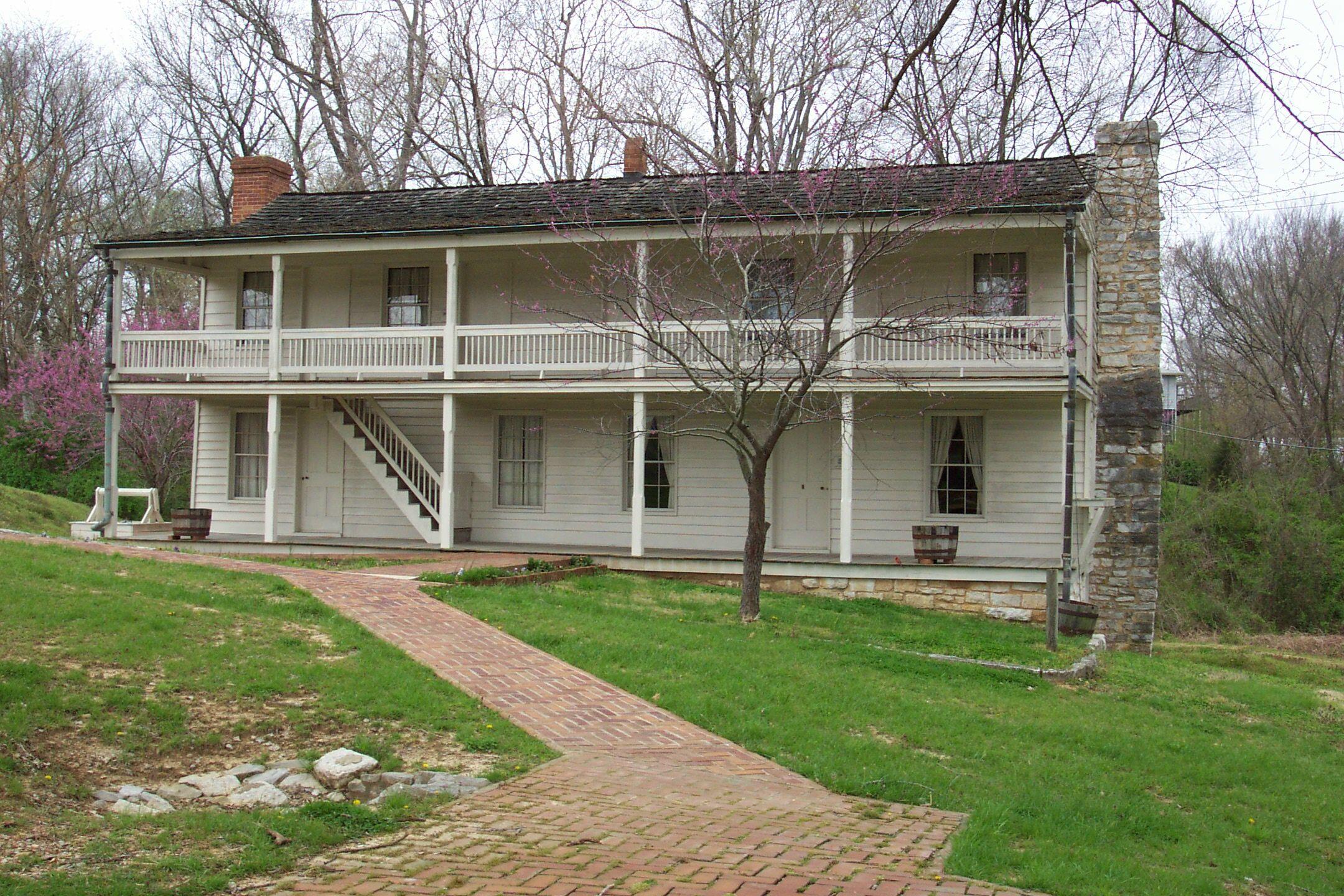
Historic lodges and chalets are part of Glacier’s story, but access and services can vary. If a building is open and appropriate for visitors, it can provide a useful change of pace between outdoor activities; if not, treat it as a scenic or cultural reference point rather than a guaranteed indoor plan. The official NPS page is the best source for current details.
A Realistic Family-Day Outline
- Start early enough to avoid a rushed launch. Eat, fill water bottles, use restrooms, and agree on the day’s one must-do before getting in the car.
- Choose one active morning stop. Keep the goal modest: a short walk, a water-view stop, or a child-led nature activity.
- Take a real lunch break. This is the moment to change socks, add layers, check the weather, and decide whether afternoon plans still make sense.
- Use the afternoon for scenery or interpretation. Consider a road segment, visitor-center stop, historic area, or another brief outing rather than a second ambitious hike.
- End before everyone is depleted. Leave enough time for dinner, bath time, and a calm recap of the day’s favorite sighting.
Glacier National Park rewards families who leave space between the highlights. A child who has time to watch changing clouds over a lake, inspect a patch of wildflowers, or help read the map is not “missing” the park. They are experiencing it at a pace that makes the next day possible.
Before you go
- Review official alerts, closures, hours, and reservation requirements.
- Allow extra travel time and keep an alternate plan.
- Use official NPS information as the final authority.
Sources
- Glacier National Park — official National Park Service site — National Park Service, accessed 2026-08-16
Continue planning Glacier
Learn more about Glacier and find other helpful guides, trails, and trip information in the ParkQwest guide.
ParkQwest is a QwestLyfe Community.
QwestLyfe helps you track your lifelong bucket lists, collections, recipes, and the places you've been. Document your experiences, add notes and pictures, and share them with your friends — and the world.