
Zion National Park: Family Adventure Guide
Plan with current information. Conditions, roads, services, fees, and rules can change. Verify details with the National Park Service before your visit.
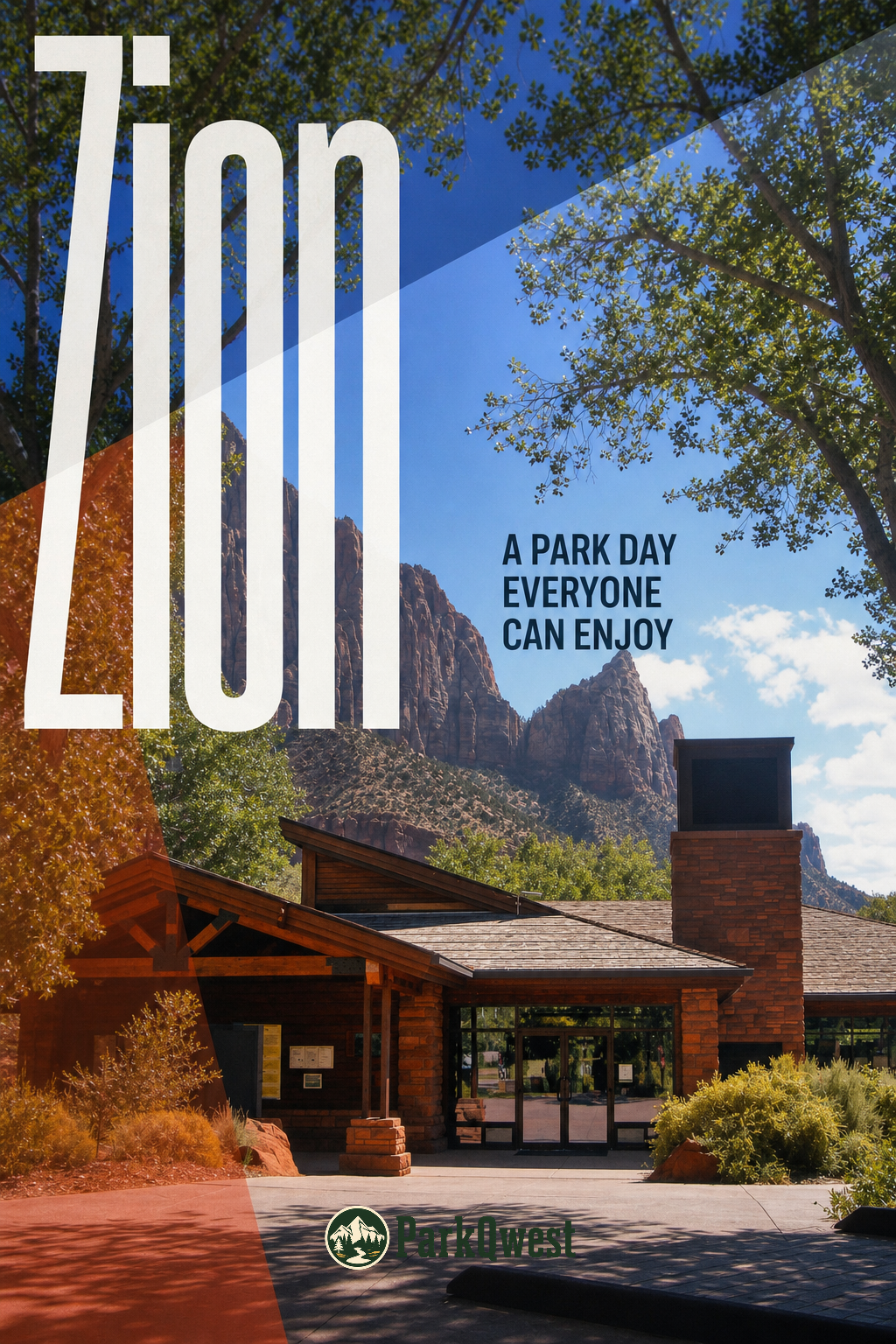
Zion National Park works best for families when you treat it as a series of small wins, not one enormous hiking day. The cliffs, canyon walls, and changing colors are dramatic enough that children do not need to cover huge mileage to feel like they have had a real adventure. Build your day around shade, water, restroom stops, shuttle timing, snack breaks, and one or two child-chosen goals. Zion’s South Entrance near Springdale is the usual starting point for Zion Canyon, where many popular hikes and campsites are located; for much of the year, the Zion Canyon Scenic Drive is served by shuttle buses boarded at the Zion Canyon Visitor Center.
Start With a Family-Sized Definition of “Adventure”
For adults, a successful park day can mean reaching a viewpoint or completing a favorite route. For kids, it may mean spotting a lizard, touching cool sandstone in the shade, riding the shuttle, or choosing the family’s snack stop. Give each child one job and one choice so the day feels shared rather than managed from the front seat.
- The navigator: Lets a child follow the park map, watch for the correct shuttle stop, or identify where the canyon narrows.
- The weather watcher: Assign an older child to check clouds, heat, and the day’s official alerts with an adult.
- The photo captain: Ask them to collect three photos: “the biggest wall,” “the smallest plant,” and “our family break.”
- The turn-around caller: Let a child select the return point before you begin a short walk. This is especially useful with mixed ages and energy levels.
This approach prevents a common family-travel trap: adults pushing onward because the destination is close while younger hikers are already hot, hungry, or done. In Zion, simply looking up at the cream, pink, and red sandstone cliffs can be the activity. A twenty-minute pause in a safe, shaded place may be more memorable than another mile.
Quick take
Plan one “anchor” experience for the day—such as a scenic shuttle ride, a short family walk, or time at the visitor center—then leave room for two smaller discoveries. Families usually enjoy Zion more when the schedule has a built-in exit ramp before anyone reaches meltdown territory.
Use the Visitor Center as Your First Reset Point
The Zion Canyon Visitor Center is more than a transportation stop. It is a sensible first stop for bathrooms, orientation, current conditions, and a quick reality check on weather, crowds, closures, and shuttle operations. Do not make a route decision from an old social post or saved pin alone; conditions can change with heat, storms, maintenance, and seasonal operations.
If your children enjoy collecting badges, completing activities, or talking with rangers, ask at the visitor center whether a Junior Ranger opportunity is currently available and what is required that day. Programs and materials can change, so it is better to frame this as a possible bonus than a promise. Even without a formal activity, children can make their own “junior naturalist” list: three colors of rock, two animal signs, and one question to research later.
A Five-Minute Family Huddle Before Boarding
- Choose a turnaround rule: “We head back when water reaches this mark,” “when the timer rings,” or “when the youngest person says they are tired.”
- Agree on the next stop: Kids handle transitions better when they know whether the next goal is lunch, a restroom, a shuttle ride, or a walk.
- Review the heat plan: Decide where you will refill water, when you will seek shade, and what “too hot” means for your group.
- Set a reunion habit: In busy areas, point out a clear meeting place and make sure children know to stay with an adult if separated.
Build Your Day in Short Loops, Not One Long March
Zion Canyon is well suited to a “move, pause, move” rhythm. The shuttle can turn transportation into part of the adventure, especially for children who tire of walking but still want to see the canyon change around them. Since the Zion Canyon Scenic Drive is only open to shuttle buses for most of the year, verify the current transportation plan on the official NPS page before arrival.
| Family energy level | Best day shape | What to protect |
|---|---|---|
| High-energy older kids | Early outdoor block, long midday reset, shorter late outing | Water, shade, and a conservative turnaround time |
| Mixed ages | Scenic ride plus one short walk chosen together | Bathroom access and snack timing |
| Toddlers or low-energy day | Visitor center, shuttle ride, brief exploration, long rest | Stroller/carrier needs and leaving before everyone overheats |
Think in 45- to 90-minute activity blocks. A block might include a shuttle ride, a short walk, ten minutes of looking at the canyon, and a snack. If everyone is still cheerful, add another block. If not, returning to your lodging, campground, or a shaded resting spot is not “wasting” Zion; it is how you preserve enough energy for a better afternoon or tomorrow.
Heat, Storms, and the “No Negotiation” Safety Calls
Zion has a wide range of weather conditions, and temperatures change with elevation as well as between day and night. In summer, temperatures often exceed 100°F (38°C), which changes what a reasonable family outing looks like. In hot weather, put your most active time early, reduce the middle of the day, and carry more water than feels convenient.
From mid-July into September, monsoons increase the risk of flash floods. Narrow canyon settings are not places to “wait and see” when storms are a concern; check official forecasts and alerts before heading out, and follow all closures and ranger guidance. Lightning is also a reason to move away from exposed locations and into a safer plan rather than trying to finish an itinerary.
Quick take
A flash-flood-aware family plan has a ready substitute: visitor-center time, a scenic shuttle ride if operating, a picnic or meal break outside the storm window, and a map-based planning session for the next day. Do not make a narrow-canyon outing the only thing that can make the day feel successful.
Pack for the Child Who Is Fine—Until Suddenly Not Fine
- Footwear: Closed-toe shoes with dependable traction are more useful than fashion-forward sandals on uneven ground.
- Sun protection: Bring hats, sunscreen, sunglasses if your child tolerates them, and a lightweight layer for changing conditions.
- Water and salty snacks: Give each person a recognizable bottle and offer drinks before complaints begin.
- Warm/dry backup: A light rain layer and spare socks can rescue a day after rain, splashy conditions, or a temperature drop.
- Small comfort kit: Include basic first aid supplies, wipes, a familiar snack, and a quiet distraction for shuttle lines or rest periods.
A Realistic Zion Family-Day Outline
Morning: Arrive with breakfast handled, use the visitor center for current information, and confirm the day’s transportation and weather picture. Let each child choose one thing to look for. Take the shuttle if it is operating and choose a manageable first exploration rather than committing immediately to an ambitious route.
Late morning: Pause before anyone asks. Eat, refill water where available, use restrooms when you see them, and decide whether to continue or return. This is the best point to let older children vote between a second short activity and a slower scenic ride.
Midday: Treat the hottest hours as recovery time, particularly in summer. Eat a real meal, get out of direct sun, review photos, work on a Junior Ranger activity if one is available, or simply rest. Young children often reset better with an unhurried hour than with another attraction.
Afternoon: Choose only one more goal: a short outing, a scenic drive segment if private vehicles are permitted under current operations, or a return shuttle ride. Families entering through the East Entrance should still verify current access and road conditions before relying on a through-park plan.
Evening: End while the group still likes one another. Ask everyone for a “best thing,” “hard thing,” and “tomorrow thing,” then use those answers to shape the next day. Zion National Park rewards families who notice more and rush less: towering canyon walls, changing light, plants and animals, and the simple satisfaction of following paths people have used for thousands of years.
Before you go
- Review official alerts, closures, hours, and reservation requirements.
- Allow extra travel time and keep an alternate plan.
- Use official NPS information as the final authority.
Sources
- Zion National Park — official National Park Service site — National Park Service, accessed 2026-10-07
Continue planning Zion
Learn more about Zion and find other helpful guides, trails, and trip information in the ParkQwest guide.
ParkQwest is a QwestLyfe Community.
QwestLyfe helps you track your lifelong bucket lists, collections, recipes, and the places you've been. Document your experiences, add notes and pictures, and share them with your friends — and the world.