Park of the Day: Fort Laramie National Historic Site
Plan with current information. Conditions, roads, services, fees, and rules can change. Verify details with the National Park Service before your visit.
A pivotal stop on the Northern Plains
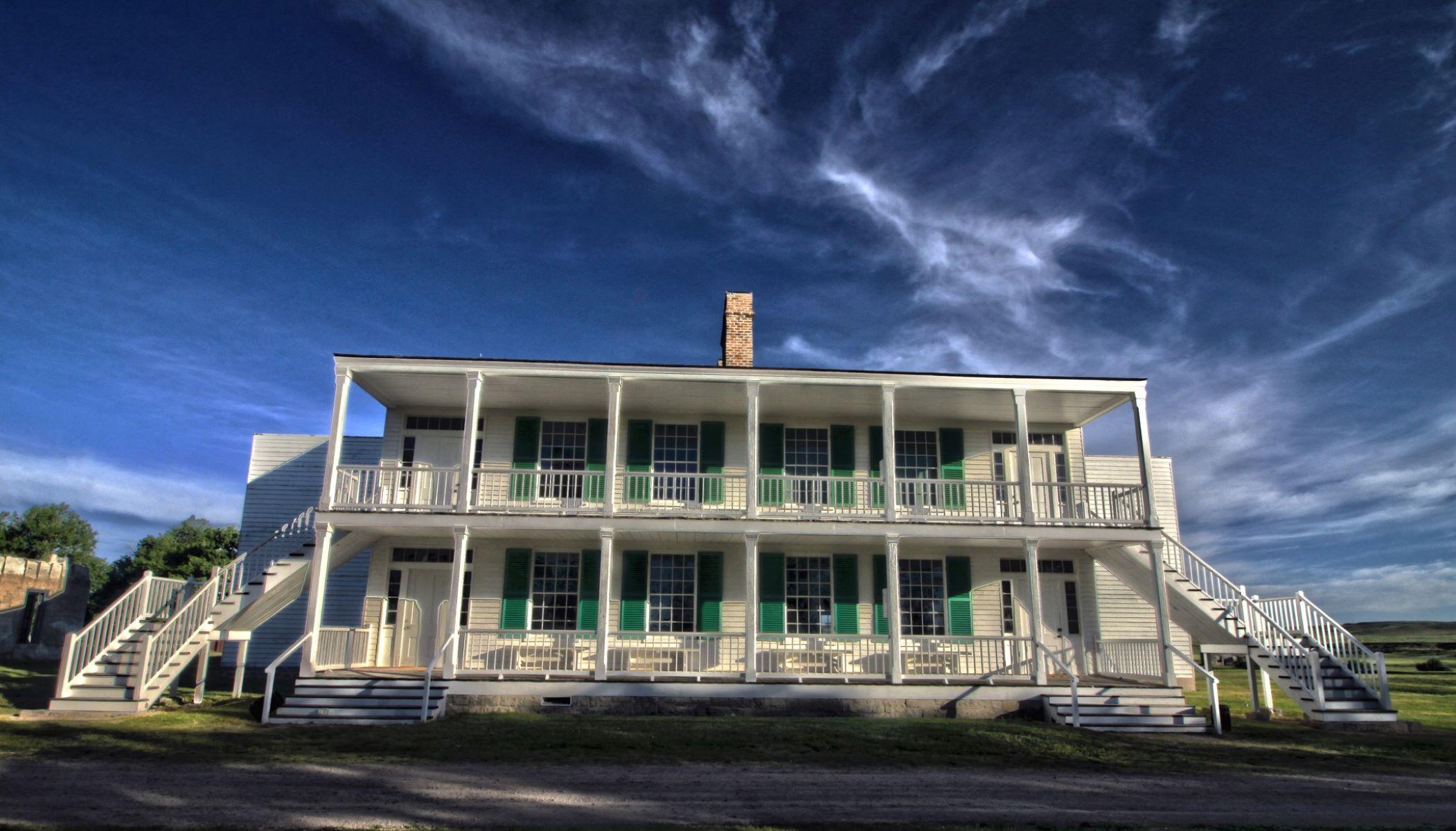
Fort Laramie National Historic Site deserves a traveler’s attention today because it brings a defining chapter of western history into focus in one place. Established first as a private fur trading fort in 1834, it later became the largest and best-known military post on the Northern Plains before it was abandoned in 1890.
Its story is not a simple tale of settlement moving west. Fort Laramie witnessed the broad sweep of America’s western expansion as well as Indian resistance to increasing encroachment on their territories, making it a place to approach with curiosity, attention, and room for reflection.
Quick take
Come to Fort Laramie for a grounded look at a place that changed from a fur trading fort into the Northern Plains’ best-known military post—and that stood at the center of profound conflicts over the future of the West.
Why Fort Laramie stands apart
Nicknamed the “Grand Old Post,” Fort Laramie holds an unusually broad historical frame. Its years of operation span the fur trade, the growth of military presence on the plains, and the deeply consequential clashes created by westward expansion.
That long arc is what makes a visit distinctive. Rather than focusing on a single moment, the site invites us to consider how one location could take on changing roles over more than five decades, from its founding in 1834 to its abandonment in 1890.
What a visit feels like
A visit here is best approached at a measured pace. The value is in pausing over the scale of the history: this was once a major military post in a region shaped by movement, pressure, resistance, and competing visions of land and territory.
We can let the setting do some of the work, too. Fort Laramie sits in southeast Wyoming, where the open, semi-arid climate is part of the practical experience of being outdoors on the Northern Plains. Breezes are common throughout the year, so even a fair-looking day can feel different than expected.
Two ways to make the most of it
First, arrive with the site’s changing identity in mind. Thinking of Fort Laramie first as a private fur trading fort and then as a major military post gives the visit a useful throughline, while also underscoring that the expansion of the United States brought grave consequences for Native peoples resisting incursions into their territories.
Second, allow time to slow down rather than treating the site as a quick roadside stop. A few unhurried hours gives us space to absorb the larger story without trying to reduce it to a single heroic narrative or a checklist of dates.
Plan the practical details
Fort Laramie National Historic Site is about 125 miles southeast of Casper, 100 miles north of Cheyenne, and 55 miles west of Scottsbluff, Nebraska. From Interstate 25, take Exit 92 to U.S. Highway 26, continue east to the town of Fort Laramie, then turn right onto State Route 160 and travel three miles to the park entrance.
Coming from Scottsbluff on westbound U.S. 26, continue to the town of Fort Laramie, turn left onto State Route 160, and proceed three miles to the entrance. That final approach is simple, but it is worth checking your route before setting out across this wide-open part of Wyoming.
Choose your season with care
Summer can bring days above 100°F (37°C), although average highs are generally in the 80s and 90s°F (30–35°C). Nights are cool, humidity is low, and roughly 70 percent of annual precipitation arrives as thunderstorms during spring and early summer.
Winter demands a different level of preparation: conditions are often bitterly cold and windy, with subzero wind chills possible. The region has a distinct winter dry season, and winter winds can approach hurricane strength, so layers and wind protection matter in every season.
Before heading out, consult the official Fort Laramie National Historic Site page for current visitor information and conditions. With flexible timing and weather-ready clothing, we can give this consequential place the attention its history deserves.
Before you go
- Review official alerts, closures, hours, and reservation requirements.
- Allow extra travel time and keep an alternate plan.
- Use official NPS information as the final authority.
Sources
- Fort Laramie National Historic Site — official National Park Service site — National Park Service, accessed 2026-10-05
Continue planning Fort Laramie
Learn more about Fort Laramie and find other helpful guides, trails, and trip information in the ParkQwest guide.
ParkQwest is a QwestLyfe Community.
QwestLyfe helps you track your lifelong bucket lists, collections, recipes, and the places you've been. Document your experiences, add notes and pictures, and share them with your friends — and the world.