
Park of the Day: Cane River Creole National Historical Park
Plan with current information. Conditions, roads, services, fees, and rules can change. Verify details with the National Park Service before your visit.
A place to understand Louisiana’s layered past
Cane River Creole National Historical Park deserves a traveler’s attention because it preserves a cultural landscape shaped by more than two centuries of shared history. In central Louisiana, generations of owners, enslaved people, workers, and tenants lived on these lands, often within the same family communities across many decades.
This is not a park defined by a single moment or one celebrated figure. Its significance lies in the long, complicated human story of the Cane River region and in the enduring Creole culture that developed there.
Two remarkably intact plantation landscapes
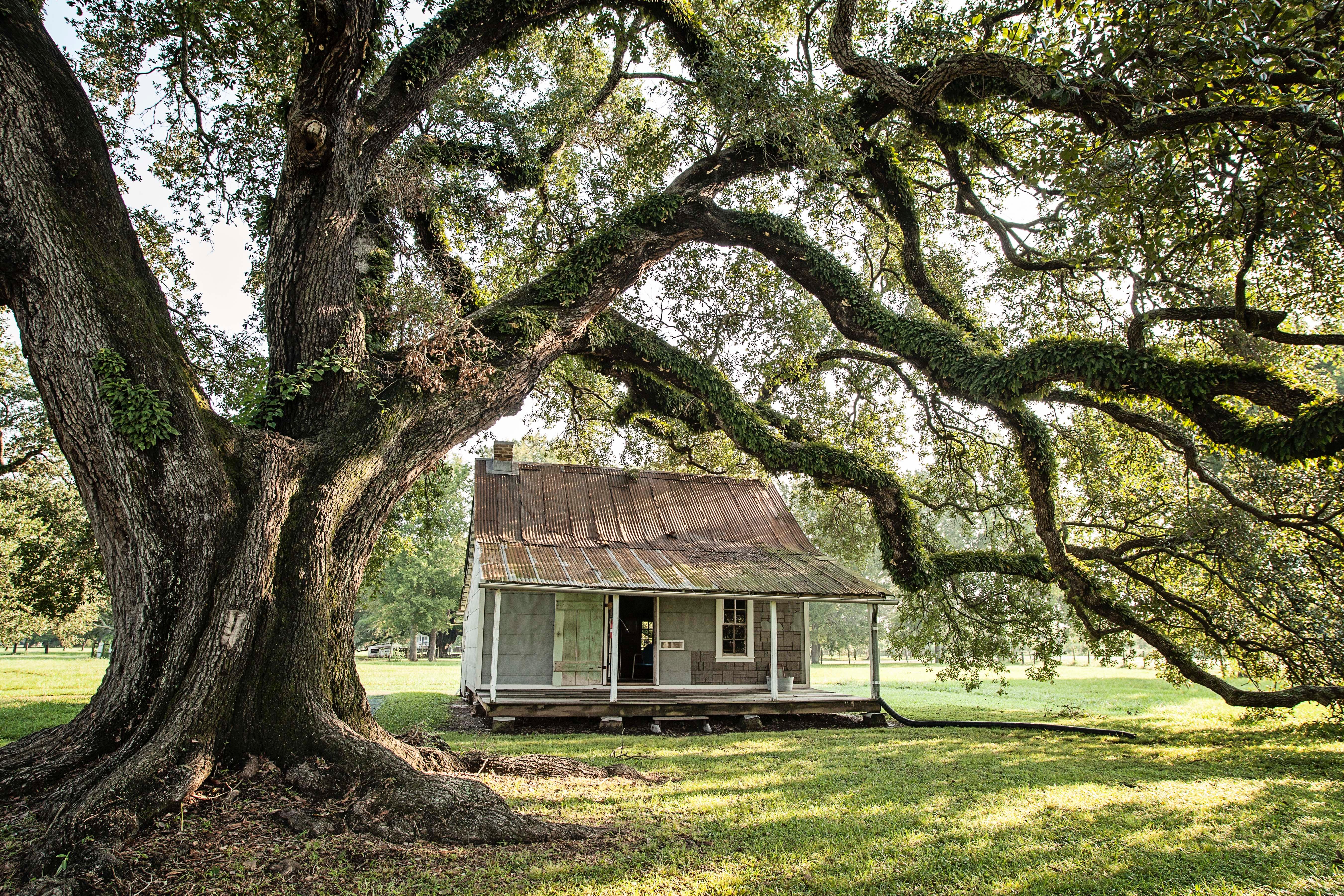
The park preserves Oakland Plantation and Magnolia Plantation, two of the most intact Creole cotton plantations in the United States. Together, they offer a powerful setting for considering how land, labor, family, and culture were intertwined in this part of Louisiana.
The NPS describes the Cane River region as home to a unique culture: the Creoles. A visit invites us to look beyond simplified plantation narratives and recognize the many people whose lives and work shaped these places over generations.
Quick take
Come for an essential look at Creole Louisiana and the layered histories of Oakland and Magnolia Plantations. Give yourself time to visit thoughtfully: this is a place best approached with curiosity, patience, and attention to whose stories are being preserved.
What a visit feels like
At Cane River Creole National Historical Park, the experience centers on place. Oakland and Magnolia are not simply historic buildings; they are cultural landscapes where the physical setting helps tell the stories of people who lived, worked, and endured there.
We can approach each plantation as an opportunity to slow down and consider continuity. The park’s central theme is not confined to the era of slavery or to plantation ownership alone, but includes the generations of enslaved people, workers, tenants, and owners connected to these lands.
That perspective makes the park especially meaningful for travelers interested in American history that is both local and national in significance. Cane River’s Creole heritage gives the visit a distinct Louisiana context, while its stories raise broader questions about labor, family, power, and memory.
Signature experiences: Oakland and Magnolia
The signature experience is visiting the park’s two preserved plantations and considering them together. Oakland Plantation and Magnolia Plantation are separate destinations, each reached by its own route, and each contributes to the larger story of the Cane River region.
Oakland offers an entry point into the park’s preservation of a Creole cotton plantation landscape. Magnolia adds another essential chapter, reinforcing the fact that the park’s history belongs to a region and to generations of connected people rather than to one site alone.
If time allows, plan your day around both locations rather than treating one as a substitute for the other. The value of the park comes from seeing how its two plantation landscapes collectively preserve the region’s cultural history.
Planning a practical visit
For Oakland Plantation, take I-49 to Exit 127 for Flora/Cypress, then head east on Louisiana Highway 120 toward Cypress. Cross LA Highway 1 onto LA Highway 494; the Oakland parking lot and entrance pavilion are 4.5 miles east of Highway 1 on the left.
For Magnolia Plantation, take I-49 to Exit 119 for Cloutierville, cross LA Highway 1 onto LA Highway 119, and continue for 1.1 miles. The visitor parking lot is on the right just before the plantation store.
Central Louisiana weather can be unpredictable, so check the local forecast before leaving. Summers are hot and humid, winters are relatively mild, and the region receives roughly 55 to 60 inches of rain annually; severe thunderstorms, hail, damaging winds, and tornadoes are also possible.
Bring water, consider a hat and umbrella, and build flexibility into your schedule. Whether visiting on a warm October day or during another season, allow enough time to travel between Oakland and Magnolia and to take in the stories held by both landscapes.
Before you go
- Review official alerts, closures, hours, and reservation requirements.
- Allow extra travel time and keep an alternate plan.
- Use official NPS information as the final authority.
Sources
- Cane River Creole National Historical Park — official National Park Service site — National Park Service, accessed 2026-09-28
Continue planning Cane River Creole
Learn more about Cane River Creole and find other helpful guides, trails, and trip information in the ParkQwest guide.
ParkQwest is a QwestLyfe Community.
QwestLyfe helps you track your lifelong bucket lists, collections, recipes, and the places you've been. Document your experiences, add notes and pictures, and share them with your friends — and the world.