
Park of the Day: San Juan Island National Historical Park
Plan with current information. Conditions, roads, services, fees, and rules can change. Verify details with the National Park Service before your visit.
A timely island escape with an unforgettable story
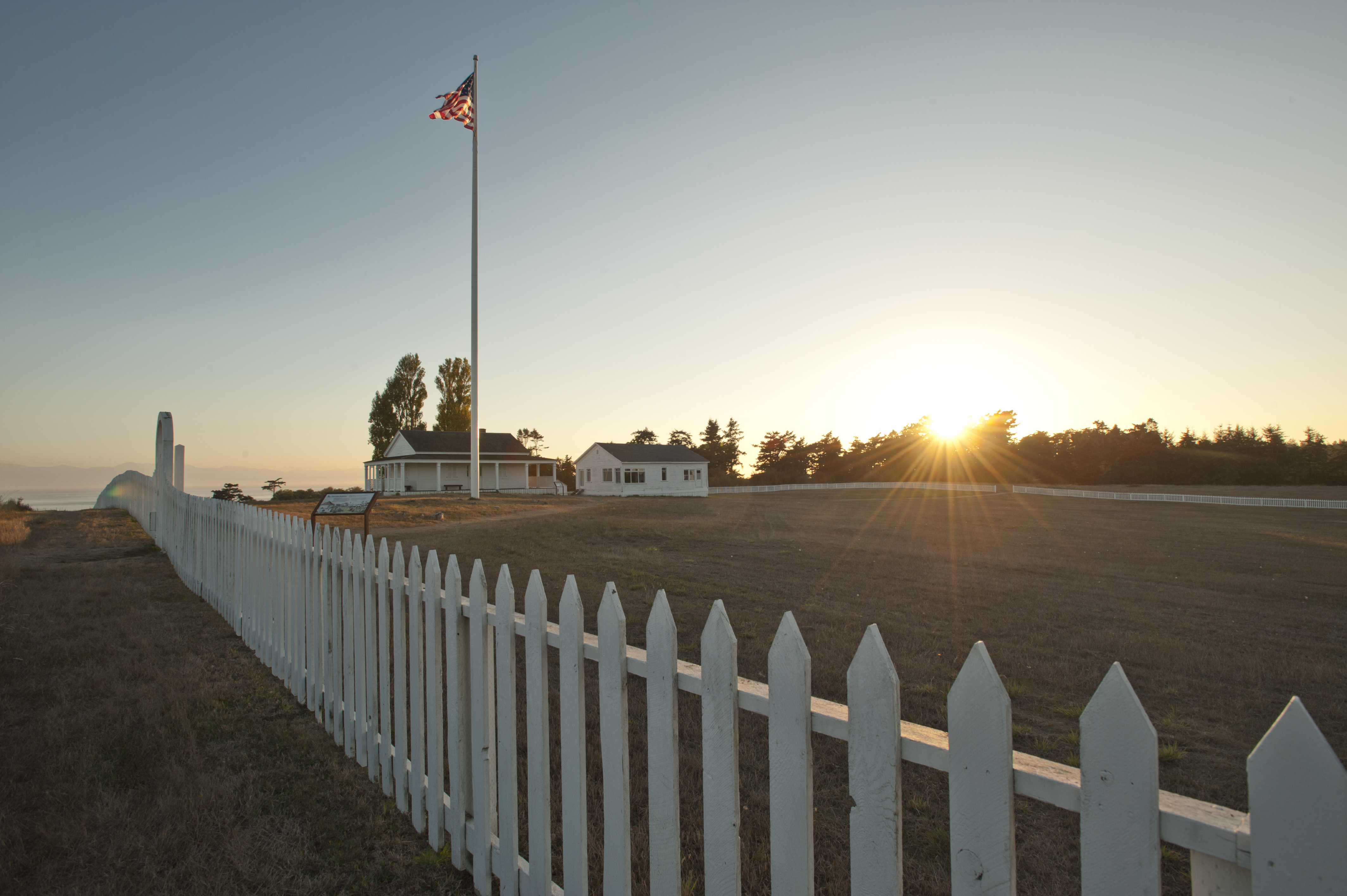
San Juan Island National Historical Park deserves a traveler’s attention today because it pairs wide-open coastal scenery with a history so improbable it still feels fresh: in 1859, the United States and Great Britain nearly went to war over possession of the island after the death of a pig. For an early-October visit, it is a place to slow down, watch the water and take in a landscape shaped by both natural beauty and international tension.
Set in Washington’s San Juan Islands, the park offers splendid vistas, saltwater shores and quiet woodlands, with one of the last remaining native prairies in the Puget Sound/Northern Straits region. It is the kind of destination where the setting does much of the work: broad views, changing light and the possibility of seeing orca whales offshore give a visit an appealing sense of discovery.
Quick take
Come for the saltwater views and quiet island atmosphere; stay for the remarkable story of a boundary dispute that nearly brought the United States and Great Britain to war.
Where a pig became part of world history
The park’s defining historical moment began in 1859, when the United States and Great Britain both claimed possession of San Juan Island. The crisis was ignited by the death of a pig, an incident that escalated into a serious dispute between two nations.
That contrast is what makes this historical park distinctive. We are not simply visiting a scenic island or reading a distant chapter of diplomatic history; we are standing in the landscape where an unlikely event became part of a much larger contest over borders, territory and national power.
What the visit feels like
A day here can feel both expansive and intimate. Saltwater shores invite us to pause and look outward, while quiet woodlands and native prairie bring the experience back to the details of the island itself.
The park also rewards unhurried attention. Views can be the centerpiece, but so can the simple rhythm of moving between shore, woodland and prairie while considering how close this peaceful setting came to international conflict.
Wildlife adds another dimension. San Juan Island is known for orca whales, and the possibility of seeing them is part of the park’s appeal, though wildlife sightings are never something we can promise or plan around.
Two reasons to make the trip
First, make time for the vistas and saltwater setting. The park’s scenic character is not an extra beside the history; it is essential to understanding why this island mattered and why it remains memorable today.
Second, seek out the native prairie landscape. As one of the last remaining native prairies in the Puget Sound/Northern Straits region, it offers a meaningful counterpoint to the island’s shores and woodlands—and a reminder that the park protects more than a single historical episode.
Planning an October visit
Fall temperatures usually range from 40 F to 65 F, and rain is common. We would pack layers and dependable rain gear, especially if we plan to spend time outdoors near the shore, where wind can make a mild day feel cooler.
San Juan Island is served by Washington State Ferries, several private cruise and shuttle craft, and two air carriers, one of which provides both land and seaplane service. The Washington State Ferries terminal is in Anacortes, Washington, about 85 miles north of Seattle and 90 miles south of Vancouver, British Columbia.
Because reaching the island is part of the journey, give the visit enough time to feel like more than a quick stop. A relaxed day allows room for travel, changing weather and time to absorb both the scenery and the extraordinary history that unfolded here.
A park for travelers who like context
San Juan Island National Historical Park is especially rewarding for travelers who want a destination to offer more than a beautiful view. Here, the views are real, the shores are inviting, and the story is unexpectedly consequential.
On October 2, it is an excellent prompt to trade a rushed itinerary for an island day shaped by coastal weather, open horizons and one of America’s most unusual near-war stories.
Before you go
- Review official alerts, closures, hours, and reservation requirements.
- Allow extra travel time and keep an alternate plan.
- Use official NPS information as the final authority.
Sources
- San Juan Island National Historical Park — official National Park Service site — National Park Service, accessed 2026-09-25
Continue planning San Juan Island
Learn more about San Juan Island and find other helpful guides, trails, and trip information in the ParkQwest guide.
ParkQwest is a QwestLyfe Community.
QwestLyfe helps you track your lifelong bucket lists, collections, recipes, and the places you've been. Document your experiences, add notes and pictures, and share them with your friends — and the world.