
Shenandoah National Park: 3-Day Itinerary
Plan with current information. Conditions, roads, services, fees, and rules can change. Verify details with the National Park Service before your visit.

Shenandoah National Park is best planned as a long, slow ridge trip rather than a checklist of overlooks. The park stretches 105 miles through Virginia’s Blue Ridge Mountains, with four entrances—Front Royal, Thornton Gap, Swift Run Gap, and Rockfish Gap—and conditions can feel notably different from one end to the other. This three-day itinerary divides the park into north, central, and south sections so you spend less of the day doubling back, build in recovery time between walks, and leave room for the weather that makes Shenandoah beautiful and occasionally complicated.
Quick take
Use this as a north-to-south route if your lodging and transportation allow it: begin near Front Royal or Thornton Gap, continue through the central park, and finish near Swift Run Gap or Rockfish Gap. If you must return to the same lodging each night, keep the same daily themes but expect more driving and choose fewer stops.
Before Day 1: Set up the route, not a rigid schedule
Shenandoah’s elevation is part of the planning equation. The mountain is usually about 10°F cooler than the valley below, and the park’s roughly 100-mile length means a dry morning at one end does not promise the same conditions farther south. Check the official NPS forecast, road status, and alerts before entering; GPS can be unreliable for navigating to the park, so use NPS directions rather than trusting a pin alone.
- Choose a directional plan: A north-to-south itinerary makes the most geographic sense, especially for a one-way trip. A round-trip version works best when you treat each day as a separate out-and-back from your lodging.
- Pack for transitions: Bring water, food, a rain layer, an insulating layer, and footwear with traction. Even a short overlook walk can be chilly, slick, or muddy after rain.
- Decide your hiking ceiling: Each day below offers a “main walk” category rather than a named trail. Use the current NPS trail information to select a route that matches your group’s fitness, daylight, and conditions.
- Protect the evening: Do not make every daylight hour a hiking hour. A short rest before sunset makes the final scenic stops more enjoyable—and reduces the temptation to drive tired after dark.
Day 1: Northern Shenandoah — get oriented, then earn your first views
Morning: Enter early and learn the rhythm of the ridge
Begin from the Front Royal entrance or Thornton Gap, depending on where you slept and how much of the northern section you want to cover. Make the first part of the morning intentionally light: a few roadside pull-offs, a short wooded walk, and time to understand road conditions, cloud cover, and how busy the park feels that day. This is not wasted time; it helps you choose a sensible longer walk rather than committing too quickly.
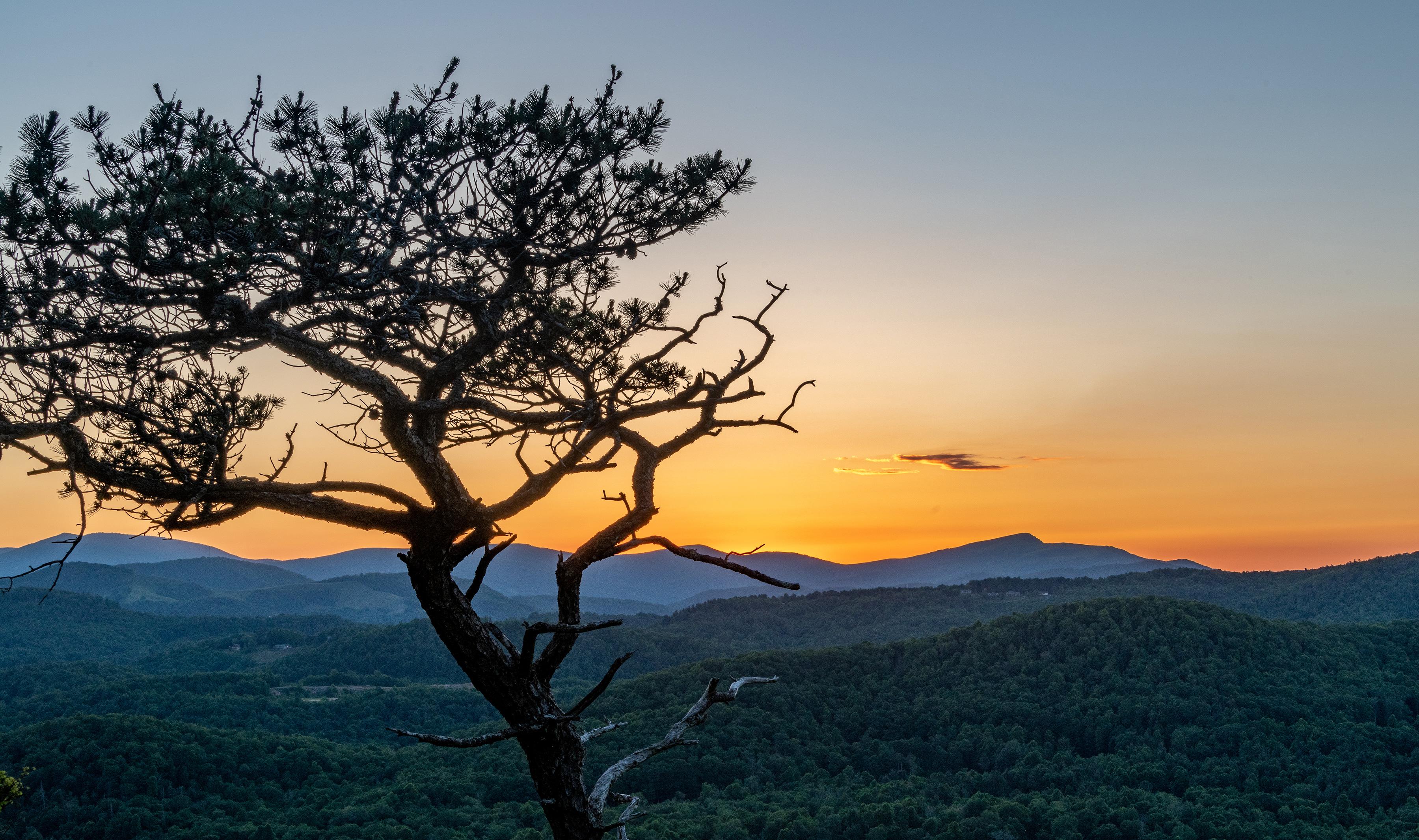
If the weather is clear, prioritize a viewpoint with an open western or eastern aspect, then take a short route through the forest. Shenandoah’s overlooks are often the easiest way to appreciate the scale of the Blue Ridge, but the wooded sections explain the park’s quieter appeal: over 200,000 protected acres of hollows, ridges, wildlife habitat, and changing seasonal vegetation.
Afternoon: One primary hike, then a real lunch break
Choose one moderate hiking objective for the middle of the day: either a waterfall-focused route, a forest-and-stream walk, or a climb to a higher viewpoint. Avoid trying to combine all three unless the official trail information shows that your chosen route is genuinely short and conditions are easy. Waterfall routes can be especially appealing in spring or after rain, but wet rock and mud can change the experience quickly.
Plan lunch immediately after the hike rather than eating hurriedly in the car beforehand. A packed lunch at a legal, designated stopping spot gives everyone time to cool down, refill water, and decide whether the afternoon should include another short walk or simply a sequence of overlooks. This is the day to learn whether your group prefers movement or scenery.
Evening: Keep sunset close to your overnight base
Use late afternoon for low-commitment stops and save one nearby overlook for the evening. The practical goal is to avoid finishing a long trail near dusk, when temperatures can drop and driving requires more attention. Have dinner near your planned overnight area or eat the meal you packed before leaving the park corridor, depending on what current services are available.
Alternate for rain, fog, or a northern closure
Make Day 1 a scenic orientation day. Skip exposed viewpoints if visibility is poor, favor short forest walks with secure footing, and spend more time at pull-offs only where it is safe to park and re-enter traffic. If access is limited, do not chase a specific location; use the official NPS alerts to shift your hiking day to the open section of the park.
Quick take
Day 1 should feel a little restrained. A modest first hike and an early evening give you a better chance of enjoying the middle of the park tomorrow instead of recovering from an overambitious start.
Day 2: The central park — make this your flexible “big nature” day
Morning: Start with the day’s highest-priority trail
The central section, broadly approached from Thornton Gap or Swift Run Gap, is the right place to schedule your most important outing. Choose one experience you would be disappointed to miss: a longer waterfall hike, a sustained ridge walk, or a route that combines woods and broad views. Start early enough that you are not forced to rush the descent, particularly if rain is possible later.
Before setting out, check the current NPS page for trail conditions, closures, and any advisories. A popular route may not be the best choice if parking is full, the trail is wet, or your group is already tired from Day 1. A less ambitious walk completed comfortably is better than turning a vacation day into a logistical problem.
Afternoon: Build in a split day
After the main hike, take a deliberate recovery window: lunch, dry socks if needed, water, and at least a short period off your feet. Shenandoah’s summer weather can be hot and humid despite cooler ridge temperatures, while spring rain and fall wind can drain energy faster than expected. This pause lets you evaluate whether the second half of the day should be a gentle stroll, scenic drive, or no additional hike at all.
For an active afternoon, choose a short trail with a different character from the morning—if you climbed for views earlier, look for a shaded woodland or streamside option. For a scenic afternoon, drive slowly through the open portion of the park and stop selectively rather than at every pull-off. The tradeoff is simple: fewer stops produce a calmer day and leave more time to notice changing light, wildflowers in season, and birdsong in the forest.
Evening: Eat before the last light fades
Day 2 is the one most likely to run long, so make dinner uncomplicated. Carry a backup meal even if you expect to purchase food outside the park, because services and hours can change. If skies are clear, choose a final viewpoint near where you will sleep; if clouds have settled in, call it an early night and protect tomorrow’s energy.
Alternate for thunderstorms, heat, or trail closures
Trade elevation gain for short, sheltered walks. In thunderstorms, avoid treating an exposed overlook as a destination. In oppressive heat or humidity, walk early, take a longer midday break, and reserve the late afternoon for a brief outing only if conditions improve. Check official alerts before moving between entrances, as a closure can make a seemingly simple reroute much longer than it appears on a map.
Day 3: Southern Shenandoah — scenic closure and a softer finish
Morning: Let the southern section set the pace
Approach the final day through the Swift Run Gap or Rockfish Gap area, with Rockfish Gap marking the southern entrance to Shenandoah and the northern entrance to the Blue Ridge Parkway. Because this is a departure day for many travelers, resist scheduling the hardest hike of the trip. Choose a moderate morning walk that offers the kind of ending you want: quiet woods, a stream or waterfall setting, or a final broad view if weather is clear.
This is also a good day for travelers who discovered on Days 1 and 2 that they prefer overlooks to mileage. Shenandoah does not require a long hike to feel meaningful; a sequence of carefully chosen stops, one short walk, and time to watch weather move across the mountains can be a complete final day.
Afternoon: Leave space for the exit
Eat lunch before beginning the longest part of your onward drive, then make only a few final stops. The southern park can lead naturally toward the Blue Ridge Parkway, but do not assume road conditions or connecting routes are open; verify current information through the official NPS page and the relevant road authority. If you are returning north instead, begin that drive with enough daylight to avoid a rushed exit.
Evening: Finish with a realistic handoff
The best final stop is the one that does not complicate your departure. If you have a long drive, choose a nearby overlook or short loop rather than one more ambitious trail. If you are staying nearby, use the evening for a relaxed meal, gear cleanup, and a final look at the forecast before any next-day travel.
Alternate for winter weather or low visibility
Winter can bring snow and ice, and fog can erase the long views that define many scenic stops. Make the final day a conservative one: confirm access before entering, avoid slick trails, keep extra warm layers handy, and be willing to end the park portion early. Shenandoah’s four distinct seasons reward preparation more than determination.
A three-day Shenandoah plan that still feels like a vacation
The useful version of this itinerary is not three maximum-effort days. It is one orientation day, one priority adventure day, and one unhurried exit day, arranged across the park’s north-to-south geography. That structure gives you room for waterfalls, vistas, wildflowers, wooded hollows, and the possibility of seeing deer, songbirds, or black bears—without treating wildlife as a promise or weather as an inconvenience to overpower.
Before you go
- Review official alerts, closures, hours, and reservation requirements.
- Allow extra travel time and keep an alternate plan.
- Use official NPS information as the final authority.
Sources
- Shenandoah National Park — official National Park Service site — National Park Service, accessed 2026-09-19
Continue planning Shenandoah
Learn more about Shenandoah and find other helpful guides, trails, and trip information in the ParkQwest guide.
ParkQwest is a QwestLyfe Community.
QwestLyfe helps you track your lifelong bucket lists, collections, recipes, and the places you've been. Document your experiences, add notes and pictures, and share them with your friends — and the world.