Park of the Day: Lake Clark National Park & Preserve
Plan with current information. Conditions, roads, services, fees, and rules can change. Verify details with the National Park Service before your visit.
Why Lake Clark deserves our attention today
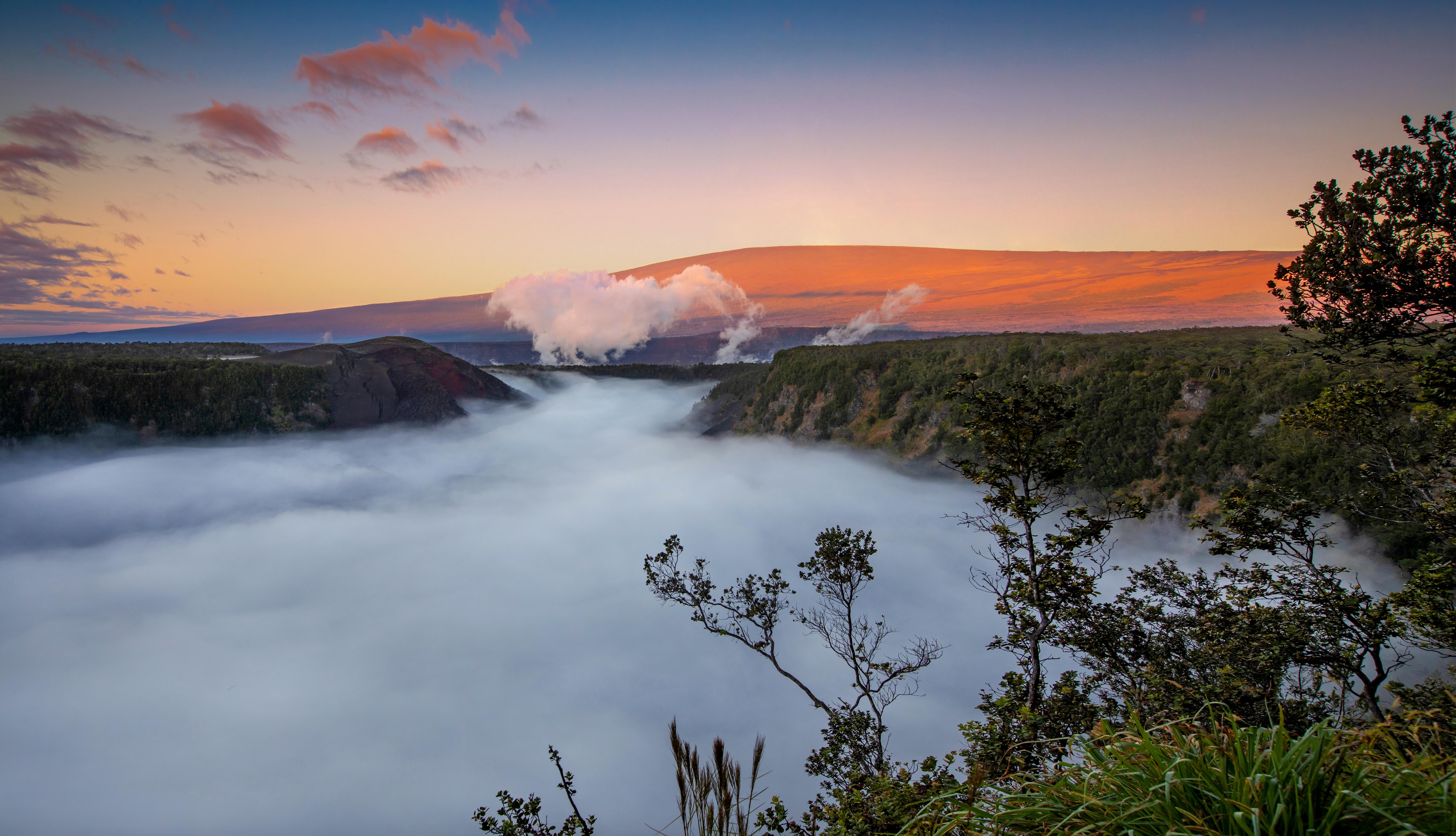
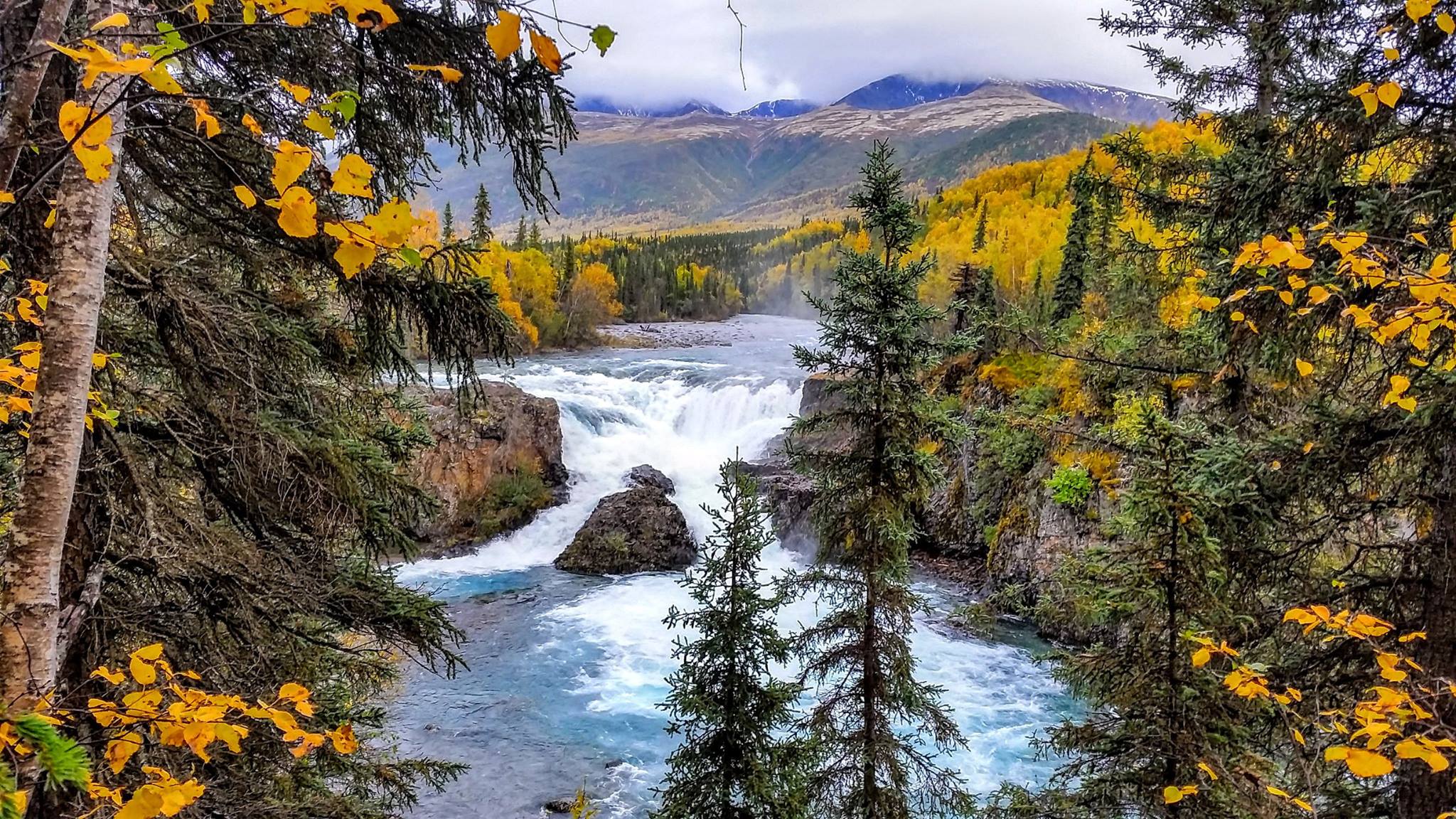
Lake Clark National Park & Preserve is worth putting on our radar today because it offers an Alaska wilderness experience shaped by water, mountains, wildlife, and living local connections to the land. On the Alaska Peninsula southwest of Anchorage, this is a place where steaming volcanoes, salmon runs, bears, and turquoise lakes are all part of the same vast landscape.
Late September is also a useful moment to think ahead: frost and snow can occur anywhere in the park at any time, and they are most common from September into early June. Lake Clark rewards travelers who are willing to plan around changing conditions rather than expect a conventional road-trip national park.
Quick take
Lake Clark is a fly-in or boat-in wilderness of volcanoes, lakes, salmon, bears, and mountain country—best approached with flexible plans and a willingness to let weather and access shape the day.
A park where the landscape sets the pace
Lake Clark’s distinctive character comes from its contrasts. Craggy mountains can reflect in shimmering turquoise lakes, while volcanoes steam across a landscape where salmon run and bears forage. It is a national park and preserve built around big natural processes, not around a road network or a single developed destination.
The park also holds an important human dimension. Local people and culture still depend on the land and water here, a reminder that this is not simply scenery to look at from a distance. A visit asks us to pay attention to a place where wilderness and everyday connections to natural resources remain closely linked.
What a visit feels like
Getting to Lake Clark is part of the experience. Since the park is not on the road system, we arrive by plane or boat, leaving behind the usual pattern of driving from overlook to overlook. A one- to two-hour flight from Anchorage, Kenai, or Homer can provide access to most points within Lake Clark.
Once there, the scale of the landscape becomes the itinerary. Lakes, rivers, beaches, gravel bars, and open ground may serve as potential fixed-wing landing areas when suitable and not closed or otherwise restricted. That flexibility underscores the park’s remote, self-directed character, while also making thoughtful planning essential.
Signature Lake Clark moments
A signature Lake Clark experience is simply taking in the meeting of mountains and water. The park’s official description evokes craggy peaks reflected in bright lakes, and that combination captures why this landscape stands apart. We come here not for a quick checklist, but for the chance to be present in a large, wild setting.
Another defining possibility is witnessing the interconnected life of the park: salmon running, bears foraging, and volcanoes steaming within the same region. Wildlife and volcanic activity are part of Lake Clark’s identity, but they are never a scripted performance. The better mindset is to travel with respect for the conditions and let the place reveal itself on its own terms.
Planning a practical visit
Start with access. Lake Clark lies southwest of Anchorage and north of Katmai National Park, and travelers must reach it by plane or boat because there is no road connection. Flights from Anchorage, Kenai, or Homer are the stated route to most points in the park, while boat travel may also provide access.
Weather planning matters in every season. Lake Clark has two distinct climate areas: the coast is wetter and milder, while the interior receives half to one fourth as much precipitation but has hotter summers and colder winters. Lakes typically begin freezing in November and melt in April, and ice conditions determine whether aircraft need floats or skis for lake landings.
For time, we should think in flexible blocks rather than a fast stop. Travel itself requires coordination, and changing weather and ice conditions can shape access. Before committing to details, consult the official park page at nps.gov/lacl and build enough room into the plan for this wilderness to set its own schedule.
Before you go
- Review official alerts, closures, hours, and reservation requirements.
- Allow extra travel time and keep an alternate plan.
- Use official NPS information as the final authority.
Sources
- Lake Clark National Park & Preserve — official National Park Service site — National Park Service, accessed 2026-09-18
Continue planning Lake Clark
Learn more about Lake Clark and find other helpful guides, trails, and trip information in the ParkQwest guide.
ParkQwest is a QwestLyfe Community.
QwestLyfe helps you track your lifelong bucket lists, collections, recipes, and the places you've been. Document your experiences, add notes and pictures, and share them with your friends — and the world.