
Park of the Day: George Rogers Clark National Historical Park
Plan with current information. Conditions, roads, services, fees, and rules can change. Verify details with the National Park Service before your visit.
A frontier victory with national consequences
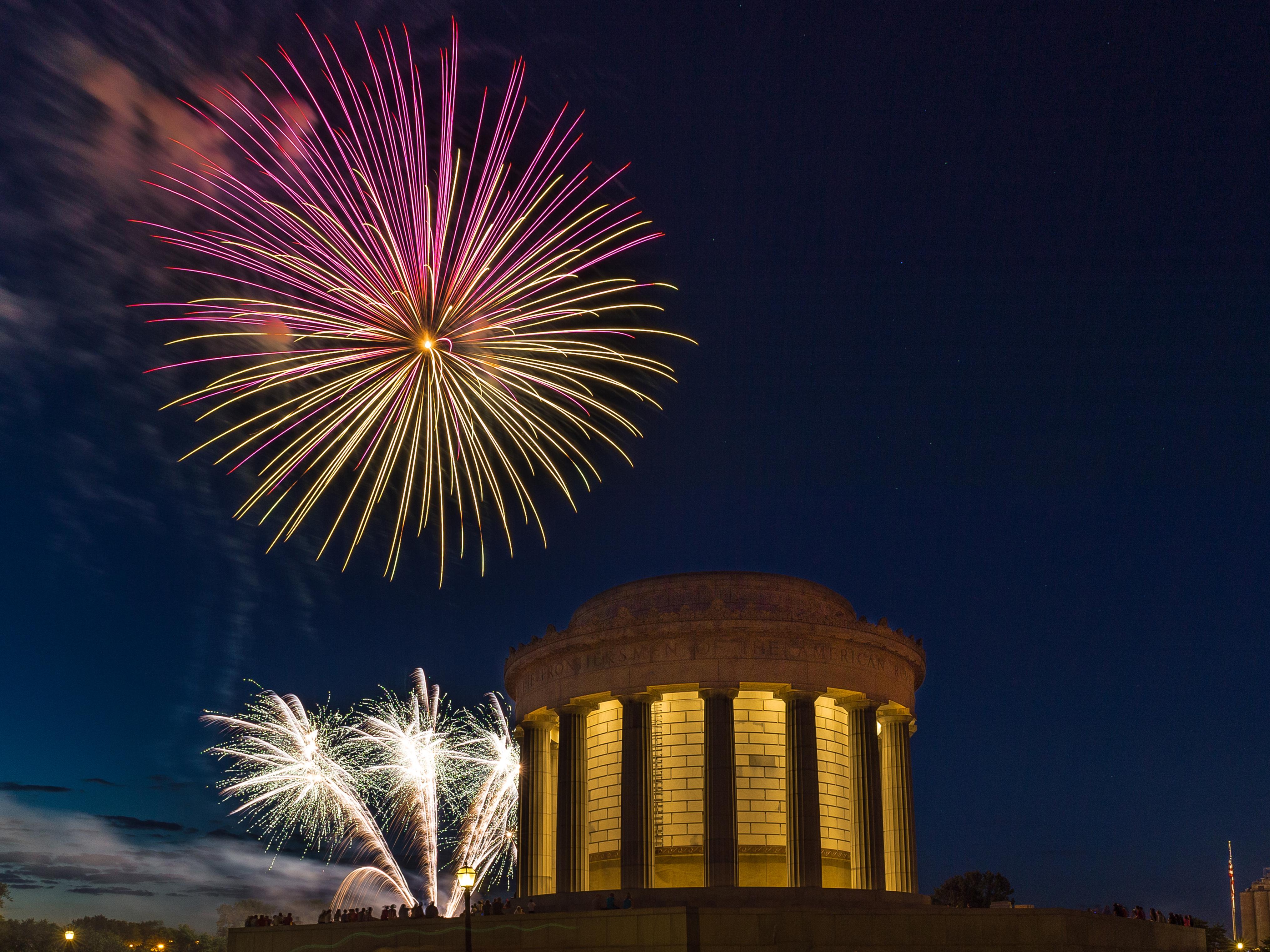
George Rogers Clark National Historical Park deserves a traveler’s attention today because it puts a pivotal Revolutionary-era victory into clear focus. In Vincennes, Indiana, the story centers on Feb. 25, 1779, when the British flag would not rise again above Fort Sackville and its garrison surrendered to American Colonel George Rogers Clark.
This was not simply a local turning point. The capture of the fort helped assure United States claims to a frontier region nearly as large as the original 13 states, making this a place to consider how one hard-won moment could shape the scale of a young nation.
Quick take
Come to George Rogers Clark National Historical Park for a concise, consequential chapter of American history: a winter campaign, the surrender of Fort Sackville, and a victory that strengthened United States claims to the frontier.
What makes the story distinctive
Clark’s victory is especially compelling because of the conditions behind it. His American army, aided by French residents of the Illinois country, marched through freezing floodwaters before reaching Fort Sackville. That detail gives the surrender a human scale: strategy mattered, but so did endurance, cooperation, and the willingness to continue through difficult winter conditions.
The park’s subject also connects several histories at once. It is a story of American military action, British control, French residents of the Illinois country, and the contested future of the frontier. We can arrive with a broad idea of the Revolution and leave thinking more closely about the western lands at stake.
A visit grounded in the moment
A visit here works best when we slow down and give the date its due: Feb. 25, 1779, at 10 A.M. The garrison’s surrender to Clark marked the end of a campaign carried out in freezing floodwaters and the beginning of a much larger consequence for United States territorial claims.
Rather than treating this as a stop defined only by a famous name, we can use it as an opportunity to follow the chain of events. Consider the British flag over Fort Sackville, the arriving American force, the support of French residents, and the surrender that changed control of the frontier. It is a focused historical story, but one with an expansive geographic result.
Two ways to make the stop meaningful
First, center the visit on the winter march. The official account’s image of an army moving through freezing floodwaters is an immediate reminder that this victory was achieved under conditions far removed from an easy march or a routine military operation.
Second, connect the fort’s capture to the map beyond Vincennes. The frontier area affected by the victory was nearly as large as the original 13 states, an arresting comparison that helps explain why this event remains important enough to be preserved as a national historical park.
Planning a Vincennes visit
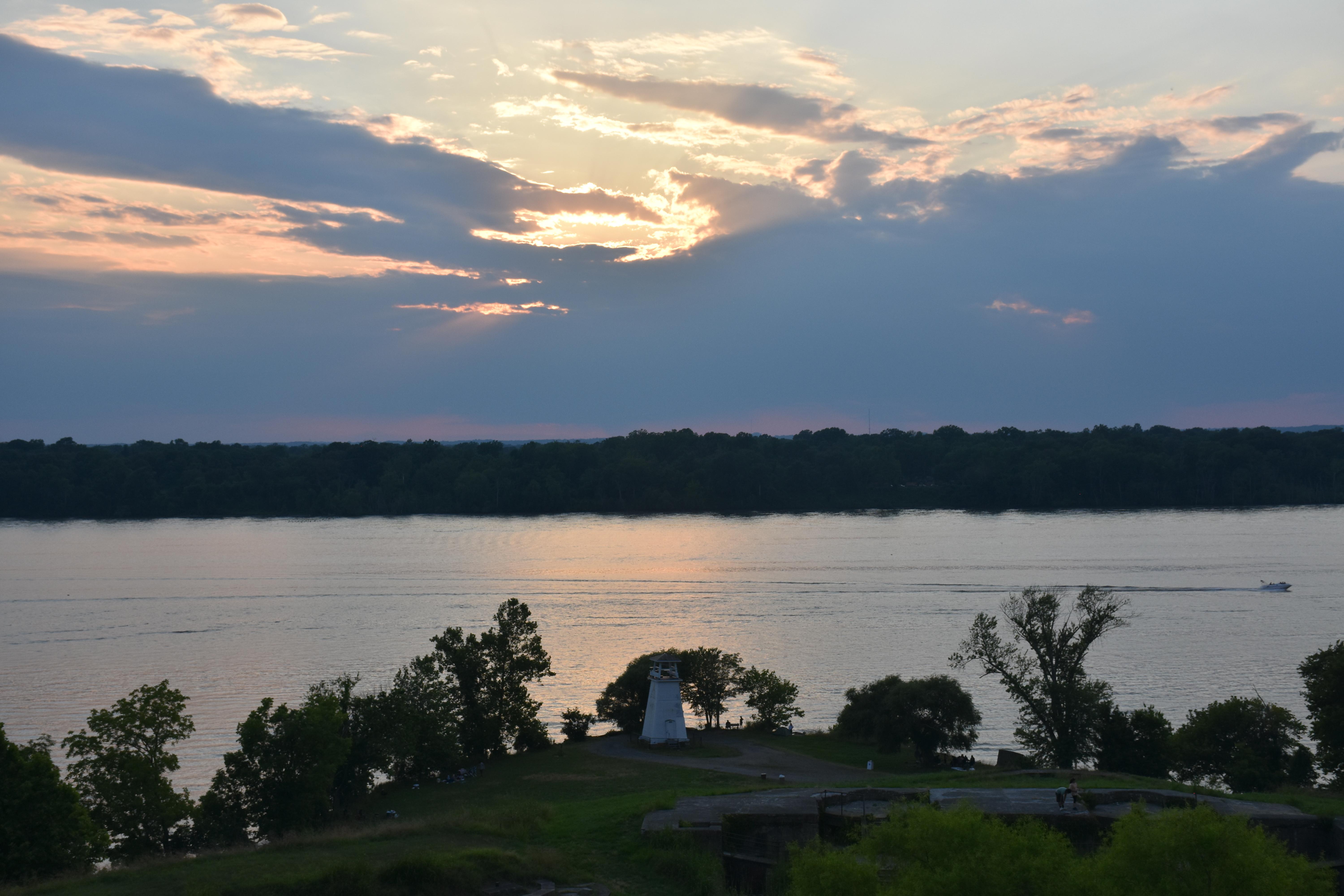
George Rogers Clark National Historical Park is located within the city of Vincennes, Indiana. Evansville is approximately 50 miles to the south, while Terre Haute is approximately 50 miles to the north, making the park a practical historical destination from either direction.
Highway 41 provides access from the north and south, and Highway 50 provides access from the east and west. From Highway 50 or Highway 41 from the north, use the 6th Street exit; from Highway 41 from the south, use the Willow Street exit. From there, follow the blue directional signs for the park.
For weather, plan as we would for the Midwest. Winter averages are in the mid 30s, while summer can be hot and humid, with temperatures often reaching into the 90s. Layering is sensible in cooler months, and water and sun protection are useful considerations during warmer weather.
We recommend allowing enough time to absorb the campaign’s sequence rather than rushing through the central story. Even a focused visit can be rewarding when we arrive knowing that the place commemorates both a dramatic surrender and a frontier victory with consequences far beyond Vincennes.
Before you go
- Review official alerts, closures, hours, and reservation requirements.
- Allow extra travel time and keep an alternate plan.
- Use official NPS information as the final authority.
Sources
- George Rogers Clark National Historical Park — official National Park Service site — National Park Service, accessed 2026-09-16
Continue planning George Rogers Clark
Learn more about George Rogers Clark and find other helpful guides, trails, and trip information in the ParkQwest guide.
ParkQwest is a QwestLyfe Community.
QwestLyfe helps you track your lifelong bucket lists, collections, recipes, and the places you've been. Document your experiences, add notes and pictures, and share them with your friends — and the world.