Park of the Day: Bighorn Canyon National Recreation Area
Plan with current information. Conditions, roads, services, fees, and rules can change. Verify details with the National Park Service before your visit.
A big landscape with room to choose your own focus
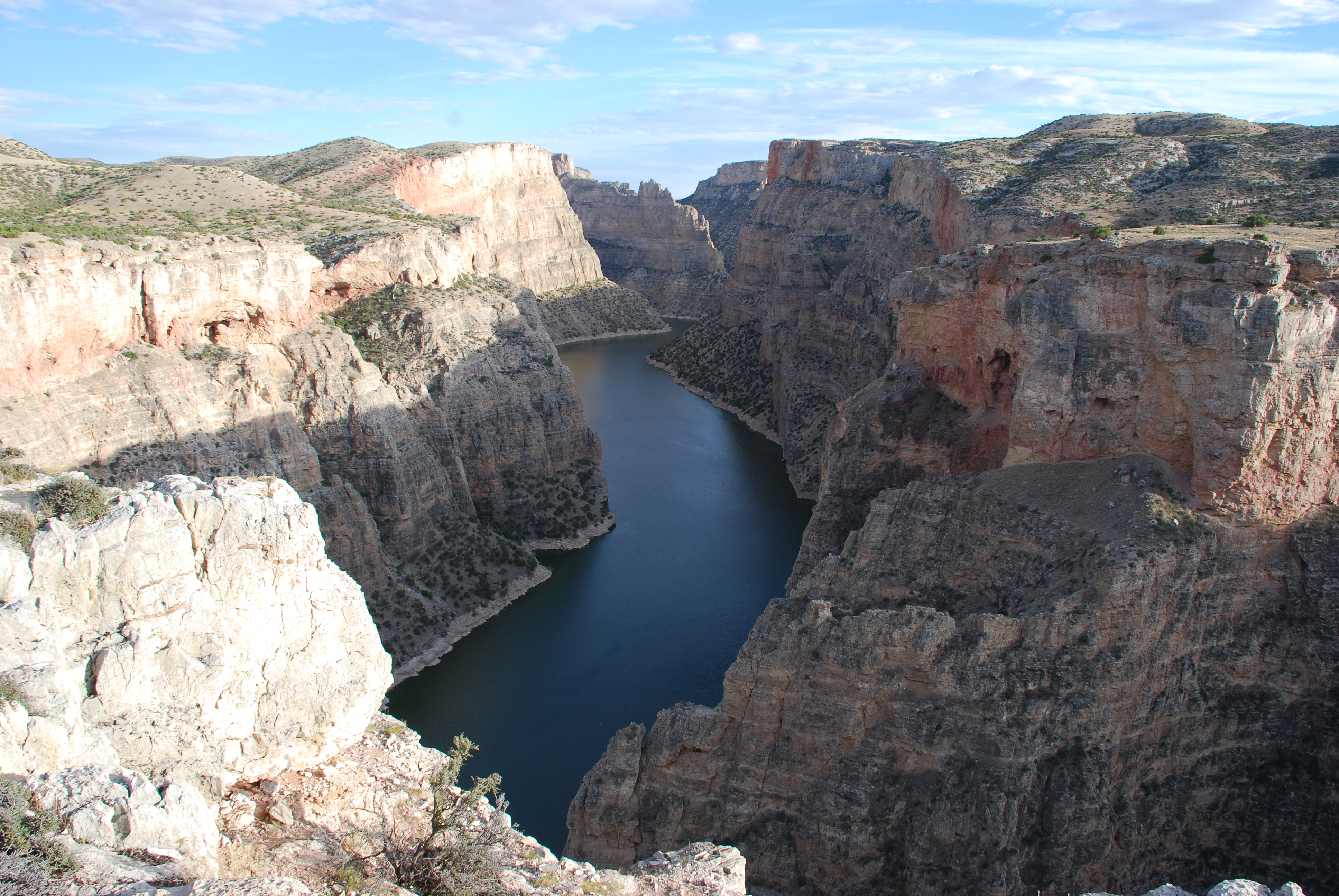
Bighorn Canyon National Recreation Area deserves a traveler’s attention today because it offers the rare chance to slow down in a vast, wild setting shaped by striking natural variety and deep human history. Spread across Montana and Wyoming, this is a place for travelers who want more than a quick overlook: with more than 120,000 acres, there is space to engage with ecosystems, wildlife, and more than 10,000 years of stories.
We come here to reset our sense of scale. The recreation area’s two districts, separated by a three-hour drive, invite us to think of a visit not as a single stop but as an opportunity to choose the landscape and pace that fit our time.
Quick take
Bighorn Canyon National Recreation Area is a large, two-state destination where natural diversity, wildlife, and a long human past reward travelers who give themselves time to explore.
What makes Bighorn Canyon distinctive
The scale is the first thing to understand. More than 120,000 acres create an exceptional range of places to observe, from the broad character of the surrounding landscape to the smaller details of its ecosystems and wildlife.
Its history is equally central to the experience. The National Park Service notes that visitors can explore more than 10,000 years of human history here, giving the landscape a dimension that reaches well beyond a scenic visit.
Because Bighorn Canyon spans both Montana and Wyoming, planning is part of appreciating its character. The North District is at Fort Smith, Montana, while the South District is at Lovell, Wyoming; they are not neighboring stops, so it is wise to decide in advance whether one district or both belongs on our itinerary.
What a visit feels like
This is a destination for attentive travel. Rather than rushing to check off a single landmark, we can spend time looking closely at the variety within the recreation area: changing ecosystems, opportunities to notice wildlife, and evidence of the region’s long relationship with people.
The experience can be as expansive or as focused as our schedule allows. A shorter visit can provide an introduction to one district, while a longer stay gives us more room to absorb the differences between the Montana and Wyoming sides without turning the drive between them into an afterthought.
Two ways to make the most of it
Start with the natural world. Bighorn Canyon National Recreation Area is specifically recognized for its diversity of ecosystems and wildlife, making observation a meaningful goal in itself—whether we are scanning the landscape, pausing to take in its changing character, or simply allowing time to be present outdoors.
Then make human history part of the day. With more than 10,000 years of history to explore, we should approach the area as a cultural landscape as well as a natural one, giving the place time to register rather than treating it as scenery alone.
Plan the practical details
Access depends on which district we choose. From Billings, Montana, the North District route follows Interstate 90 south to Hardin, then Exit 495 onto State Highway 313 through St. Xavier to Fort Smith. For the South District, take Interstate 90 west from Billings, exit at Laurel at Exit 434, follow US 310 East/US 212 South, and continue on US 310 East to Lovell; the visitor center is on the east side of town.
Weather deserves real respect here. The North District is semi-arid and receives 18 to 20 inches of rain annually, while the South District is high-desert and receives 6 to 10 inches. Summer highs are generally in the 80s and 90s Fahrenheit, can exceed 100 degrees, and winter temperatures can fall below 0 degrees with extreme wind chill.
For timing, we should allow at least enough time to focus on one district without hurrying. Travelers hoping to experience both districts should build in the three-hour drive between Fort Smith and Lovell, then use the official park page to confirm current details before setting out.
Before you go
- Review official alerts, closures, hours, and reservation requirements.
- Allow extra travel time and keep an alternate plan.
- Use official NPS information as the final authority.
Sources
- Bighorn Canyon National Recreation Area — official National Park Service site — National Park Service, accessed 2026-09-11
Continue planning Bighorn Canyon
Learn more about Bighorn Canyon and find other helpful guides, trails, and trip information in the ParkQwest guide.
ParkQwest is a QwestLyfe Community.
QwestLyfe helps you track your lifelong bucket lists, collections, recipes, and the places you've been. Document your experiences, add notes and pictures, and share them with your friends — and the world.