
Great Smoky Mountains National Park: Family Adventure Guide
Plan with current information. Conditions, roads, services, fees, and rules can change. Verify details with the National Park Service before your visit.
Great Smoky Mountains National Park works best for families when the day is built in small, satisfying pieces rather than one ambitious checklist. The park spans the Tennessee–North Carolina border, with ridges of forest, mountain weather, historic Appalachian landscapes, and a lot of decisions for adults to make before kids notice they are tired. A successful family day may include one scenic drive or destination, one short outdoor exploration, a picnic break, and one child-chosen stop. That is enough to make the day feel full without turning it into a car-seat endurance test.
Plan around attention spans, not park size
America’s most visited national park can feel wonderfully open one moment and logistically busy the next. Instead of trying to “cover” Great Smoky Mountains National Park, choose a base area and build outward from there. The three main park entrances are near Gatlinburg, Tennessee; Townsend, Tennessee; and Cherokee, North Carolina, so your lodging direction should shape the day rather than adding unnecessary cross-park driving.
A good family target is two anchor activities. An anchor can be a short walk, a scenic stop, a cultural site, a picnic area, or time at a visitor center. Add a few optional pull-offs or brief stops around those anchors, but let them remain optional. Children generally remember the creek-side rock, the salamander they spotted, or the snack eaten in the back seat more clearly than a packed itinerary.
- For toddlers and preschoolers: Prioritize places where movement is easy to stop and restart. Think short paths, open areas, water-viewing opportunities from a safe distance, and frequent snack breaks.
- For elementary-age kids: Give the day a mission: find three signs of changing elevation, sketch a leaf, photograph evidence of old mountain culture, or keep a wildlife observation list without approaching animals.
- For tweens and teens: Offer a real choice between two reasonable options—more driving with bigger views, or less driving with more time outside. Ownership matters more than pretending every stop will be equally exciting.
- For multigenerational groups: Separate “must-do” from “nice-to-do” before leaving. A slow morning and a shorter outing often serve grandparents and young children better than a long route with no easy exit plan.
Quick take
For most families, one longer stop plus two short, low-commitment stops is a stronger park day than a string of destinations. Build in time to eat, use restrooms when available, change layers, and simply look around.
Use visitor centers as a family-day reset
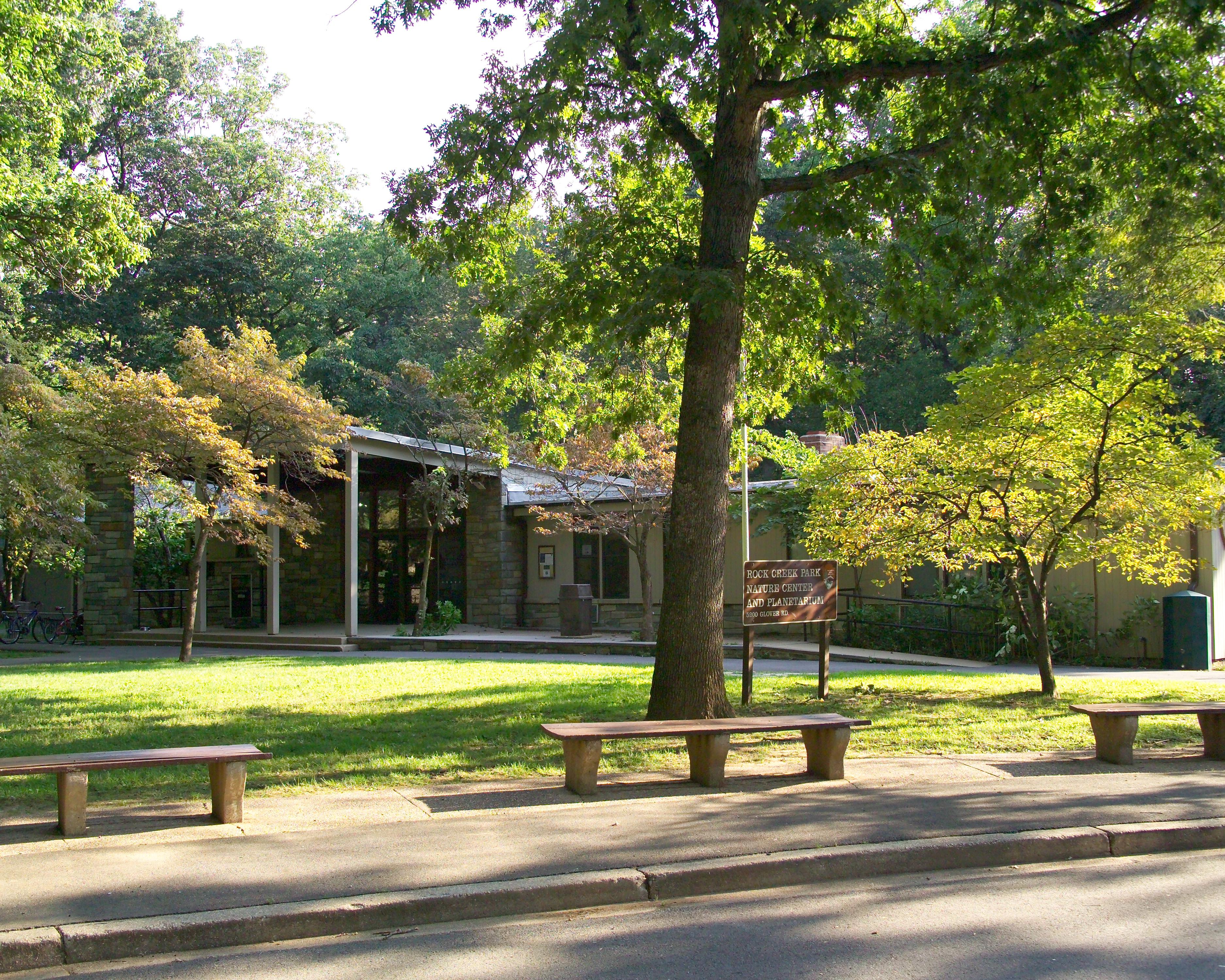
A visitor center can be more than the place where adults collect information. It is often the best early-day reset: kids can orient themselves with maps or exhibits, adults can ask about current road, weather, trail, and facility conditions, and everyone can use the stop to recalibrate expectations before heading farther into the park.
Ask one specific question instead of requesting a generic recommendation. “What is a good short outing for a family with a stroller-age child?” or “Which area makes sense if afternoon weather looks unsettled?” will usually get more useful guidance than “What should we do?” Conditions, access, ranger staffing, and seasonal services can change, so verify what is open and available on the official National Park Service page before treating a visitor center as part of your plan.
Junior Ranger: make it a bonus, not the schedule
If Junior Ranger materials or a ranger-led activity are available during your visit, they can give children a useful reason to notice their surroundings. The key is to treat the activity as an invitation, not a requirement. A child who completes two observations and loses interest has still engaged with the park more meaningfully than one pushed through a booklet while hungry.
Before arrival, check the official NPS page for current Junior Ranger information, visitor-center operations, and any family-oriented programming. Do not promise a particular activity to children until you have confirmed it is being offered that day.
Build the day in short activity patterns
The family-friendly rhythm is move, notice, refuel, decide. After every outdoor segment, plan a place or moment where the group can sit, drink water, use available facilities, and decide whether to continue. This prevents the common pattern of adults pressing ahead because they are already parked while children are quietly nearing a meltdown.
- Move: Take a short walk, explore a designated area, or stop at a viewpoint where children can safely stretch their legs.
- Notice: Give each child one job: listen for birds, compare bark textures without damaging trees, spot evidence of elevation change, or choose the family photo.
- Refuel: Offer water and a snack before anyone says they are hungry. Mountain travel can make a short outing feel longer than expected.
- Decide: Ask a simple either/or question: “Another short stop, or lunch?” Avoid open-ended debates when everyone is tired.
Letting children lead does not mean handing them the route map. It means giving them controlled choices that affect the experience: which snack comes first, whether the family looks for fungi or birds, who holds the map, or whether the next stop should be a walk or a view. Those choices reduce resistance without compromising adult judgment about safety, weather, or timing.
Mountain weather changes the family plan fast
Great Smoky Mountains National Park ranges from about 875 feet to 6,643 feet in elevation. According to the NPS, temperatures can vary by 10–20 degrees Fahrenheit from the mountain base to higher elevations, and clear skies lower down do not guarantee pleasant conditions above. For families, that means a sunny hotel parking lot is not enough information for deciding what everyone should wear.
- Layers: Pack a warm layer and a rain layer for each person, including the child who insists they are never cold.
- Dry backups: Keep spare socks, a small towel, and a change of clothes for younger kids in the vehicle.
- Food protection: Carry more water and snacks than the outing seems to require, especially if travel time grows.
- Weather check: Check the official NPS site close to departure for current conditions, closures, and alerts; then check again if your route gains elevation.
Quick take
A rainy or low-energy day does not have to become a lost day. Shift toward a visitor-center stop if available, short outdoor windows between showers, scenic driving where conditions permit, a picnic or snack break, and a slower return to your lodging area.
Choose low-energy backups before you need them
Families rarely regret having a backup plan; they regret trying to force the original plan after the mood has changed. Your backup should use the same general entrance area whenever possible, since crossing from one side of the park to another may add more driving than a tired group can handle well.
Three useful backup categories
- The “five-minute nature stop”: A safe, brief pull-off or designated stopping area where everyone gets out, takes a photo, notices the air temperature, and gets back in before the energy drops.
- The “indoor-ish reset”: A visitor center, if open, where children can use maps, exhibits, or a Junior Ranger activity while adults confirm conditions and make the next decision.
- The “call it early” option: Return to your base area for a meal, rest, swimming if your lodging offers it, or an unhurried evening. Saving energy can make tomorrow’s outing better.
Do not build the backup around a specific named facility, road, or program unless you have checked current NPS information. Seasonal operations, weather events, construction, and crowd conditions can affect what is practical on a given day.
A realistic family-day outline
This outline is deliberately modest. It leaves room for traffic, bathroom needs, weather changes, and the fact that children may be fascinated by one ordinary-looking thing for twenty minutes.
- Morning: Start from the entrance area closest to your lodging. Make an early visitor-center stop if current operations make that useful, then choose one short outdoor anchor before lunch.
- Late morning: Pause for snacks and water before the group is depleted. Let one child choose the next brief stop from two adult-approved options.
- Midday: Eat a picnic or return toward nearby services outside the park, depending on your supplies and location. This is the right time to reassess weather and energy.
- Early afternoon: Choose either a second outdoor anchor or a scenic, low-walking option. Do not try to do both if the morning ran long.
- Late afternoon: Leave a buffer for the drive out, an unplanned restroom stop, wet clothing, and the inevitable request for one last look.
Great Smoky Mountains National Park rewards families who notice more and race less. Pick a side of the park, pack for cooler and wetter conditions than expected, use visitor-center information when available, and measure success by the number of moments your group had time to enjoy—not the number of pins you checked off.
Before you go
- Review official alerts, closures, hours, and reservation requirements.
- Allow extra travel time and keep an alternate plan.
- Use official NPS information as the final authority.
Sources
- Great Smoky Mountains National Park — official National Park Service site — National Park Service, accessed 2026-09-10
Continue planning Great Smoky Mountains
Learn more about Great Smoky Mountains and find other helpful guides, trails, and trip information in the ParkQwest guide.
ParkQwest is a QwestLyfe Community.
QwestLyfe helps you track your lifelong bucket lists, collections, recipes, and the places you've been. Document your experiences, add notes and pictures, and share them with your friends — and the world.