
Park of the Day: Gates Of The Arctic National Park & Preserve
Plan with current information. Conditions, roads, services, fees, and rules can change. Verify details with the National Park Service before your visit.
A Wilderness Worth Planning For
Gates Of The Arctic National Park & Preserve deserves a traveler’s attention today because it offers something increasingly rare: a vast landscape without roads or trails, where the forces of nature still set the terms of a visit. This is a place for travelers who want to exchange convenience for a direct encounter with Alaska’s arctic and sub-arctic country.
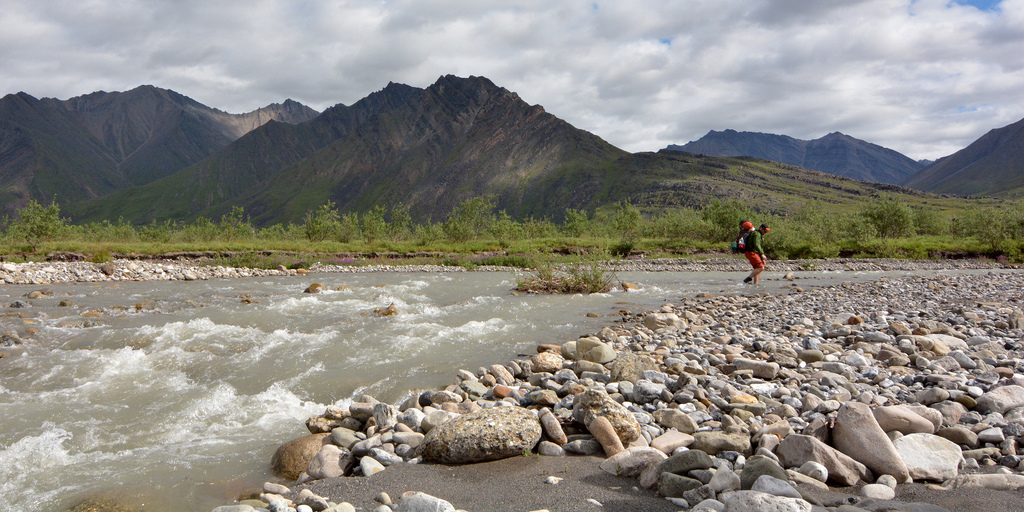
We come here not to tick off a familiar overlook or follow a signed route, but to enter a landscape that remains virtually unchanged except by nature itself. Glacier-carved valleys, wild rivers, migrating caribou, long summer light, and winter auroras are all part of the park’s character.
Quick take
Gates Of The Arctic is a true wilderness destination: there are no roads or trails into the park lands, so reaching it requires flying or hiking—and planning for changing conditions.
What Makes Gates Of The Arctic Distinctive
This National Park & Preserve is defined by its scale and lack of built access. People have lived with this land for more than ten thousand years, while intact ecosystems continue to support natural movements and processes across a broad, rugged landscape.
Wild rivers meander through valleys shaped by glaciers, and caribou travel along age-old migration routes. The park’s seasons bring starkly different rhythms: endless daylight is part of summer, while winter night skies can be lit by aurora.
Its wilderness character is not a backdrop to a conventional park visit; it is the central experience. Without roads or established trails to lead us through the landscape, travel here asks for self-reliance, careful choices, and respect for conditions that can change quickly.
What a Visit Feels Like
A visit begins with the understanding that the journey is part of the destination. We are not driving from stop to stop; we are arranging access, traveling through a landscape with few human-made cues, and allowing the terrain, weather, and route to shape the day.
That can mean approaching by small aircraft, beginning a hike from the Dalton Highway or the village of Anaktuvuk Pass, or traveling toward the park from a nearby community. From either hiking approach, river crossings are necessary, reinforcing that this is not a casual walk-in wilderness experience.
The reward is a strong sense of space and continuity. The landscape offers room to notice river valleys, seasonal light, weather systems, and the possibility of seeing wildlife moving through country that has not been organized around roads.
Signature Ways to Experience the Park
For most visitors, an air-taxi journey is the defining gateway. Flying into the park can reveal the broad sweep of river valleys and glacier-carved terrain while providing access to an area that cannot be reached by road.
Hiking in is another signature experience, especially for travelers prepared to begin from the Dalton Highway or Anaktuvuk Pass. It is an approach that requires river crossings and thoughtful preparation, but it places the pace of the visit firmly in the hands of the landscape.
We can also make time simply to observe the park’s larger patterns. Caribou migration, wild rivers, summer daylight, and winter aurora-lit skies are reminders that Gates Of The Arctic is best understood as a living ecosystem rather than a collection of developed attractions.
Planning Notes: Access, Weather, and Time
Access begins in Fairbanks, Alaska. Several small airlines provide daily flights from Fairbanks to Bettles, Anaktuvuk Pass, and Coldfoot, and most visitors then reach the park by air taxi or by hiking in from the Dalton Highway or Anaktuvuk Pass.
- Expect no roads or trails into the park lands.
- Plan for river crossings if hiking from the Dalton Highway or Anaktuvuk Pass.
- Build flexibility into the itinerary for rapidly changing weather.
The climate is generally arctic and sub-arctic, with exceptionally cold winters, relatively mild summers, low annual precipitation, and generally high winds. Weather is influenced by many systems and can change rapidly, so we should treat conditions as a central planning factor in every season.
Rather than fitting Gates Of The Arctic into a tightly timed stop, we should allow enough time for flights, access arrangements, and weather-related flexibility. This is a destination where a deliberate schedule is not just practical—it is part of traveling well.
Before you go
- Review official alerts, closures, hours, and reservation requirements.
- Allow extra travel time and keep an alternate plan.
- Use official NPS information as the final authority.
Sources
- Gates Of The Arctic National Park & Preserve — official National Park Service site — National Park Service, accessed 2026-09-08
Continue planning Gates Of The Arctic
Learn more about Gates Of The Arctic and find other helpful guides, trails, and trip information in the ParkQwest guide.
ParkQwest is a QwestLyfe Community.
QwestLyfe helps you track your lifelong bucket lists, collections, recipes, and the places you've been. Document your experiences, add notes and pictures, and share them with your friends — and the world.