Cuyahoga Valley National Park: Packing Guide
Plan with current information. Conditions, roads, services, fees, and rules can change. Verify details with the National Park Service before your visit.
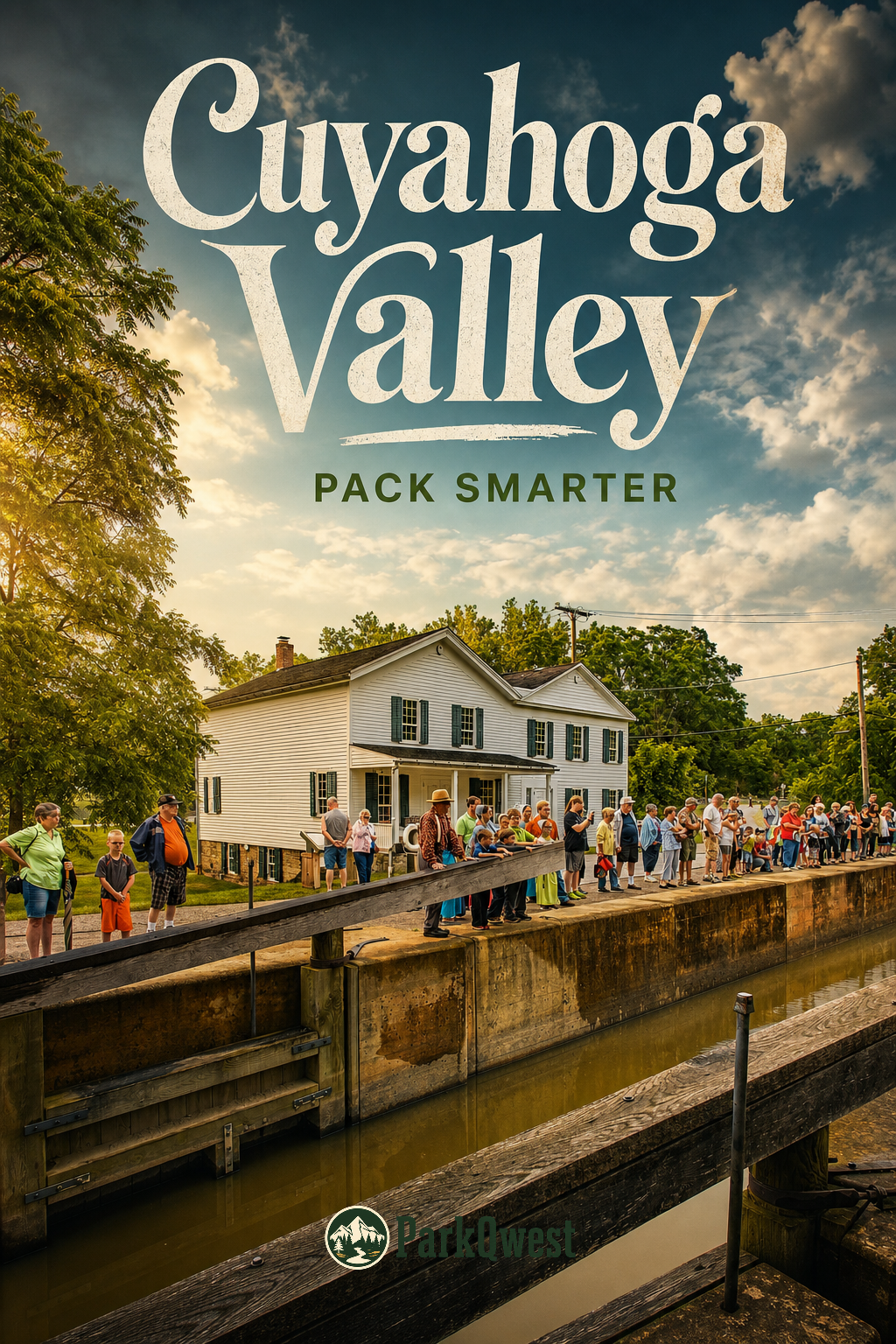
Cuyahoga Valley National Park is the kind of park that rewards practical packing over “big national park” packing. You are close to Cleveland and Akron, with the Cuyahoga River, wooded hills, open farmland, and the historic Ohio & Erie Canal corridor all sharing the same visit. That means a day can begin cool and damp, turn humid on a trail, then feel chilly again when you stop moving. Pack for changing conditions, muddy edges, and a day spent walking or riding the Towpath Trail—not for remote backcountry travel, but not as if you are heading out for a city stroll either.
Quick take
The smartest Cuyahoga Valley packing strategy is a light layer system, shoes that tolerate wet ground, and a compact daypack with rain protection. The park’s weather can shift quickly, especially in spring, fall, and winter, so avoid building your outfit around one forecast temperature.
Build Your Outfit Around Layers, Not a Single Season
Even summer is a layering season here. The National Park Service notes summer temperatures can range from 49 to 95 degrees Fahrenheit, with humidity adding another reason to choose breathable clothing. A lightweight top that dries quickly is more useful than a heavy cotton shirt if you expect to walk, bike, or move between sunlit open areas and cooler forest.
Clothing for walking, biking, and stopping often
- Moisture-managing base layer: Bring a synthetic or wool T-shirt, tank, or long-sleeve shirt. It is especially useful on humid summer days and on cool days when a climb or brisk Towpath Trail walk makes you warm faster than expected.
- Light insulating layer: A fleece, light sweater, or insulated vest earns a place from spring through fall. Fall days may reach the low 70s while nights can dip to freezing, so a single warm layer prevents an enjoyable foliage outing from ending in a rushed, cold walk back to the car.
- Rain shell with a hood: Spring rain helps bring out leaves and wildflowers, but it also makes trails and grass wet. Choose a shell that fits over your midlayer rather than relying on an umbrella, which is awkward on a wooded trail or while handling a bike.
- Trail-friendly bottoms: Wear hiking pants, joggers, leggings, or shorts that allow a long stride and can handle damp benches, mud splashes, and tall vegetation at trail edges. In shoulder seasons, long pants also add a useful buffer from brush and insects.
- A spare dry layer in the car: Since the park is easy to reach by car and many visitors use a vehicle between areas, a dry shirt, socks, and light jacket are low-effort insurance after rain or an unexpectedly sweaty outing.
Leave the all-cotton outfit for a dry, short visit. Cotton is comfortable at the visitor center or for a brief paved walk, but it holds moisture when spring rain, humidity, or sweat enters the picture. If cotton is what you have, compensate with a rain shell and an extra shirt.
Footwear: Choose for Wet Ground and Long, Easy Miles
You do not need expedition boots for Cuyahoga Valley National Park, but you do need more than fashion sneakers if conditions are wet. Much of the appeal is moving through a river valley landscape on foot or by bike, including the Towpath Trail’s historic canal route. The best shoe is the one that remains comfortable through several hours of walking and does not become slippery when a path is damp.
- For a Towpath-focused day: Cushioned walking shoes, trail runners, or sturdy sneakers with grippy soles are usually the practical choice. They are lighter than boots and work well for a day combining walking, cycling, visitor-center time, and short trail stops.
- For rainy spring days or muddy routes: Wear waterproof trail shoes or low hiking boots with traction. Waterproofing is helpful, but a deep lug sole matters just as much when soil is soft and leaves conceal wet patches.
- For fall and winter: Bring wool or synthetic socks and pack one spare pair. Fall can turn cold overnight, and winter conditions can change rapidly with Lake Erie lake-effect snow; dry feet are a comfort and safety item, not a luxury.
- For bike days: Closed-toe shoes are the sensible default. Save loose sandals for after the ride, when you are no longer dealing with pedals, gravel, puddles, or sudden weather changes.
Quick take
Pack shoes for the surface you will actually use. A dry-weather Towpath day calls for supportive walking shoes; a rain-heavy forecast or a route likely to be muddy justifies waterproof trail footwear. Bring dry socks either way.
What Belongs in Your Cuyahoga Valley Daypack
A 15- to 25-liter daypack is plenty for most visits. This is not a gear-hauling park trip, but the valley’s variable weather makes a small pack far more useful than stuffing a jacket and water bottle into pockets. Choose one with a simple rain cover or use a lightweight dry bag or zip-top bag inside for electronics and spare layers.
- Navigation backup: Download the official NPS information you need before leaving reliable service, and carry a charged phone plus a compact power bank. Check the official park page for current trail, road, weather, and facility information before departure.
- Rain and warmth kit: Pack the shell, insulating layer, beanie or cap, and lightweight gloves appropriate to the season. Gloves are particularly worthwhile in late fall and winter, when temperatures can range from the mid-30s to below zero.
- Sun and bug protection: Include sunscreen, sunglasses, lip balm, and insect repellent in warm weather. Forest shade is not continuous, and open farmland or canal-route stretches can feel far sunnier than a wooded parking area.
- Small first-aid and repair kit: Blister bandages, adhesive bandages, antiseptic wipes, personal medication, and a small piece of tape cover many common day-trip problems. Cyclists should add the basic repair supplies their own bike requires.
- Trash bag: A resealable bag keeps snack wrappers, used wipes, and muddy socks contained until you can dispose of them properly.
Pack to the Forecast—but Respect the Park’s Weather Patterns
Weather-specific packing matters more here than packing “for Ohio” in the abstract. The valley can feel distinct from the nearby urban areas because forests, river corridors, rolling terrain, and lake-influenced winter weather all affect comfort. Use the current forecast for timing, then add one layer or protective item for the conditions most likely to surprise you.
| Season | Pack around | Most useful add-on |
|---|---|---|
| Spring | Rain, mud, cool starts, warming afternoons | Waterproof shell and spare socks |
| Summer | Humidity, heat, sun, cooler early hours | Extra water and breathable layer |
| Fall | Big day-to-night temperature swings | Fleece, beanie, and warm drink option |
| Winter | Rapid changes and lake-effect snow potential | Insulated layers, traction-minded footwear, dry backup clothes |
Winter deserves a more conservative packing list. Lake-effect snow from Lake Erie can bring rapidly changing conditions, and temperatures can fall below zero. Carry more insulation than you think you need for a short walk, keep a charged phone warm in an inner pocket, and confirm current conditions on the official NPS page before committing to a route.
Food, Water, and the “Nearby City” Trap
Being near Cleveland and Akron does not mean food and water will be convenient at the exact moment you need them. Start your day with filled bottles and snacks already in your vehicle or daypack, especially if your plan includes a long stretch of walking or cycling. Treat available services as a bonus rather than the foundation of your hydration plan; verify current visitor services through NPS before your trip.
- Water: Carry at least one refillable bottle per person for a short outing, and increase capacity for hot, humid days or bike-heavy plans. An insulated bottle is useful in both summer heat and cold-weather outings.
- Food: Pack durable, easy-to-eat options: sandwiches, fruit, nuts, trail mix, crackers, cheese, or an energy bar. A slightly more substantial lunch prevents low energy when a casual walk expands into a longer day.
- Family buffer snacks: Bring more than you think children will eat, plus a familiar snack for the drive. Hungry kids are less interested in canal history, wildlife observation, or “one more mile.”
Safety and Comfort Extras That Earn Their Space
Keep the day simple enough that everyone can stay oriented, hydrated, and dry. Tell someone your general plan, carry a phone, and turn back before fatigue turns a pleasant walk into a stressful one. Stay on established routes, give wildlife room, and do not treat the river or wet trail edges as places to improvise.
- For families: Pack wipes, a change of clothes, a small sit pad or picnic blanket, and one comfort item for younger children. Binoculars and a simple nature notebook can hold attention without adding much weight.
- For photographers: Bring a weather-resistant camera bag or rain cover, microfiber cloth, spare battery, and a lens cloth. Humidity, rain, and spray from wet vegetation can matter more than carrying a large lens collection.
- For cyclists: Wear a helmet and carry lights if your timing could run late, plus the repair kit suited to your setup. Check current park guidance for cycling conditions and any route-specific considerations.
What to Leave Behind
The goal is capable, not overloaded. Cuyahoga Valley National Park is accessible by car, and Boston Mill Visitor Center at 6947 Riverview Road in Peninsula is a sensible starting point for current orientation. You can keep car-based backups nearby instead of carrying every contingency on your back.
- Heavy expedition gear: Large packs, bulky camp furniture, and oversized cooking setups are unnecessary for a typical day visit.
- Brand-new boots: This is a poor place to discover a heel rub halfway through a walking or biking day. Wear broken-in footwear and pack blister care instead.
- Fragile, loose valuables: Keep jewelry, unsecured phones, and items that cannot get wet at home or protected in a sealed pouch.
- Single-use excess: Skip disposable bottles and unnecessary packaging when reusable options will do; they create more to carry out.
Final Cuyahoga Valley National Park Packing Checklist
- Wear: moisture-wicking top, flexible bottoms, supportive grippy shoes, season-appropriate socks.
- Pack: rain shell, warm layer, water, snacks, sunscreen, insect repellent, phone, power bank, and basic first aid.
- Add for wet weather: waterproof footwear, spare socks, dry bag, and an extra shirt in the car.
- Add for fall or winter: hat, gloves, warmer insulation, insulated drink bottle, and a close check of current NPS conditions.
- Add for families or photos: wipes, spare kid clothes, binoculars, camera rain protection, and extra batteries.
The best final step is checking the official NPS page on the morning of your visit. Conditions, closures, and weather can change, while a well-packed layer system gives you the flexibility to enjoy the river valley, forest, farmland, and Towpath Trail without turning your bag into a burden.
Before you go
- Review official alerts, closures, hours, and reservation requirements.
- Allow extra travel time and keep an alternate plan.
- Use official NPS information as the final authority.
Sources
- Cuyahoga Valley National Park — official National Park Service site — National Park Service, accessed 2026-09-04
Continue planning Cuyahoga Valley
Learn more about Cuyahoga Valley and find other helpful guides, trails, and trip information in the ParkQwest guide.
ParkQwest is a QwestLyfe Community.
QwestLyfe helps you track your lifelong bucket lists, collections, recipes, and the places you've been. Document your experiences, add notes and pictures, and share them with your friends — and the world.