
Park of the Day: Tule Lake National Monument
Plan with current information. Conditions, roads, services, fees, and rules can change. Verify details with the National Park Service before your visit.
Tule Lake National Monument deserves a traveller’s attention today because it preserves a difficult, essential chapter of American history: the wartime incarceration of Japanese Americans. This is a place for slowing down, listening closely, and making room for the questions that remain when a nation’s actions are viewed through the experiences of people who lived them. A visit can be deeply meaningful precisely because the monument does not offer an easy story.
A monument shaped by wartime history
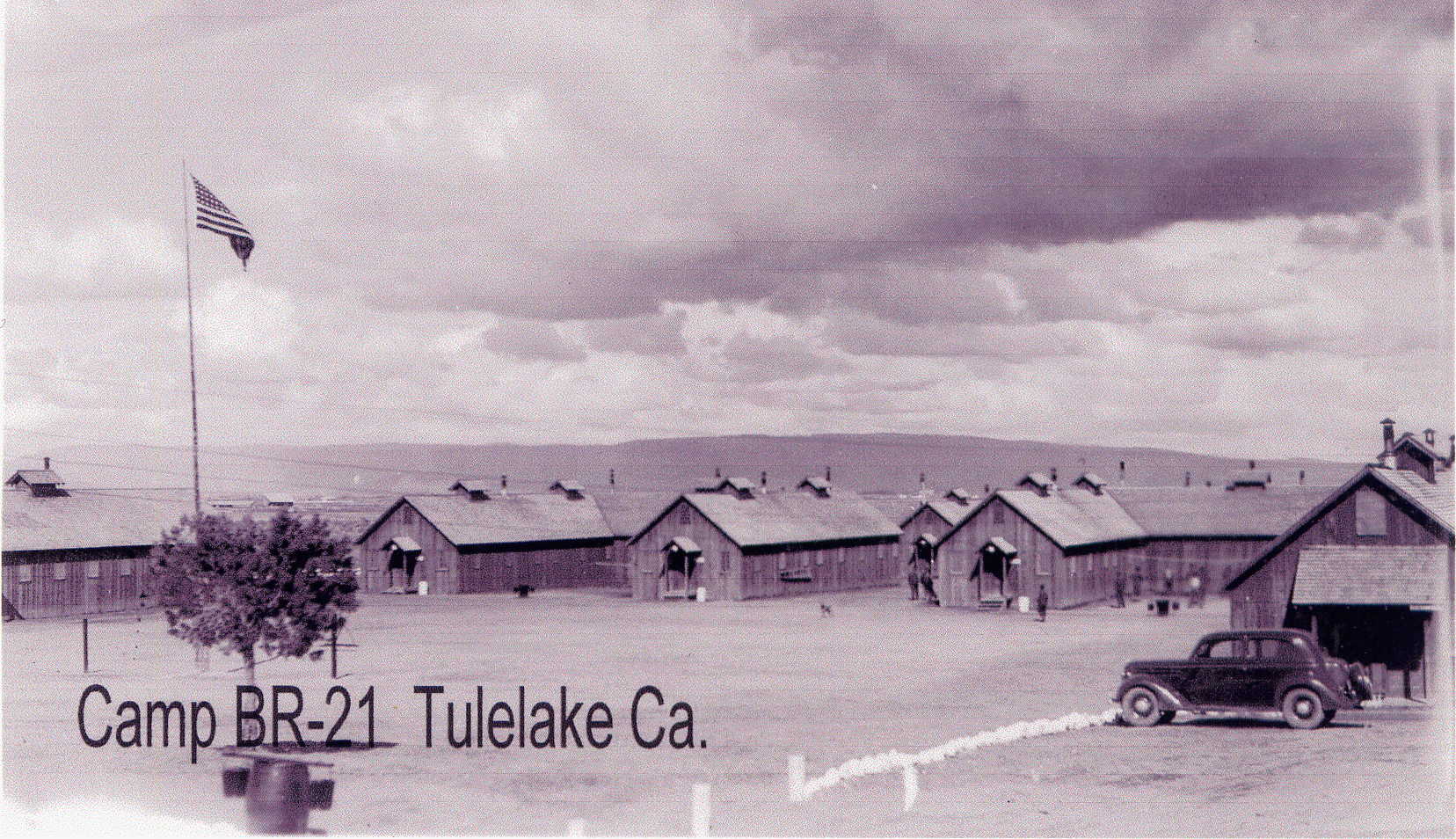
Tule Lake National Monument includes Tule Lake Segregation Center, the largest and most controversial of the sites where Japanese Americans were incarcerated during World War II. It also includes Camp Tulelake, a site whose changing uses reflect the unsettled history of the period: it began as a Civilian Conservation Corps camp, became an additional facility for detaining Japanese Americans, and later served as a prisoner of war camp.
That combination makes Tule Lake distinctive. Rather than focusing on a single moment or one narrowly defined chapter, the monument brings together places connected to several wartime systems and decisions. Visiting invites us to consider how those histories overlap, and why they still deserve careful attention.
Quick take
Tule Lake National Monument is a thoughtful stop for travellers seeking history with real weight: a place to learn about the incarceration of Japanese Americans during World War II and to reflect on the legacy of the Tule Lake Segregation Center and Camp Tulelake.
What a visit feels like
We should approach Tule Lake with curiosity, patience, and respect. Its importance is not about racing from one attraction to the next; it is about giving the subject matter enough time to register. The monument’s story can prompt conversations about citizenship, confinement, wartime policy, and the human consequences of government decisions.
For many visitors, the most valuable part of the experience will be allowing history to lead the pace. Read carefully, ask what you do not yet understand, and leave room for reflection between the facts. This is especially rewarding for travellers who want a national monument visit to add context to the broader story of the United States during World War II.
Two ways to make the stop meaningful
Start by grounding your visit in the story of Tule Lake Segregation Center. Knowing that it was both the largest and the most controversial of the Japanese American incarceration sites gives the monument an important frame, and it helps explain why Tule Lake remains such a significant place of remembrance.
Then consider Camp Tulelake alongside it. The site’s progression from a Civilian Conservation Corps camp to a detention facility for Japanese Americans and then a prisoner of war camp is a powerful reminder that places can hold multiple histories. Looking at both parts of the monument together offers a fuller understanding than treating either one in isolation.
Planning your visit
The monument’s visitor center is located at 44340 Highway 139, Tulelake, California 96134, eight miles south of Tulelake along Highway 139. It is the only driveway off the highway between County Road 113 and County Road 176. The National Park Service notes that Google may place visitors about one-eighth of a mile north of the correct location, so use the official directions guidance rather than relying on mapping alone.
- In summer, daytime highs average 75°F to 80°F, with lows around 50°F; occasional thunderstorms occur.
- In winter, daytime highs average about 40°F, with lows around 20°F; morning fog is frequent from autumn through spring.
For a September visit, plan for changing conditions and bring layers for cooler mornings and evenings. Give yourself unhurried time rather than treating Tule Lake as a quick roadside pause. Before leaving, check the official monument page for the most current information and detailed directions.
Before you go
- Review official alerts, closures, hours, and reservation requirements.
- Allow extra travel time and keep an alternate plan.
- Use official NPS information as the final authority.
Sources
- Tule Lake National Monument — official National Park Service site — National Park Service, accessed 2026-09-03
Continue planning Tule Lake
Learn more about Tule Lake and find other helpful guides, trails, and trip information in the ParkQwest guide.
ParkQwest is a QwestLyfe Community.
QwestLyfe helps you track your lifelong bucket lists, collections, recipes, and the places you've been. Document your experiences, add notes and pictures, and share them with your friends — and the world.