
Great Smoky Mountains National Park: Don't-Miss Experiences
Plan with current information. Conditions, roads, services, fees, and rules can change. Verify details with the National Park Service before your visit.
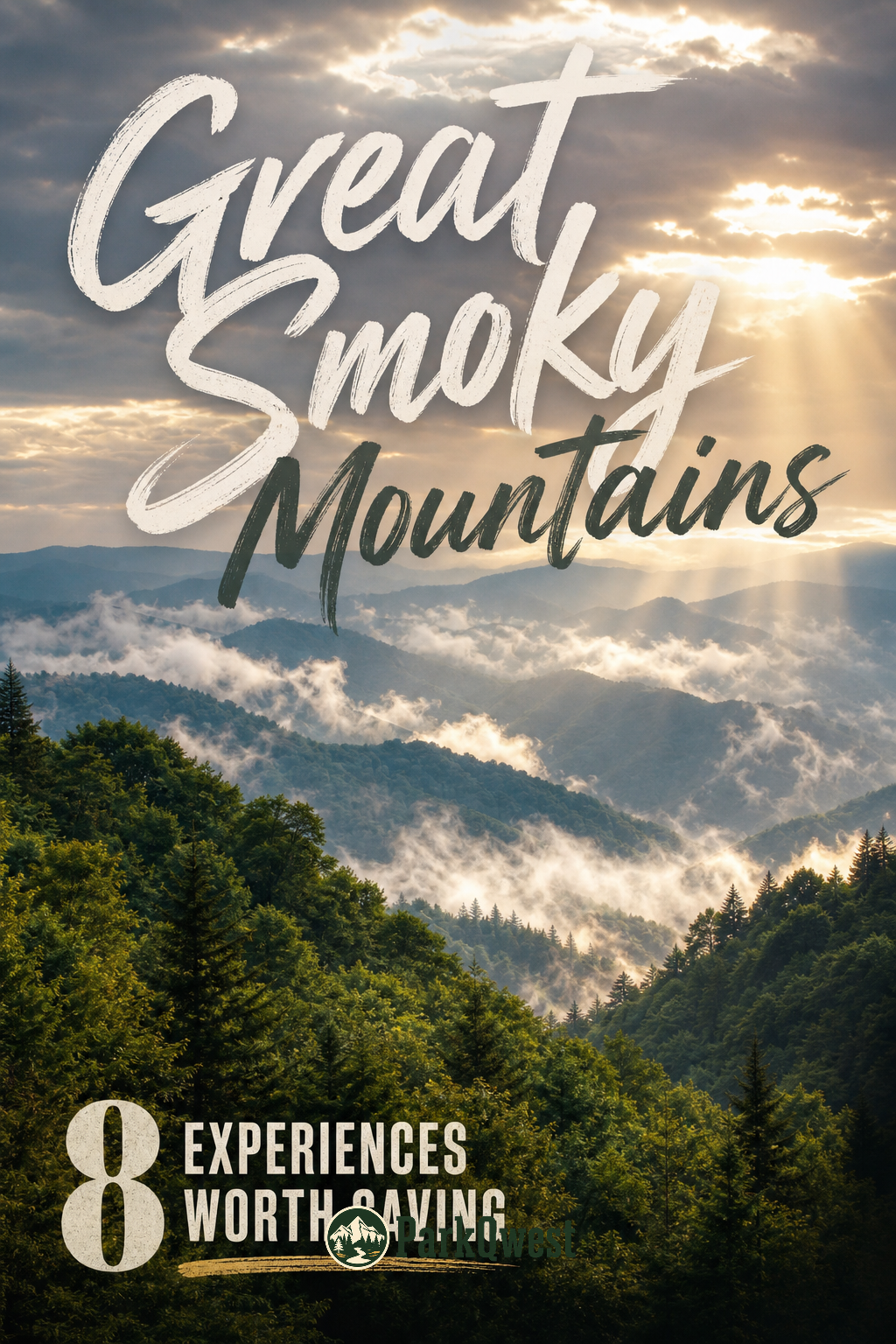
Great Smoky Mountains National Park is not a park that asks every visitor to chase the same checklist. Its appeal is in the contrast: forested lowlands and high ridges, quiet cultural sites and busy gateways, short nature walks and long mountain days. The park straddles North Carolina and Tennessee, with main entrances near Gatlinburg, Townsend, and Cherokee, and its elevations range from roughly 875 to 6,643 feet. That range matters: a warm, clear morning near the boundary can become a chilly, wet, low-visibility afternoon higher up.
How to Choose Your Smokies Experiences
Instead of trying to pack all eight into one visit, choose based on your available time, comfort with weather, and the kind of day you actually enjoy. A strong first-time plan usually combines one landscape experience, one slower forest or cultural experience, and one flexible weather-dependent option.
- If you have a few hours: Prioritize a lower-elevation forest walk, a cultural stop, or a scenic drive with pull-offs.
- If you have one full day: Pair a ridge or overlook outing with a quieter afternoon experience away from your first entrance area.
- If weather is unstable: Keep a low-elevation woods or heritage-focused option in reserve rather than committing immediately to a high-elevation hike.
- If crowds affect your enjoyment: Start early, enter from the side of the park closest to your lodging, and give yourself permission to trade a famous-looking stop for a less pressured stretch of forest.
Quick take
The best Smokies itinerary is rarely the longest one. Pick experiences that fit your weather window and energy level, then leave room for the mountain conditions to make the final call.
Eight Don’t-Miss Ways to Experience the Park
1. Spend Time in a High-Elevation Ridge Landscape
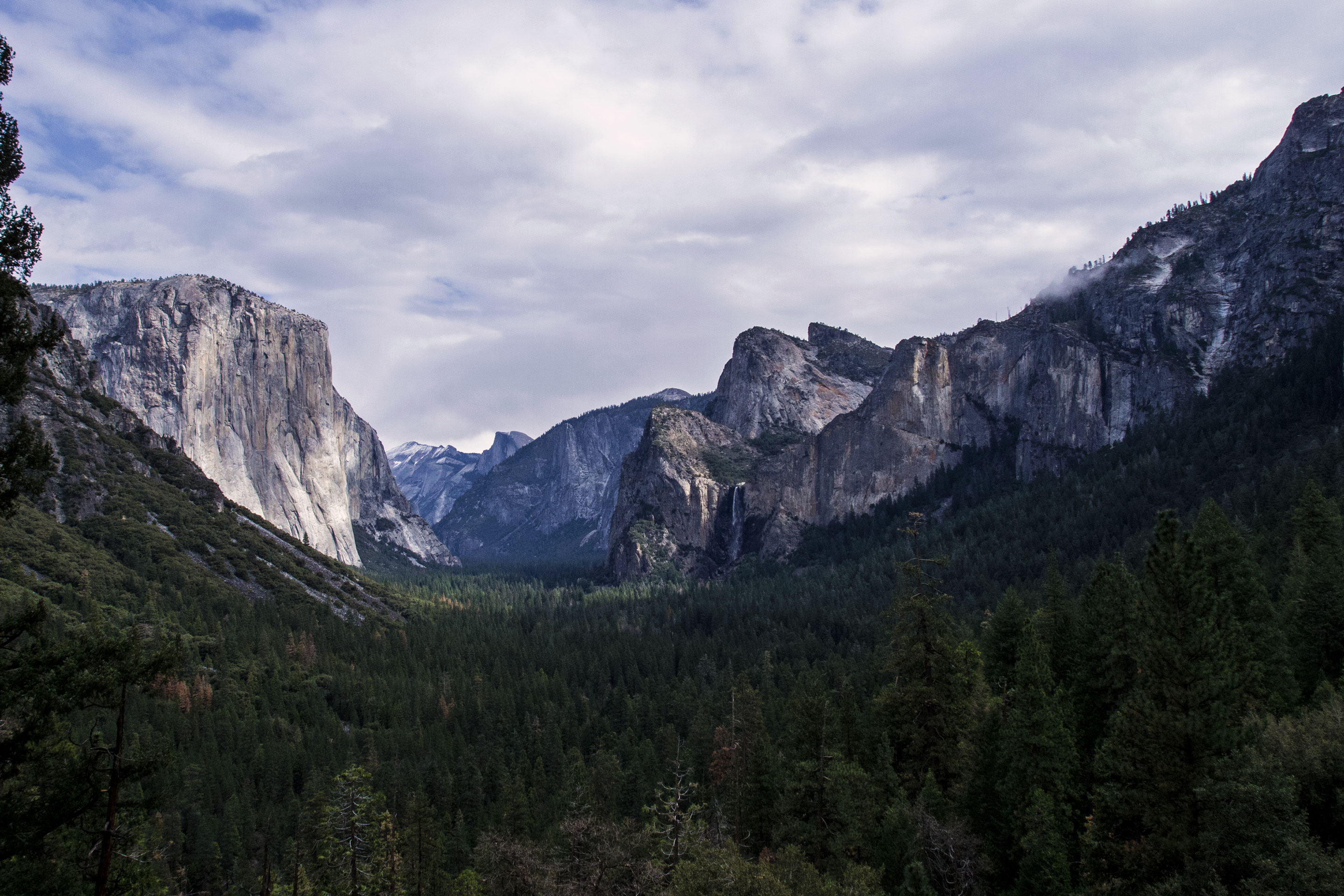
Why it matters: The park’s ancient mountain character becomes most apparent where the forest opens enough to reveal ridge after ridge. High elevations also show why the Smokies can feel like several parks in one day: vegetation, temperature, wind, and cloud cover may be noticeably different from conditions near the entrances.
Best for: Visitors who want the broad mountain setting they picture when they think of the Smokies, photographers working with changing light, and travelers willing to accept that views are weather-dependent.
Planning note: Treat clear views as a possibility, not a promise. The National Park Service notes that temperatures can differ by 10–20°F between the mountain base and top, and clear skies at lower elevations do not guarantee pleasant conditions higher up. Bring an insulating layer and rain protection, then check current NPS conditions before heading uphill.
2. Take a Slow, Low-Elevation Forest Walk
Why it matters: The Smokies are world renowned for plant and animal diversity, and a slower walk through mature forest is often the most direct way to notice it. This is not the experience for collecting mileage; it is for looking at mossy logs, changing leaf textures, damp hollows, fungi after rain, and the layers of a Southern Appalachian forest.
Best for: Families with mixed energy levels, naturalists, travelers arriving after a long drive, and anyone whose ideal park memory involves paying attention rather than reaching a destination.
Planning note: Choose a route appropriate for your group after reviewing the official NPS trail information. Footwear still matters on a short outing: wet roots, uneven ground, and mud can make an easy-looking forest walk feel more demanding than expected.
3. Build a Day Around Water and Creekside Sound
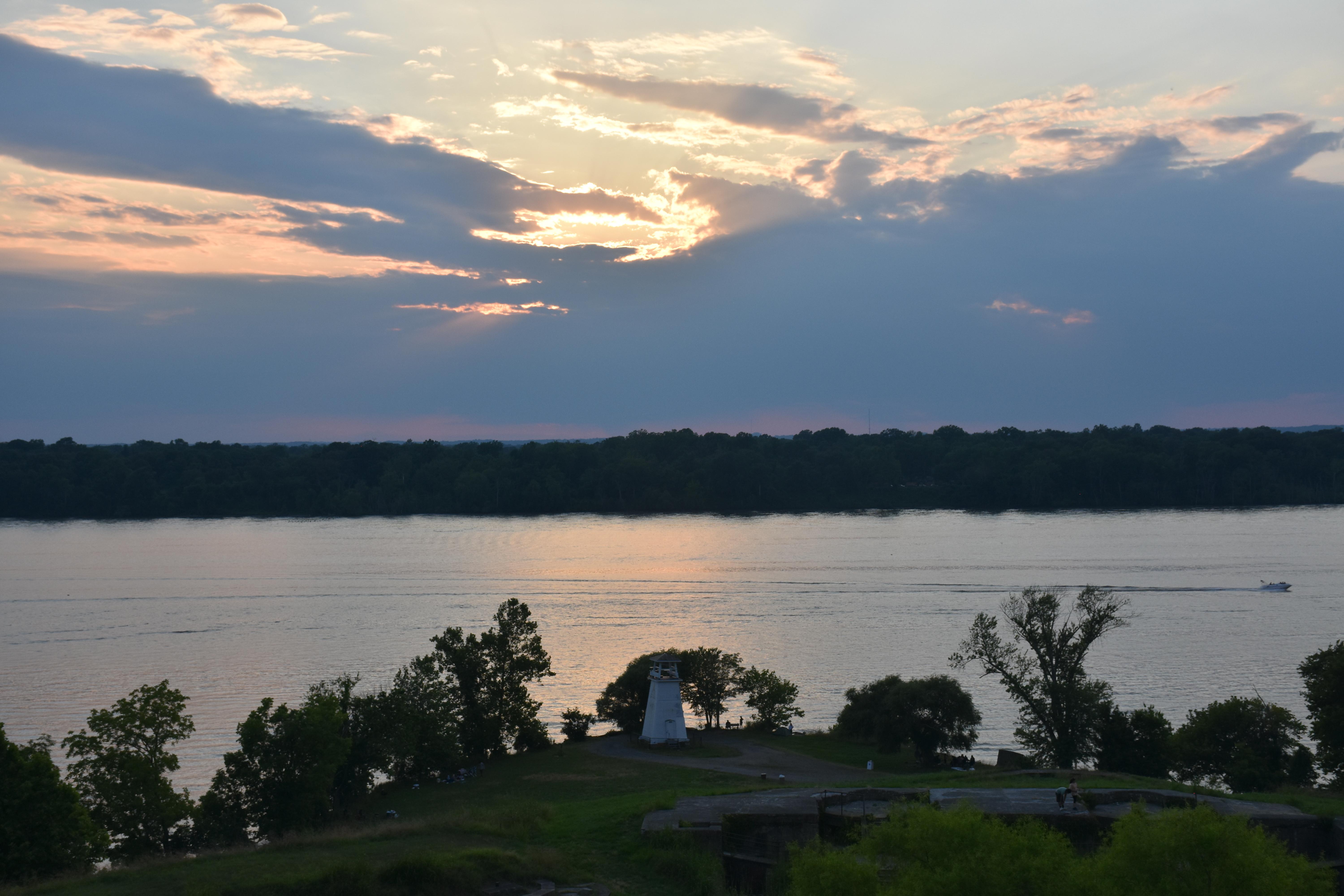
Why it matters: Water changes the feel of the park. Creek corridors can offer a cooler, more enclosed alternative to ridge travel, and the sound of moving water gives a useful counterpoint to the traffic and activity near the busiest gateway communities.
Best for: Visitors traveling in warmer weather, people who prefer shaded walks, photographers interested in close-up details, and groups that need a lower-commitment outdoor experience.
Planning note: Do not assume a creekside setting means dry or easy footing. Check the official NPS page for current trail and weather information, especially after heavy rain, and keep electronics and spare layers protected from spray or sudden showers.
4. Seek Out the Park’s Southern Appalachian Cultural Landscape
Why it matters: Great Smoky Mountains National Park is valued not only for its forests and mountains but also for its remnants of Southern Appalachian mountain culture. Taking time with historic structures, farm landscapes, or interpretive material adds context that scenery alone cannot provide: these mountains have long been places where people lived, worked, traveled, and adapted to difficult terrain.
Best for: History-minded travelers, multigenerational groups, visitors who want a meaningful stop without a strenuous hike, and anyone trying to understand the park beyond its viewpoints.
Planning note: Let this be a deliberate part of the day, not just a quick photo stop. Before you go, verify which cultural areas, buildings, or interpretive opportunities are available through the official NPS site, since access and conditions can change.
Quick take
For a more balanced first visit, combine one big-view outing with one close-to-the-ground experience: a forest walk, creek corridor, or cultural stop. The contrast is part of what makes the Smokies memorable.
5. Use a Scenic Drive as a Real Park Experience, Not Just Transit
Why it matters: In a large mountain park, a scenic drive can be the practical bridge between landscapes. It lets visitors with limited mobility, limited time, or uncertain weather experience changes in elevation and forest character without making the whole day dependent on hiking.
Best for: Road-trippers, families with young children, visitors traveling with someone who does not hike, and travelers arriving from Gatlinburg, Townsend, or Cherokee who want to orient themselves first.
Planning note: Drive with a purpose: choose a general direction, allow time for pull-offs and short walks, and avoid treating every roadside stop as mandatory. Confirm current road status with the NPS before departure; mountain roads can be affected by weather, maintenance, and seasonal conditions.
6. Make an Early-Morning Wildlife and Birding Window
Why it matters: The park’s biological diversity rewards patient observation. Early morning is less about guaranteeing an animal encounter and more about giving yourself a quieter window to listen, scan forest edges, notice movement, and experience the park before the day becomes busier.
Best for: Birders, wildlife-minded visitors, photographers with long lenses, and travelers who would rather begin with an unhurried hour outside than rush toward a headline attraction.
Planning note: Keep expectations responsible: wildlife sightings cannot be promised, and distance is part of respectful viewing. Bring binoculars if you have them, avoid approaching or feeding animals, and follow all current NPS wildlife guidance.
7. Plan One Rain-Friendly Day Instead of Fighting the Forecast
Why it matters: Rain and fog are not automatically failed Smokies weather. Moisture can deepen forest color, make streams more noticeable, and create the layered haze that gave these mountains their name. The useful shift is choosing an experience that benefits from moody conditions rather than forcing a high-view outing when clouds are closing in.
Best for: Flexible photographers, repeat visitors, readers and nature observers, and anyone who prefers an atmospheric forest day to a frustrated search for a view.
Planning note: Keep your rain plan lower in elevation when appropriate, wear layers that stay useful when damp, and protect maps and phones. If conditions include lightning, flooding, strong wind, or closures, follow NPS guidance rather than trying to salvage the original plan.
8. Give Yourself a Dusk-to-Dark Mountain Moment
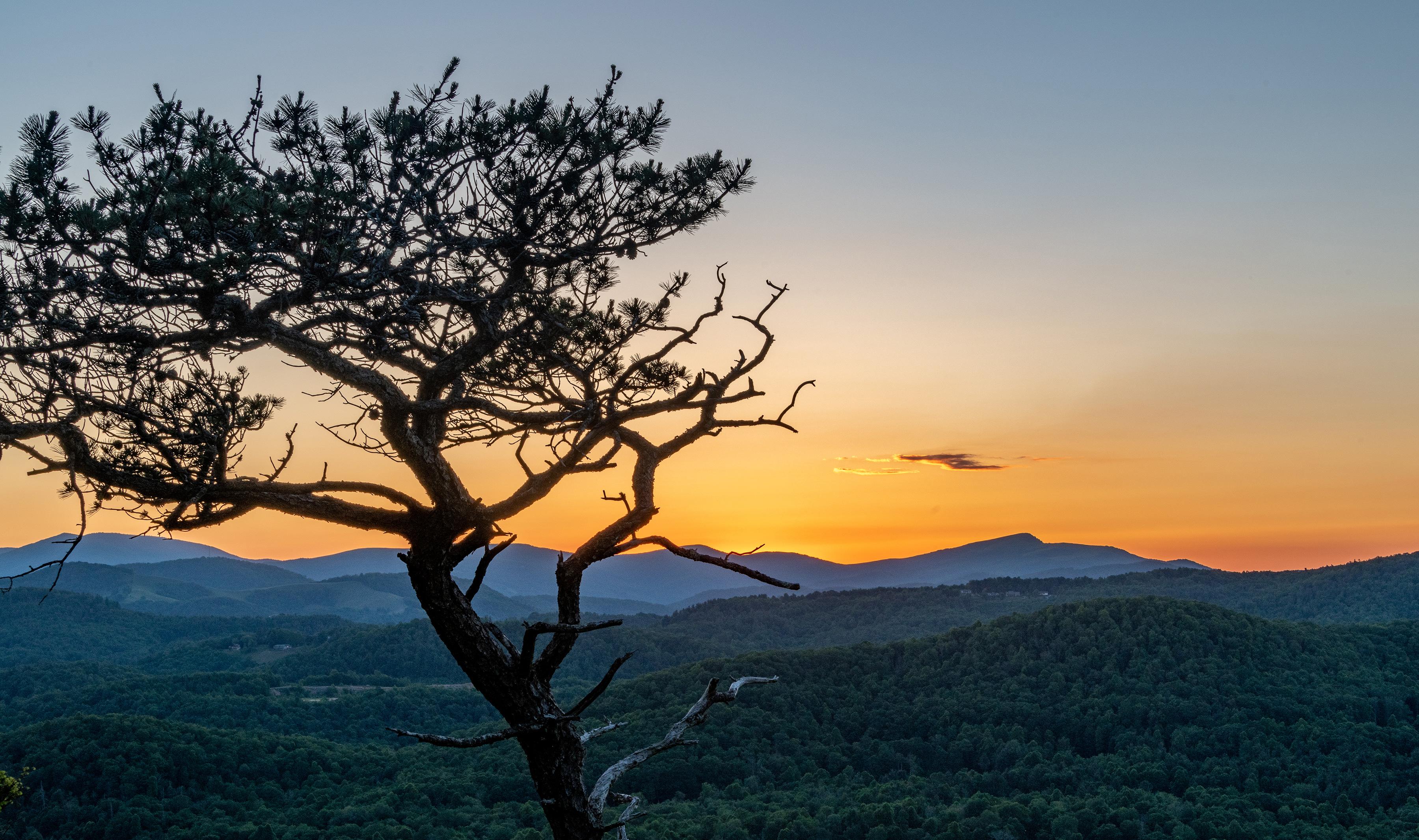
Why it matters: The park changes character late in the day. Temperatures drop, shadows lengthen, and the forest becomes less about wide scenery and more about sound, silhouette, and the transition from day travel to a quieter mountain atmosphere.
Best for: Couples, photographers, patient travelers, and visitors who can be comfortable with a simple ending rather than one more ambitious stop.
Planning note: Make this a conservative experience: know your route back, carry a light source, add a warm layer before you need it, and do not begin an unfamiliar hike near dark. Verify current park information and any relevant access details on the official NPS page before planning an evening outing.
Leave With a Plan That Fits the Day
The Smokies reward visitors who plan for variety rather than conquest. If the ridges are clear, use the opportunity. If clouds settle in, turn toward forest, water, or cultural history. Whether you enter from Tennessee or North Carolina, the practical goal is the same: choose a few experiences that match the conditions in front of you, and let Great Smoky Mountains National Park feel as layered as the landscape itself.
Before you go
- Review official alerts, closures, hours, and reservation requirements.
- Allow extra travel time and keep an alternate plan.
- Use official NPS information as the final authority.
Sources
- Great Smoky Mountains National Park — official National Park Service site — National Park Service, accessed 2026-09-01
Continue planning Great Smoky Mountains
Learn more about Great Smoky Mountains and find other helpful guides, trails, and trip information in the ParkQwest guide.
ParkQwest is a QwestLyfe Community.
QwestLyfe helps you track your lifelong bucket lists, collections, recipes, and the places you've been. Document your experiences, add notes and pictures, and share them with your friends — and the world.