
Cuyahoga Valley National Park: Don't-Miss Experiences
Plan with current information. Conditions, roads, services, fees, and rules can change. Verify details with the National Park Service before your visit.
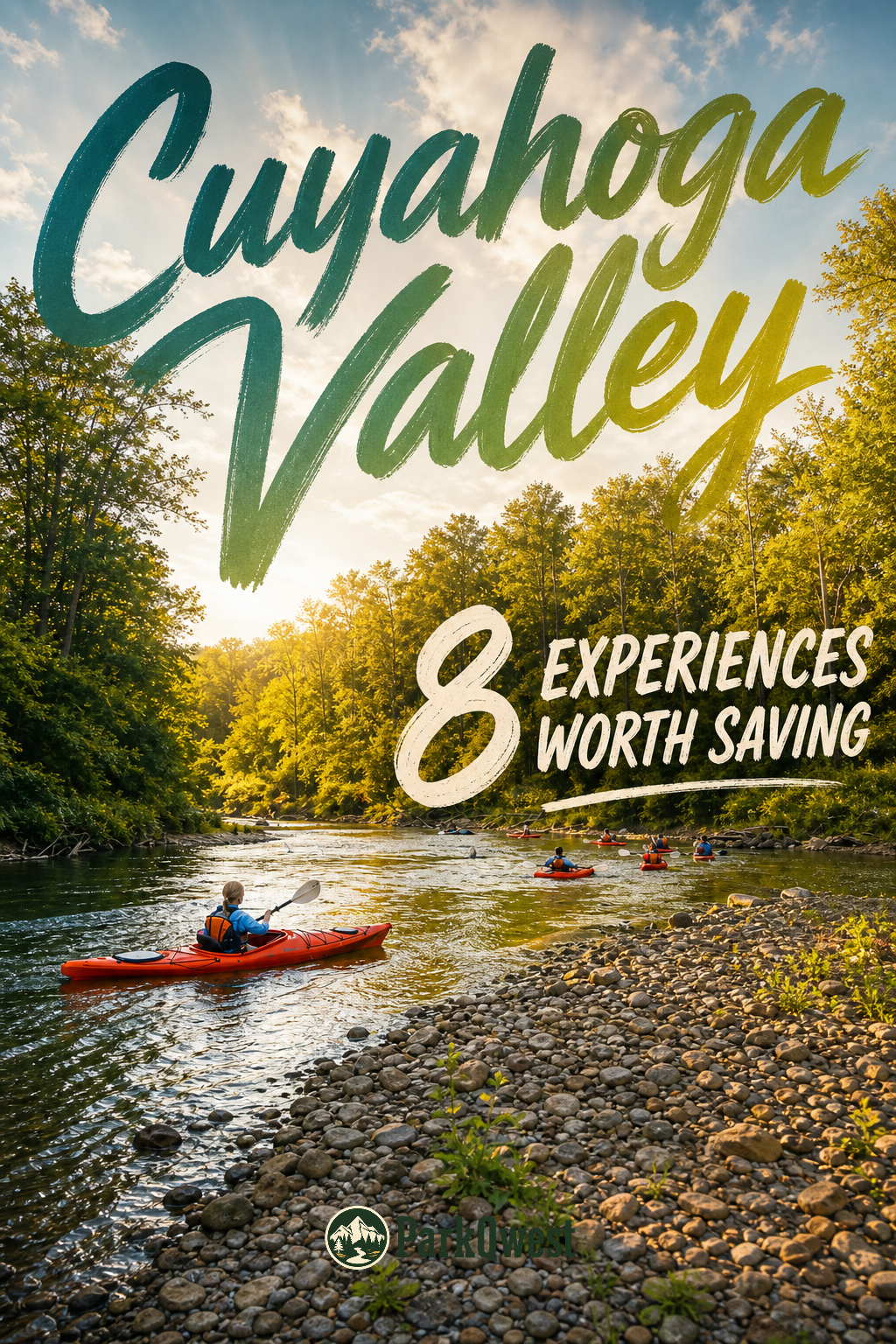
Cuyahoga Valley National Park is most useful when you plan it as a set of small, well-chosen experiences, not one oversized itinerary. Between Cleveland and Akron, the park shifts quickly from the winding Cuyahoga River to forest, rolling hills, farmland, and the historic Ohio & Erie Canal route. That mix makes it especially good for travelers who want a day outdoors without committing every hour to a long hike—or who want an easy way to build a weekend around the season.
How to choose your Cuyahoga Valley day
There is no single “must-do” list here. Pick one experience based on how you want to move—walking, cycling, driving, or lingering—and one based on what you want to notice: history, foliage, water, wildlife habitat, or a quieter winter landscape. Start by checking current conditions on the official NPS page, then use Boston Mill Visitor Center at 6947 Riverview Road in Peninsula as a practical orientation point.
- Short on time: Pair the Towpath Trail with a river or canal-focused stop.
- Traveling in spring or fall: Build around seasonal color, then choose either a forest walk or an open-landscape break.
- Visiting with mixed energy levels: Let active travelers walk or ride while others focus on scenery, history, and visitor-center context.
- Planning a winter visit: Choose one close-to-your-car experience and decide the rest after checking weather and road conditions.
Quick take
The best Cuyahoga Valley itinerary usually has two anchors: one route or viewpoint that gets you outside, plus one slower stop that gives the landscape context. Avoid trying to “cover” the entire park in a single day.
Eight experiences worth building a visit around
1. Walk or ride a meaningful stretch of the Towpath Trail
Why it matters: The Towpath Trail follows the historic route of the Ohio & Erie Canal, so it offers more than exercise: it is a direct way to understand why this valley became a transportation corridor. Its relatively straightforward premise also makes it easier to plan than a route that requires committing to steep terrain or a full-day hike.
Best for: First-time visitors, cyclists, walkers, families, and travelers who want a flexible outing with an easy turnaround point. It is also a smart choice when a group has different fitness levels, since people can choose their own distance without losing the shared experience.
Planning note: Decide in advance whether you are walking or riding, and choose a modest out-and-back segment rather than chasing mileage. Verify current trail conditions, access points, and any cycling guidance on the official NPS page before leaving; wet weather can change the character of a route quickly.
2. Read the valley through the Ohio & Erie Canal story
Why it matters: The canal route is the park’s historical spine. Looking for the human-made traces of travel and commerce changes the experience from “pleasant greenway” to a clearer picture of how the Cuyahoga Valley connected communities and industry.
Best for: History-minded travelers, multigenerational groups, and anyone who enjoys a walk more when there is a story to follow. This is also a useful option for visitors who are not seeking a strenuous outdoor challenge.
Planning note: Begin at Boston Mill Visitor Center if you need help connecting the landscape to the park’s history. Rather than assuming every historic feature is open or interpreted in the same way year-round, check the official NPS website for current exhibits, ranger-led opportunities, and accessible visitor information.
3. Choose a forest walk for the valley’s quieter side
Why it matters: Cuyahoga Valley National Park’s deep forests are the counterpoint to its urban-adjacent location. A forest-focused walk is where the park most clearly feels like a refuge for native plants and wildlife, especially if you slow down enough to notice leaf texture, bird calls, damp ground, and changing light.
Best for: Hikers, photographers, solo travelers, and anyone who wants a break from paved-path momentum. It is a particularly good fit for visitors who would rather have a shorter, more immersive walk than a longer route with a transportation-history theme.
Planning note: Choose a trail category and length that suit the day rather than relying on a social-media route pin. Spring rain can make conditions muddier, summer can be humid, and winter weather can change rapidly; bring footwear with traction and confirm current trail alerts before heading out.
4. Make the Cuyahoga River the point, not just the backdrop
Why it matters: The winding Cuyahoga River is what gives the park its shape. Spending deliberate time near the river helps explain the valley’s curves, lowlands, and mix of natural and historic routes better than treating it as scenery glimpsed between stops.
Best for: Visitors who like landscape photography, nature observation, geography, or a calmer pace. It works especially well for people who want a satisfying outdoor experience without turning the day into a distance goal.
Planning note: Look for a legal, established place to view or approach the river rather than improvising access from roadsides or private-looking edges. Water levels, weather, and nearby conditions can affect the experience, so use the NPS site to identify appropriate current options and follow posted guidance.
5. Notice how open farmland changes the park’s rhythm
Why it matters: The park is not wall-to-wall forest. Its open farmlands create longer views, more sky, and a useful reminder that the Cuyahoga Valley is a lived-in cultural landscape as well as a protected natural one.
Best for: Scenic drivers, casual walkers, photographers, and travelers who appreciate variety more than a single all-day activity. It can be a welcome reset for children or companions who have reached their limit for wooded trails.
Planning note: Treat farms and open fields as places to observe respectfully, not as an invitation to wander off designated public areas. If you are choosing a stop specifically for agricultural interpretation or seasonal activity, verify what is available through the NPS before building your day around it.
Quick take
For a balanced first visit, combine one linear experience—such as a section of the Towpath Trail—with one place where you can pause and look outward, such as a river or open-landscape stop. The contrast is the point.
6. Time a spring visit around new leaves and wildflowers
Why it matters: Spring brings rain, warming temperatures, new leaves, and blooming wildflowers. It is the season for paying attention to detail: fresh green canopy, softer ground, and the sense that the landscape is changing almost daily.
Best for: Plant lovers, repeat visitors, photographers, and travelers willing to trade predictability for seasonal freshness. Spring is also a strong choice for people who prefer cooler walking weather to summer heat.
Planning note: Pack layers and rain protection, and avoid assuming a favorite route will be dry. Wildflower timing varies with weather, so look to current NPS updates rather than planning around a fixed peak date.
7. Build a fall day around foliage—but leave room for temperature swings
Why it matters: Fall foliage often peaks in mid-October, bringing color to forested hills while open areas offer a broader view of the seasonal shift. It is an ideal time for a deliberate combination of walking, cycling, and scenic pauses rather than a rushed checklist.
Best for: Leaf-peepers, weekend travelers, couples, and photographers who want a high visual payoff without needing a major expedition. It also suits visitors who enjoy a brisker day outdoors.
Planning note: Fall daytime temperatures may be in the low 70s, while nights can reach freezing. Bring layers that can handle both a warm afternoon and a cold finish, and check current foliage and weather information instead of treating mid-October as a guarantee.
8. Let winter simplify the itinerary
Why it matters: Winter strips the park back to its structure: river bends, bare woods, open fields, and the canal corridor become easier to read without dense foliage. It can be the right season for a quieter, more contemplative visit—provided conditions cooperate.
Best for: Local or flexible travelers, winter photographers, and visitors who prefer solitude over packed seasonal schedules. It is not automatically the best choice for a first-time visitor with a rigid agenda.
Planning note: Lake-effect snow from Lake Erie can cause conditions to change rapidly, and temperatures may range from the mid-30s to below zero. Check forecasts and NPS alerts immediately before departure, dress for exposed time outdoors, and keep your plan intentionally short and adjustable.
The practical takeaway: Cuyahoga Valley National Park rewards selection over accumulation. Choose the experience that matches your season and energy, then give it enough time to become more than a quick photo stop.
Before you go
- Review official alerts, closures, hours, and reservation requirements.
- Allow extra travel time and keep an alternate plan.
- Use official NPS information as the final authority.
Sources
- Cuyahoga Valley National Park — official National Park Service site — National Park Service, accessed 2026-08-29
Continue planning Cuyahoga Valley
Learn more about Cuyahoga Valley and find other helpful guides, trails, and trip information in the ParkQwest guide.
ParkQwest is a QwestLyfe Community.
QwestLyfe helps you track your lifelong bucket lists, collections, recipes, and the places you've been. Document your experiences, add notes and pictures, and share them with your friends — and the world.