Park of the Day: River Raisin National Battlefield Park
Plan with current information. Conditions, roads, services, fees, and rules can change. Verify details with the National Park Service before your visit.
River Raisin National Battlefield Park deserves a traveller’s attention because it asks us to look beyond a familiar Great Lakes landscape and confront a turning point in the War of 1812. In Monroe, Michigan, along the western shoreline of Lake Erie, this is a place where military history, Indigenous history, and the long consequences of national policy meet in one powerful story.
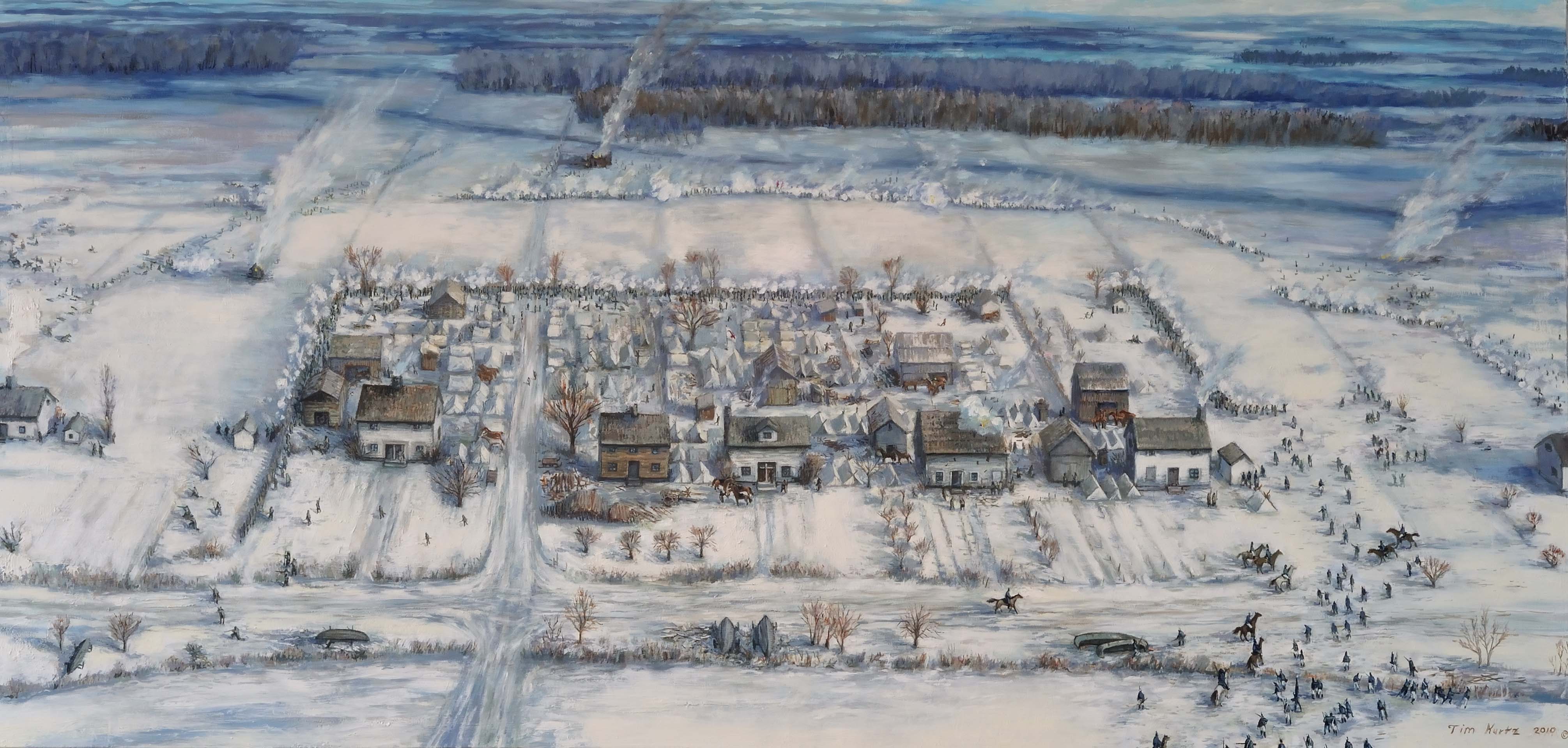
For visitors exploring southeastern Michigan, it offers an essential stop that is less about checking off a landmark and more about making time for context. The January 1813 battles preserved here brought the greatest victory for Tecumseh’s Confederation and the British, as well as the greatest defeat for the United States during the war.
A battlefield with consequences that continue
River Raisin is distinctive not simply because of what happened during the battles, but because of what followed. The park interprets the aftermath of the conflict, including the U.S. Indian laws that forced the removal, relocation, and assimilation of Native nations—an aftermath that continues today.
That scope gives a visit unusual weight. Rather than treating the battlefield as an isolated chapter of military history, River Raisin invites us to consider the people, alliances, losses, and policies connected to it. It is a place to bring curiosity, patience, and a willingness to sit with difficult history.
Quick take
Visit River Raisin National Battlefield Park for a focused, thought-provoking encounter with the War of 1812, Tecumseh’s Confederation, and the enduring consequences of the conflict for Native nations.
What a visit feels like
This is a park best approached at an unhurried pace. We would plan to read carefully, ask questions, and allow the setting in Monroe to frame the history rather than rushing through it as a quick roadside stop.
The park’s story reaches from the January 1813 battles into the present, so the strongest experience may be the act of connecting events across time. Travellers interested in American military history will find an important battlefield here, while those seeking a fuller understanding of Indigenous history and federal policy will find equally compelling reasons to stop.
Two ways to make the most of it
First, use the visit to focus on the competing forces involved in the War of 1812. The victories and defeats remembered here were not abstract outcomes: they shaped the position of Tecumseh’s Confederation, the British, the United States, and Native nations in the region.
Second, give the aftermath as much attention as the battle itself. River Raisin’s interpretation makes clear that the consequences extended beyond 1813, helping lead toward U.S. Indian laws that imposed removal, relocation, and assimilation. That broader lens is what makes this battlefield feel especially relevant today.
Planning a visit
River Raisin National Battlefield Park is in the city of Monroe in southeastern Lower Michigan, on the western shore of Lake Erie. Park headquarters is about 35 miles south of Detroit and about 270 miles east of Chicago, making it a practical addition to a regional road trip.
- By car, take Interstate 75 to Exit 15, then travel south on Dixie Highway to 333 North Dixie Hwy, on the right.
- Allow enough time to engage with the park’s historical interpretation rather than treating it as a brief pass-through.
Michigan weather can change quickly, so flexible layers are a smart year-round choice. Around Monroe, winter highs generally range from 30°F to 45°F, while summer highs generally range from 70°F to 85°F. Spring can run from highs of 40°F to 70°F, and fall conditions can vary widely, with highs ranging from 40°F to 80°F.
Whenever we go, River Raisin rewards a visit with attention and reflection. It is a national battlefield park where the past is not sealed off: the events of 1813 and their aftermath remain part of an ongoing American story.
Before you go
- Review official alerts, closures, hours, and reservation requirements.
- Allow extra travel time and keep an alternate plan.
- Use official NPS information as the final authority.
Sources
- River Raisin National Battlefield Park — official National Park Service site — National Park Service, accessed 2026-08-28
Continue planning River Raisin
Learn more about River Raisin and find other helpful guides, trails, and trip information in the ParkQwest guide.
ParkQwest is a QwestLyfe Community.
QwestLyfe helps you track your lifelong bucket lists, collections, recipes, and the places you've been. Document your experiences, add notes and pictures, and share them with your friends — and the world.