
Cuyahoga Valley National Park: Park Inspiration
Plan with current information. Conditions, roads, services, fees, and rules can change. Verify details with the National Park Service before your visit.
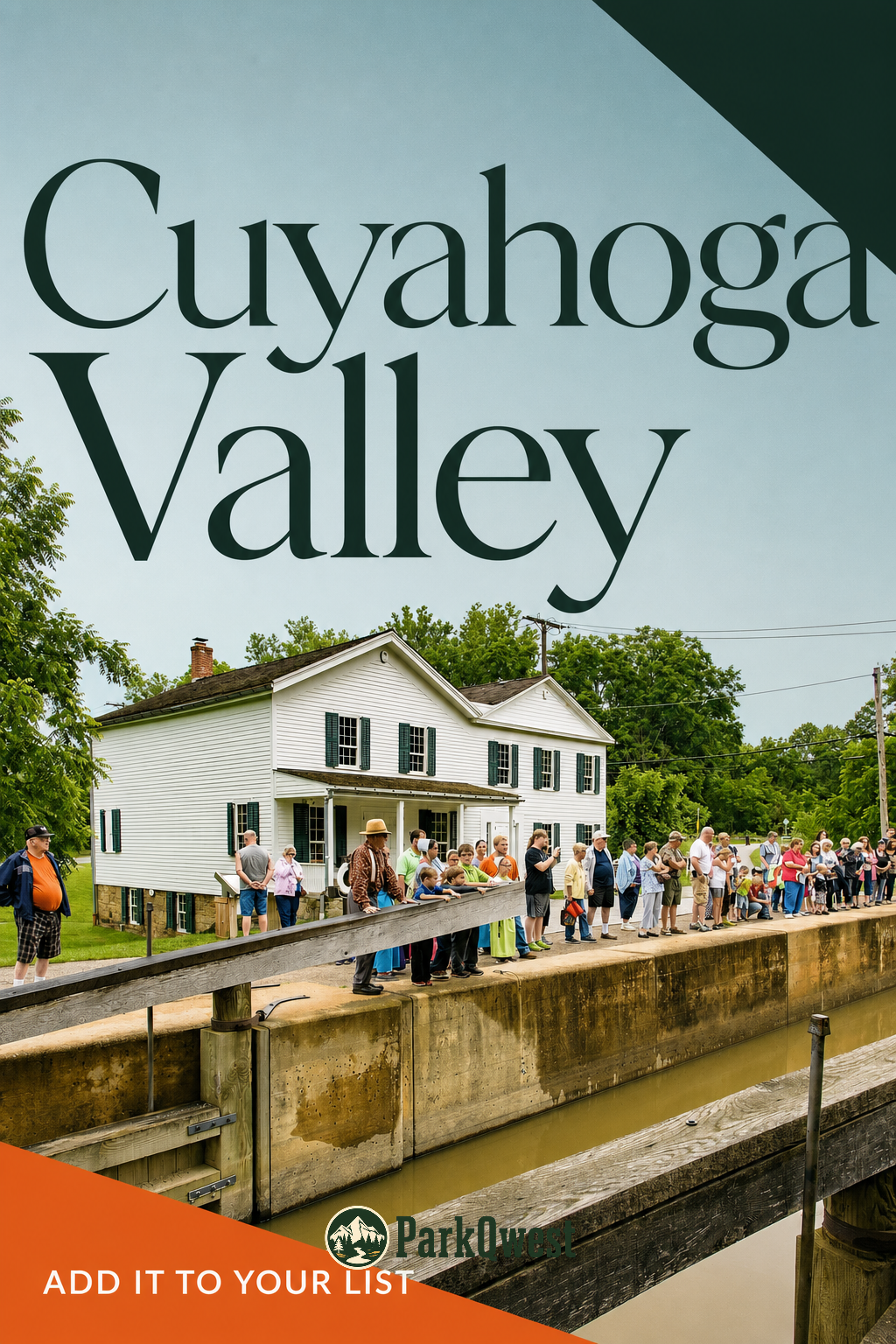
Cuyahoga Valley National Park is the kind of place that changes scale as you move through it. From Cleveland or Akron, the shift can feel almost improbable: developed streets give way to a winding river, wooded slopes, old canal country, and fields that make the surrounding city feel farther away than it is. This is not a park built around one grand overlook or a single must-see landmark. Its pull is quieter and more personal—an invitation to spend a day following water, weather, and your own curiosity. Save it for the moments when you want a national park experience that feels reachable, unrushed, and surprisingly restorative.
Come for the contrast: an urban-edge park that feels like an exhale
The first thing worth understanding about Cuyahoga Valley National Park is that its setting is part of the experience. It sits within easy reach of Cleveland and Akron, yet the landscape is defined by the Cuyahoga River, deep forest, rolling hills, and open farmland. That combination gives a visit a pleasing sense of motion: one minute you are thinking about logistics, and the next you are listening for birds in the trees or watching the river bend away beneath a green bank.
This is a park for people who enjoy noticing transitions. The canal-era route beside the river offers a human history thread through the valley, while forest and field create space for native plants and wildlife. Rather than trying to “conquer” the park, the better approach is to choose a few ways to move through it slowly enough to notice what changes.
Quick take
Put Cuyahoga Valley on your list if your ideal national park day includes a real change of scenery without committing to a remote expedition. Its reward is not spectacle on command; it is the accumulating calm of river bends, wooded miles, historic canal landscapes, and time outdoors that can fit around a broader Northeast Ohio trip.
Build your visit around a feeling, not a checklist
Because the park is spread through a lived-in valley rather than contained behind one entrance road, it helps to decide what you want the day to feel like before deciding exactly where to go. A first visit can be simple: start at the Boston Mill Visitor Center, orient yourself, then choose one main outing and leave room for a slower second stop.
For the “I need to clear my head” day
Walk or ride part of the Towpath Trail. The trail follows the historic route of the Ohio & Erie Canal, offering an intuitive way to understand the valley without needing an elaborate itinerary. A walk lets you linger over river sounds, canal remnants, changing vegetation, and small details; a bike covers more ground but asks for more attention to route planning, weather, and turnaround time.
The useful tradeoff is pace. If you have arrived after a busy travel day, choose a shorter out-and-back walk and resist the urge to make mileage the goal. If you are eager to spend several active hours outside, cycling can turn the park into a flowing point-to-point-feeling experience—just confirm current trail conditions, bike availability if needed, and logistics on the official NPS page before you go.
For the “I want a seasonal reset” day
Let the calendar shape the plan. Cuyahoga Valley is especially suited to return visits because the same broad landscape changes character so strongly across the year. Spring brings new leaves and wildflowers after rain; summer can be warm and humid; autumn is the season for color and crisp-edge light; winter offers a more hushed, spare version of the valley.
| Season | Why it is worth seeking | Planning reality |
|---|---|---|
| Spring | Fresh green growth, blooming wildflowers, and the satisfying feeling of the landscape waking up. | Rain is part of the season; choose footwear and layers accordingly. |
| Summer | Longer days for walking, riding, and pairing the park with nearby city time. | Temperatures can range from 49 to 95°F and humidity can be substantial. |
| Fall | Rolling hills and forest make a natural frame for autumn color; foliage often peaks in mid-October. | Days may be mild while nights approach freezing, so pack for both. |
| Winter | A quieter, more contemplative valley—especially appealing if you enjoy seeing familiar landscapes simplified by cold and snow. | Lake-effect snow can change conditions rapidly; temperatures can fall below zero. |
For the “I want a meaningful first national park memory” day
Make space for the ordinary moments that become the memorable ones. In Cuyahoga Valley, that may be a stretch of trail where the trees close in, a pause beside the river, the texture of an old transportation corridor, or the sight of open farmland after a wooded section. The park’s gift is that it does not demand a dramatic narrative from you. It gives you room to make one.
That makes it especially good for traveling with someone whose energy level differs from yours. One person can take a longer walk or ride while another chooses a shorter outing, visitor center stop, or scenic pause. The day can still feel shared because the valley itself is the common thread.
Start smart, then let the day loosen up
For a first-time visit, Boston Mill Visitor Center at 6947 Riverview Road in Peninsula is a practical anchor. It is a sensible place to get current information, understand where you are in the park, and adjust your plan around weather, trail conditions, or the time you actually have. In a park with many access points, beginning with orientation can save more frustration than a heavily scheduled itinerary.
- Choose one primary mode: walking, biking, or a mostly scenic orientation day. Trying to do all three can make the park feel fragmented.
- Decide your weather threshold: spring rain, summer humidity, and fast-changing winter conditions each affect comfort differently. Bring layers in every season.
- Leave a margin before sunset: especially in fall and winter, when daylight and temperatures can drop quickly.
- Verify current details: check the official NPS page for alerts, route conditions, visitor center information, temporary closures, and any current transportation options.
A better way to plan this park
Think in chapters rather than attractions: begin with orientation, spend the middle of the day moving alongside the valley, and end with one unhurried stop. Cuyahoga Valley rewards a plan with breathing room more than a packed map of pins.
The practical details that protect the mood
Accessibility to the region is one of the park’s quiet advantages. The park is reachable by car from all directions, and travelers flying in can use Cleveland Hopkins International Airport or Akron-Canton Regional Airport, where car rentals are available. Bus stations are located in downtown Cleveland and Akron, and some local RTA routes stop near the park; rail travelers can arrive via Amtrak in downtown Cleveland.
Still, “near the city” does not mean “no preparation needed.” The park’s weather has real range. Summer can be humid, fall can swing from low 70s during the day to freezing at night, and winter lake-effect snow can quickly alter conditions. A light insulating layer, rain protection, water, and footwear that works on wet or uneven ground are more useful than overpacking specialty gear.
- Footwear: Choose shoes you trust on damp paths, especially in spring or after rain.
- Layers: Bring an extra layer even when the forecast looks mild; valley conditions and shade can feel cooler than expected.
- Time: A half-day can be satisfying, but a full day gives you the freedom to slow down rather than rush between locations.
- Expectations: Come prepared to observe rather than demand a wildlife encounter. Native plants and wildlife are part of the park’s refuge, but sightings are never a promise.
Why this one stays with people
Some parks make their case in the first five minutes. Cuyahoga Valley National Park tends to work more gradually. The emotional arc is often simple: arrival feels convenient, the first few minutes outdoors feel pleasant, and then the valley begins to recalibrate your sense of where you are. By the time you leave, the closeness of Cleveland and Akron can make the experience feel even more remarkable—not less.
Save Cuyahoga Valley National Park for the day you want nature to meet you where you are. Save it for a fall-color weekend, a rain-cleared spring walk, a summer ride along canal country, or a quiet winter outing planned around conditions. Then keep the official NPS page bookmarked, because the most useful version of this trip is the one shaped by the season waiting when you arrive.
Before you go
- Review official alerts, closures, hours, and reservation requirements.
- Allow extra travel time and keep an alternate plan.
- Use official NPS information as the final authority.
Sources
- Cuyahoga Valley National Park — official National Park Service site — National Park Service, accessed 2026-08-24
Continue planning Cuyahoga Valley
Learn more about Cuyahoga Valley and find other helpful guides, trails, and trip information in the ParkQwest guide.
ParkQwest is a QwestLyfe Community.
QwestLyfe helps you track your lifelong bucket lists, collections, recipes, and the places you've been. Document your experiences, add notes and pictures, and share them with your friends — and the world.