
Bryce Canyon National Park: Park Inspiration
Plan with current information. Conditions, roads, services, fees, and rules can change. Verify details with the National Park Service before your visit.
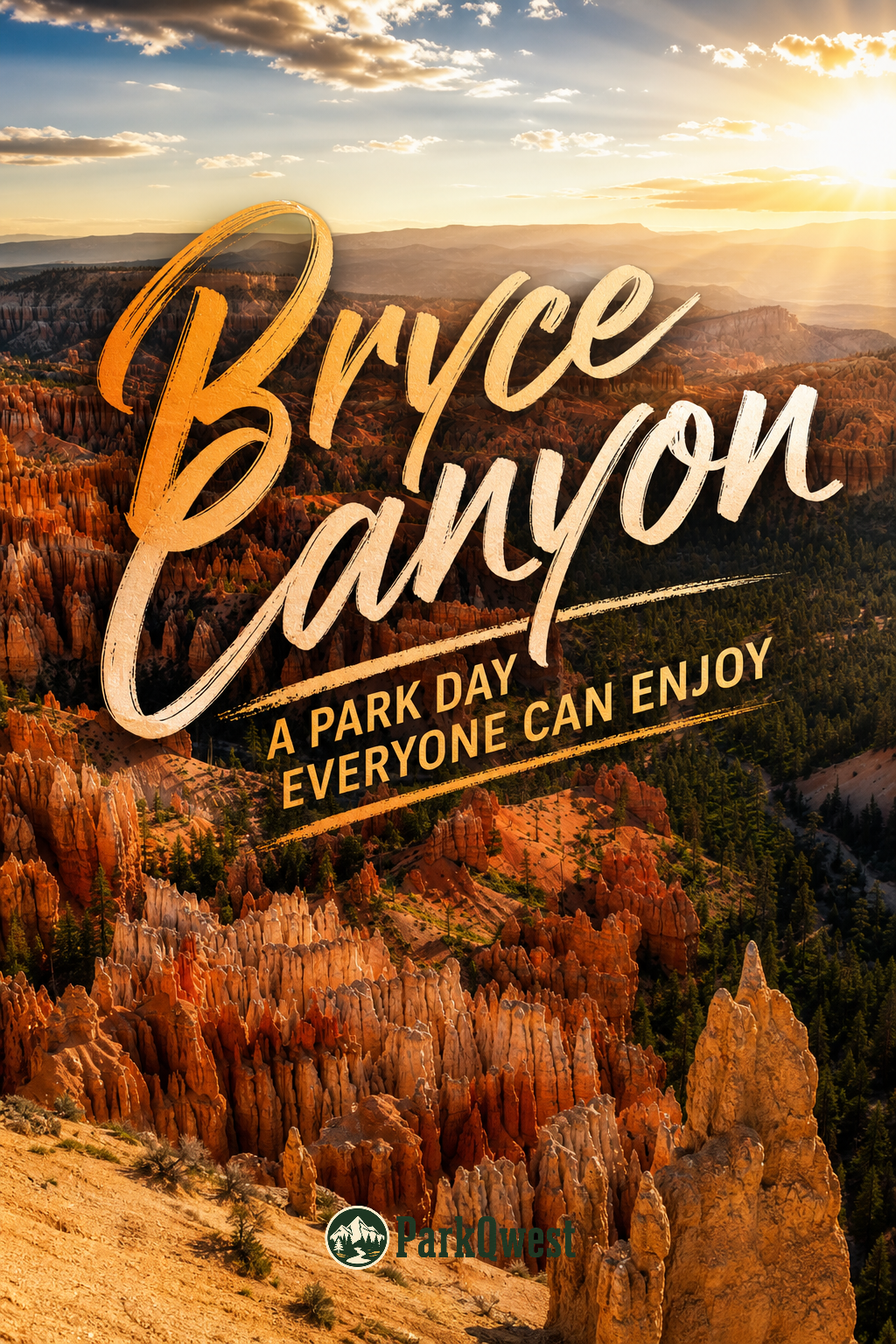
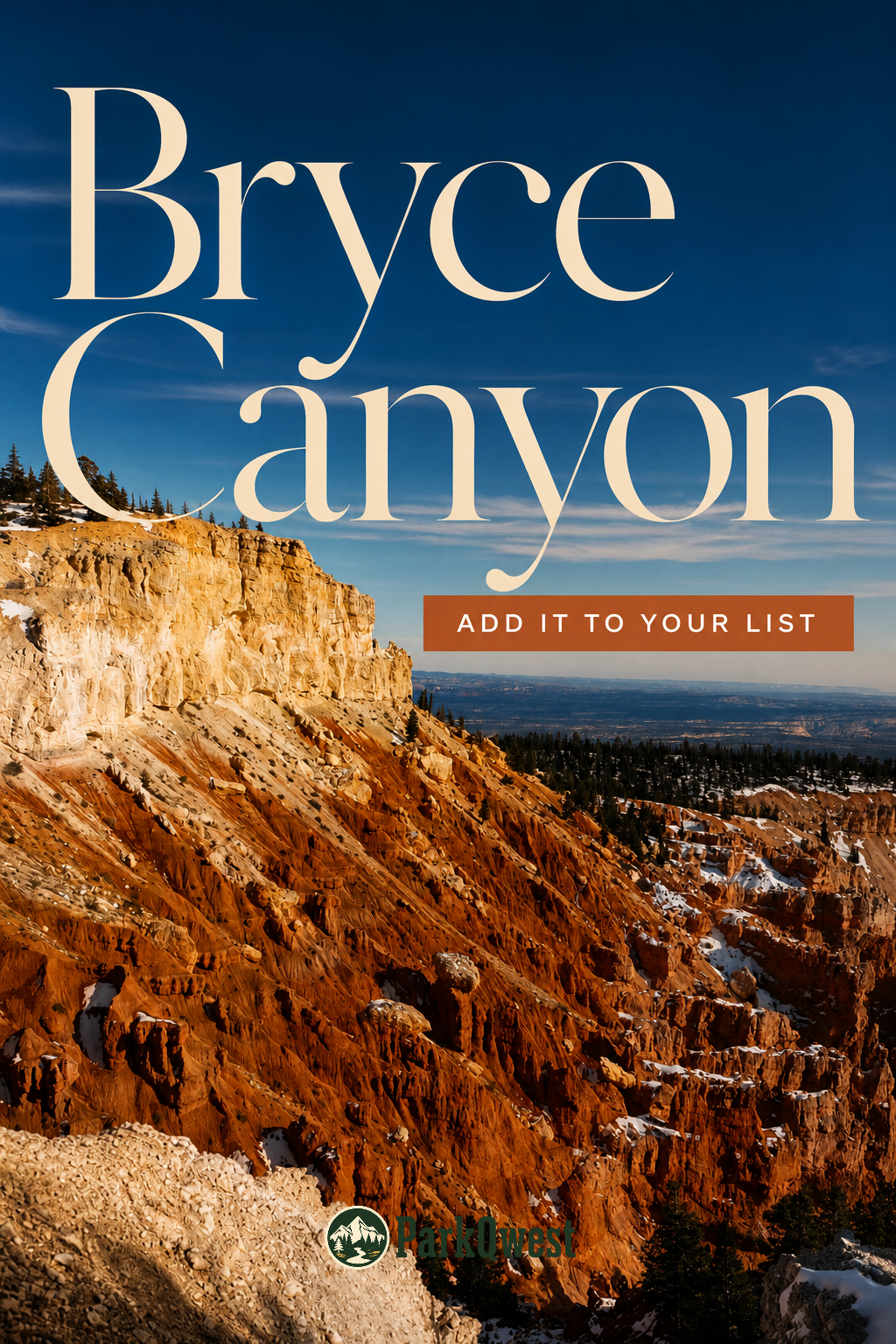
Bryce Canyon National Park belongs on a lifelong list because it changes the scale of your imagination. From the rim, the landscape does not read like a single canyon so much as an immense amphitheater filled with stone: thousands of hoodoos—irregular rock columns—rising in shades that shift from cream to rust, coral, and red as the light moves. The National Park Service notes that hoodoos occur on every continent, but Bryce Canyon holds the largest concentration on Earth. That distinction is impressive on paper; in person, the real appeal is the slow realization that the view keeps going long after your eyes assume it must end.
The moment Bryce Canyon makes sense
The first reward is often the rim experience: cool high-elevation air, a broad horizon, and a sudden drop into a maze of weathered rock. Bryce Canyon sits atop the Grand Staircase, and its elevation creates a feeling that is markedly different from Utah’s hotter, lower desert country. Even in summer, daytime highs are commonly in the 70s to 80s°F, while the light, wind, and temperature can make the rim feel more alpine than desert.
Give yourself permission to pause before trying to “do” the park. This is a place where a viewpoint can be the event, especially early or late in the day. Spend a few unhurried minutes looking at the hoodoos without taking photographs, then look again after your eyes adjust to the layers: narrow fins, distant plateaus, shadowed gullies, and individual rock forms that begin to stand out from the crowd.
Quick take
Bryce Canyon is especially rewarding for travelers who value atmosphere over checklist mileage. Build in time for one rim view in changing light, one walk that brings you closer to the hoodoos if conditions allow, and one dark-sky pause after sunset.
Plan for an emotional arc, not a packed itinerary
A memorable Bryce Canyon day tends to unfold in stages. Start with the big-picture reveal from the high rim, then choose whether you want to stay above the formations or descend into their scale. Later, let the day become quieter: the crowds thin, shadows lengthen, and the rock architecture becomes less about postcard color and more about texture.
First: seek the wide view
The rim is where Bryce Canyon feels almost unreal. It is the best place to understand the size of the amphitheater and the density of the hoodoos. For travelers with limited time, this is the priority: a carefully chosen overlook and enough patience to experience it in more than one kind of light can be more satisfying than rushing through multiple stops.
Morning and late afternoon are often the most compelling windows for photography and simple looking, because angled light gives the formations more depth. That said, weather can change the mood completely. Clouds, haze, snow, or a passing storm may mute the colors, but they can also add contrast and drama that a clear blue sky cannot.
Then: decide whether the day calls for a descent
Walking below the rim changes the experience from panoramic to intimate. Hoodoos that looked tiny from above become tall walls and narrow passages; the route back up becomes part of the memory. Because trail conditions, closures, snow, ice, and maintenance can change, confirm the current options on the official Bryce Canyon National Park website before committing to a specific route.
- Choose a rim-focused day if you have limited time, uncertain weather, mobility concerns, or simply want to linger over views and photography.
- Choose a below-rim walk if you want to feel the formations at human scale and are prepared for uneven terrain, elevation, and the effort of returning uphill.
- Choose a mixed day if conditions are stable: begin with the panorama, take one purposeful walk, then return to the rim near evening rather than trying to cover every possible stop.
The practical tradeoff is simple: more movement does not always mean a fuller Bryce Canyon experience. A rushed descent can leave little time for the park’s strongest quality—the chance to watch an extraordinary landscape become more detailed and stranger the longer you look.
What the seasons actually ask of you
Bryce Canyon’s high-elevation climate is not a minor planning footnote. The NPS advises that weather can be highly variable through autumn, winter, and spring, with temperatures falling below freezing nearly every night from October through May. The same park can feel like a sunny summer escape, a snowy winter landscape, or a shoulder-season road-and-footwear puzzle depending on when you arrive.
| Season window | Why it can be special | Practical tradeoff |
|---|---|---|
| December–February | Snow can make the red-and-orange formations appear even more graphic and sculptural. | These are typically the coldest, snowiest months; travel and access may be affected. |
| March–April | A transitional landscape can offer bright snow, clear air, and a sense of renewal. | Spring storms can still bring heavy snowfall, affecting regional travel and park plans. |
| July–August | Comfortable-for-Utah daytime highs and long daylight support a full day outdoors. | Afternoon thunderstorms are common, so early starts and current forecasts matter. |
Pack for the park’s elevation rather than Utah’s reputation for heat. A warm layer, rain protection, sun protection, water, and sturdy footwear can all belong in the same daypack. In colder months, do not assume a sunny forecast means dry paths or easy driving; check current NPS alerts and regional road conditions before leaving your lodging.
A smart weather rule
Treat Bryce Canyon’s forecast as a decision tool, not a decoration on your itinerary. Check it the day before and again on the morning you enter the park, especially from October through May and during summer thunderstorm season.
Make the approach part of the anticipation
There is no need to overcomplicate the drive, but it is worth understanding that Bryce Canyon is reached by scenic southern Utah highways rather than a large urban gateway. From the north, the NPS directs visitors from I-15 via UT-20, US-89, UT-12, and UT-63. From the south through Zion National Park, the route follows UT-9 through Zion to US-89, then UT-12 and UT-63; travelers coming from the east use UT-12 to UT-63.
Leave margin around your arrival time. This is not because every route is difficult, but because mountain weather, scenic-road pacing, fuel stops, and the temptation to pull over can turn a tightly timed plan into an anxious one. If you hope to catch low-angle evening light or a dark-sky window, arrive earlier than the moment you want to be standing at the rim.
Stay after the color fades
The NPS identifies Bryce Canyon’s dark skies as one of the park’s defining natural features. After sunset, the landscape’s visual spectacle gives way to a different kind of scale: a colder breeze, a quieter rim, and stars that can make the high plateau feel even farther from ordinary routine. Exact conditions depend on clouds, moonlight, seasons, and current access, but the impulse is worth building into your plan.
Dark-sky time is not just for serious photographers. Bring a warm layer, protect your footing, allow your eyes time to adjust, and keep lights low and directed downward. Even a short, patient stop can be the moment that turns Bryce Canyon from a beautiful daytime destination into a place you remember bodily—the chill in the air, the hush after traffic fades, the sense of standing at the edge of an ancient stone city.
Leave with more than photos
Bryce Canyon’s hoodoos look delicate because they are: they are geological wonders shaped over long spans of time by weathering, and the high plateau’s plant and animal communities are part of the experience too. Keep your visit light on the landscape—stay on designated routes, pack out what you bring, give wildlife space, and avoid treating fragile ground as a better angle for a photograph.
Save Bryce Canyon National Park for the day you want wonder to feel both enormous and close at hand. Save it for a clear summer morning, a snow-edged winter view, a stormy spring gamble checked carefully against current conditions, or a night when the sky asks you to slow down. Then help preserve the conditions that make that feeling possible: respect the rim, the dark, the quiet, and the improbable stone world below.
Before you go
- Review official alerts, closures, hours, and reservation requirements.
- Allow extra travel time and keep an alternate plan.
- Use official NPS information as the final authority.
Sources
- Bryce Canyon National Park — official National Park Service site — National Park Service, accessed 2026-08-24
Continue planning Bryce Canyon
Learn more about Bryce Canyon and find other helpful guides, trails, and trip information in the ParkQwest guide.
ParkQwest is a QwestLyfe Community.
QwestLyfe helps you track your lifelong bucket lists, collections, recipes, and the places you've been. Document your experiences, add notes and pictures, and share them with your friends — and the world.