Rocky Mountain National Park: Best Time to Visit
Plan with current information. Conditions, roads, services, fees, and rules can change. Verify details with the National Park Service before your visit.
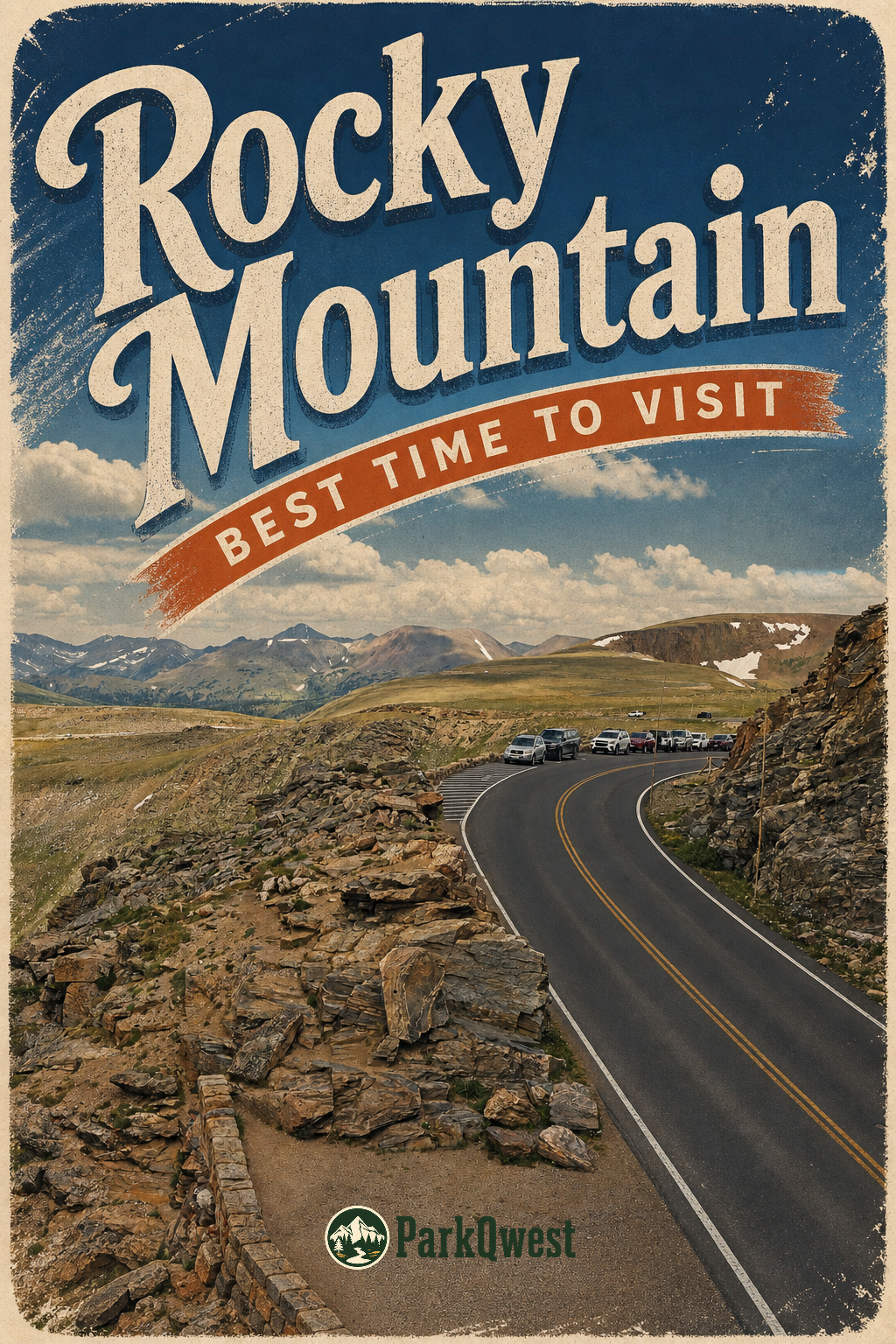
The best time to visit Rocky Mountain National Park depends less on a single “best month” than on what you need the park to be able to do. This is a high-elevation park—ranging from about 7,800 feet to peaks above 14,000 feet—so the difference between a meadow outing, an alpine drive, a long hike, and a snowy scenic weekend can be enormous. Summer gives you the broadest access; fall offers a sharper balance of color, wildlife viewing, and thinning crowds; spring is for patient travelers who can enjoy a partial-season park; and winter is ideal when snow is the point rather than an inconvenience.
Use this guide to choose the season that matches your priorities, then verify current road, trail, weather, and seasonal-access conditions on the official Rocky Mountain National Park website. In this park, durable seasonal patterns are useful—but current conditions make the final call.
At a Glance: What Each Season Actually Delivers
| Season | Best for | Main advantage | Main tradeoff |
|---|---|---|---|
| Spring | Lower-key trips, foothill scenery, snow-season flexibility | Fewer visitors than peak summer | Snow and mud can limit higher-elevation plans |
| Summer | First-time visits, hiking variety, broad access | Longest days and widest range of available terrain | Crowds, parking pressure, afternoon storms |
| Fall | Scenery, cooler hiking, wildlife-focused trips | Crisp light, changing foliage, easing summer demand | Winter weather can arrive before you expect it |
| Winter | Snowy landscapes, quiet, winter recreation | A more peaceful, distinctly mountain experience | Short days and reduced vehicle access |
Quick take
Choose summer if your trip only happens once and you want the widest possible menu of park experiences. Choose fall if you can accept a little more weather risk in exchange for cooler days, seasonal color, and a less peak-season feel.
Spring: Best for a Flexible, Lower-Pressure Visit
Spring is Rocky Mountain National Park’s transition season, not an early version of summer. Lower elevations may look green and inviting while higher terrain remains deeply snowy, icy, or inaccessible. That contrast can be appealing if you enjoy scenic stops, wildlife watching from appropriate distances, and choosing your day based on conditions rather than checking off a fixed list.
Expect weather character to be unsettled. A mild morning near the park’s lower elevations can give way to wind, snow, rain, or a rapid temperature drop higher up. Snowmelt also creates wet, muddy, and variable trail conditions, so a trail that appears feasible on a map may not be the right choice that day.
Who should pick spring?
- Flexible weekend travelers: You are happy to pivot between viewpoints, lower-elevation walks, and time in nearby gateway communities if conditions change.
- Visitors avoiding peak crowds: You value a quieter atmosphere more than guaranteed access to every part of the park.
- Snow-season enthusiasts: You want a snowy mountain setting and understand that winter-style traction, route knowledge, and current-condition checks may matter.
The spring tradeoff is uncertainty. Do not choose it for a trip built around high-elevation driving or a specific alpine hike unless you are comfortable with a backup plan. Before leaving, check the NPS weather page and current alerts, especially if your itinerary depends on roads that cross high terrain.
Summer: Best for Maximum Access—and an Early Start
Summer is the most practical season for visitors who want the fullest range of Rocky Mountain National Park landscapes in one trip. Its long daylight window makes it easier to pair a morning hike with lake views, scenic driving, or a second short outing. It is also the season most likely to suit mixed-interest groups, because more of the park’s montane, subalpine, and alpine environments may be reachable.
The price of that access is demand. Popular areas can feel busy, parking can become a daily logistical issue, and the most comfortable part of the day is often the morning. In mountain terrain, afternoon thunderstorms are a meaningful planning factor—not merely an inconvenience—particularly if your plans put you above tree line or far from shelter.
How to make summer feel less stressful
- Put your highest-priority outdoor activity first. Early light is often calmer, trailheads are less pressured, and you leave more room for weather changes later.
- Build an afternoon that works below high exposed terrain. Scenic stops, a shorter walk, or a relaxed return are better than forcing a long alpine objective as storms develop.
- Separate “must do” from “nice to do.” Summer rewards travelers who identify one key experience per day rather than trying to cover all 415 square miles.
Summer suits first-time visitors, families with a limited number of days, and hikers who want the best odds of snow-free trails at lower and middle elevations. It is less ideal for travelers whose top priority is solitude or who dislike planning around crowds and changing afternoon weather.
Quick take
In summer, the winning strategy is not “see more.” It is “start earlier, choose one priority, and keep the afternoon movable.” That is how broad access becomes a good day instead of a rushed one.
Fall: Best for Cooler Hiking and Seasonal Atmosphere
Fall is often the most balanced choice for travelers who want scenery without the full intensity of peak summer. Days can be crisp, light can feel clearer, and seasonal color adds a strong visual reason to visit. Wildlife viewing is also a major draw, though animals are never guaranteed and should always be viewed with plenty of space.
This is not a crowd-free secret season. Periods of peak foliage and wildlife activity can attract many visitors, especially in easily reached areas. Still, compared with the broad summer rush, fall often feels more deliberate: people come for a particular seasonal moment rather than trying to fit every possible activity into a vacation.
Fall’s deciding factor: your tolerance for cold-weather surprises
As the season progresses, daylight shortens and snow, ice, wind, and road restrictions become increasingly plausible at higher elevations. A warm-looking forecast in a nearby town does not describe conditions across a park that rises more than 6,000 feet in elevation. Pack layers, bring more insulation than a casual autumn outing might suggest, and check the National Weather Service forecast for Rocky Mountain National Park before committing to an exposed route.
Choose fall if you prefer cool walking weather, photography-friendly scenery, and a trip paced around foliage and wildlife rather than maximum trail mileage. Skip it if you need consistently warm conditions or have no room in your schedule for weather-related route changes.
Winter: Best When Snow Is the Experience
Winter turns Rocky Mountain National Park into a different kind of destination. The draw is not comprehensive access; it is the quieter rhythm of snow-covered forests, open winter views, and recreation that fits the conditions. With fewer visitors and shorter days, winter can feel wonderfully calm—but it asks for more judgment from travelers.
Vehicle access can be reduced by snow and seasonal closures, and a route that is simple in summer may require winter equipment, route-finding skill, or a different plan entirely. Cold is also more consequential at elevation, where wind can make a moderate forecast feel much harsher.
Winter is right for you if…
- You prioritize quiet: You would rather have fewer options and a more peaceful setting than a packed itinerary.
- You have realistic daylight expectations: Your plans can fit into a shorter window, with plenty of margin for slow travel on winter roads.
- You are prepared for conditions: You understand that footwear, traction, warm layers, food, water, and current information matter more than ambitious mileage.
Winter is not the best season for travelers hoping to drive through the park’s highest environments or sample every landscape zone in a day. It is best for people who can let the snowy setting set the agenda.
How to Choose Your Season in One Minute
- Pick spring if lower crowds and a flexible, conditions-led trip matter most.
- Pick summer if broad access, long days, and first-visit convenience outweigh crowd pressure.
- Pick fall if you want cooler temperatures, seasonal scenery, and are comfortable with early winter variability.
- Pick winter if snow, quiet, and a slower outdoor day are the purpose of the trip.
Whatever season you choose, treat Rocky Mountain National Park’s elevation as the central planning fact. Check the park’s weather guidance, the current National Weather Service forecast for Rocky, and official park alerts shortly before departure. The right season is the one whose limitations you will genuinely enjoy—not simply tolerate.
Before you go
- Review official alerts, closures, hours, and reservation requirements.
- Allow extra travel time and keep an alternate plan.
- Use official NPS information as the final authority.
Sources
- Rocky Mountain National Park — official National Park Service site — National Park Service, accessed 2026-08-23
Continue planning Rocky Mountain
Learn more about Rocky Mountain and find other helpful guides, trails, and trip information in the ParkQwest guide.
ParkQwest is a QwestLyfe Community.
QwestLyfe helps you track your lifelong bucket lists, collections, recipes, and the places you've been. Document your experiences, add notes and pictures, and share them with your friends — and the world.