
Joshua Tree National Park: Best Time to Visit
Plan with current information. Conditions, roads, services, fees, and rules can change. Verify details with the National Park Service before your visit.
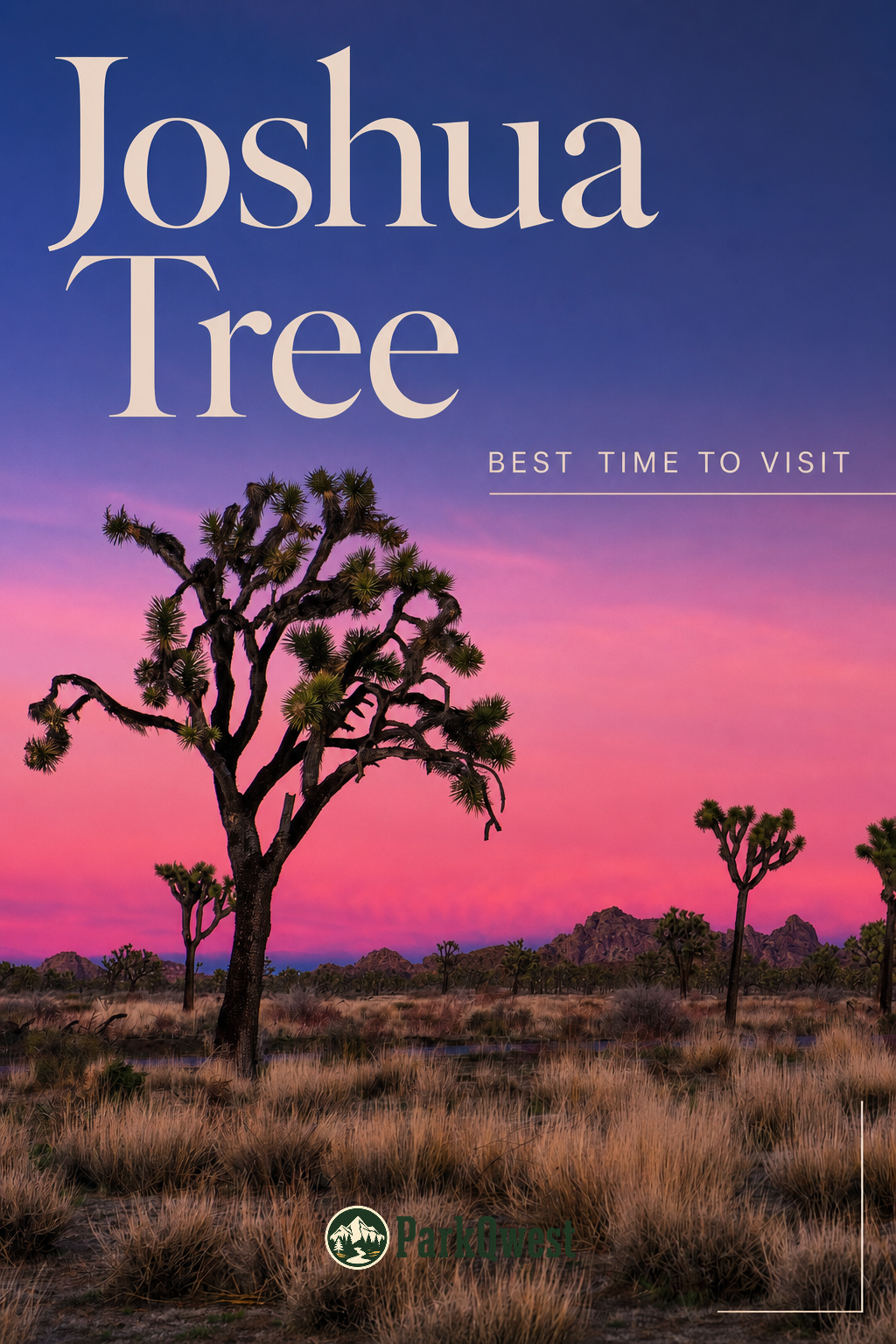
The best time to visit Joshua Tree National Park depends less on a single “perfect” month and more on what you want your days to feel like. This is a park of two deserts—the higher, cooler Mojave and the lower Colorado Desert—and the difference matters when you are choosing a season. Spring and fall are the easiest all-round picks, but winter can be the smartest choice for quiet hikes and crisp light, while summer works best for travelers who can build their plans around heat rather than fight it.
Use this guide as a decision tool: think about your tolerance for sun, your interest in long walks versus short scenic stops, how much daylight you want, and whether crowds or cold nights will bother you more. Conditions can change quickly after rain, wind, or unusual heat, so confirm current alerts, road information, and entrance details on the official National Park Service Joshua Tree page before you go.
Quick take
Choose spring or fall for the broadest range of comfortable daytime plans. Choose winter if cool hiking weather and lower-key days matter more than warm evenings. Choose summer only if you are happy making sunrise, sunset, and night sky the center of the trip.
At a glance: which season fits your trip?
| Season | Best for | Main tradeoff | Weather character |
|---|---|---|---|
| Spring | First visits, active days, varied itineraries | Popular periods can feel busy | Warm, generally comfortable, windy at times |
| Summer | Sunrise, sunset, stargazing, short outings | Extreme daytime heat limits activity | Often above 100°F by day; warm nights |
| Fall | Balanced hiking and road-trip days | Shortening daylight and rising demand | Comfortable days, cooler evenings |
| Winter | Cool-weather walks, photography, quieter pacing | Cold nights and the shortest days | Around 60°F days; freezing nights possible |
Spring: the easiest season for full days outside
Spring is the safest bet if this is your first Joshua Tree trip and you want the park to be the main event, not a weather-management exercise. The National Park Service describes spring as one of the most comfortable periods, with average highs around 85°F and average lows around 50°F. That range makes it easier to combine a scenic drive, time among the rock formations, and a longer walk without needing to retreat indoors by late morning.
What spring feels like
Spring has the desert contrast many travelers are looking for: clear air, strong sunshine, pleasant mornings, and enough warmth to stay out through late afternoon. The light can be especially good early and late in the day, when the park’s sculpted boulders and Joshua trees gain more shape and shadow than they have under noon sun.
Wildflower expectations need a reality check. Rainfall determines whether spring vegetation puts on a notable display, and no particular bloom can be promised. If flowers are a deciding factor, treat them as a possible bonus and check current NPS updates rather than booking around a social-media photo from a previous year.
Spring tradeoffs
- Crowds: Pleasant temperatures attract visitors, especially during weekends and school-break periods. If a peaceful atmosphere matters, favor weekday mornings or plan your most popular scenic stops near the beginning or end of the day.
- Wind: Desert wind can make an otherwise warm day feel cooler and can turn exposed viewpoints into less relaxing places to linger. A light insulating layer is more useful than many travelers expect.
- Access: The park is commonly reached from I-10 via CA Highway 62 for the West Entrance, North Entrance, Black Rock, and Indian Cove; the South Entrance is reached from I-10 exit 168. Check current entrance and road status after weather events.
Best for: first-time visitors, couples building a long weekend around outdoor time, photographers who want both daylight and reasonable temperatures, and travelers who prefer to keep their itinerary flexible without having every hour dictated by heat.
Summer: a sunrise-and-darkness park, not an all-day park
Summer is viable only when you plan around the heat with discipline. NPS guidance notes daytime temperatures over 100°F (38°C), with nights often not cooling much below 75°F (24°C). Low humidity does not make that heat harmless; it simply means sweat can evaporate quickly while dehydration sneaks up on you.
The practical summer rhythm is simple: do your walking and exposed sightseeing near sunrise, seek shade or air-conditioned downtime during the hottest part of the day, then return for late-afternoon light and dark skies. Joshua Tree’s clear desert conditions and dark night skies can make evenings compelling, but warm nights may be less comfortable for sleeping than visitors expect.
Summer decision rule
If your ideal day involves several hours of hiking between late morning and mid-afternoon, pick another season. If your ideal day is a quiet sunrise, a few carefully timed stops, and a long evening under desert skies, summer can work well.
What summer gives you—and takes away
Summer often feels visually stark: intensely bright days, deep blue skies, and dramatic silhouettes at the edges of the day. The downside is reduced spontaneity. A short walk that would be casual in spring may require much more water, earlier timing, and a firm turnaround plan in July or August.
- Daylight: Long days create generous early and late windows, but the middle portion may be unsuitable for strenuous activity.
- Crowds: Heat may reduce the number of people outdoors during the day, but do not confuse fewer people with easier conditions.
- Scenery: This is a strong season for bold desert light and nighttime viewing, not for lingering in exposed landscapes at noon.
Best for: heat-experienced desert travelers, overnight visitors with a realistic hot-weather plan, and people prioritizing dawn, dusk, or astronomy over long daytime mileage.
Fall: the balanced choice when you want warm days and cooler evenings
Fall has much of spring’s usefulness with a different mood: warmer ground, cooling evenings, and a gradual return to comfortable all-day exploration. NPS lists fall among the most comfortable seasons, with average highs around 85°F and average lows around 50°F. Early fall can still carry summer’s heat, while later fall brings a more noticeable need for layers after sunset.
For many travelers, fall is the best compromise between activity and atmosphere. You can plan a substantial outdoor day without the winter pressure of an early sunset, then enjoy the park’s dark skies without summer’s persistently hot nighttime temperatures.
Why fall is often the planner’s favorite
Fall is especially useful for visitors combining Joshua Tree National Park with a wider Southern California road trip. The days are generally comfortable enough for outdoor priorities, yet you are less likely to spend the entire day dodging spring crowds or summer heat.
The tradeoff is that demand tends to return as the desert becomes pleasant again. Rather than assuming a particular weekend will be quiet or busy, check conditions and plan your timing around the experiences that matter most. Shorter daylight later in the season means sunrise and sunset arrive sooner, which is wonderful for photography but gives less slack for a long, multi-stop day.
Best for: travelers who want warm but manageable conditions, repeat visitors looking for a calmer alternative to spring, and people who want equal weight on daytime exploration and evening skywatching.
Winter: cool days, sharp light, and real cold after dark
Winter is the season for travelers who would rather add a jacket than ration every hour in the sun. NPS describes winter days around 60°F (15°C), with freezing nights possible. Higher elevations can occasionally receive snow, adding a rare layer of contrast to the park’s familiar desert forms.
Winter daylight is the shortest of the year, so it rewards a more edited itinerary. Instead of trying to fit every viewpoint, rock formation, and desert zone into one day, choose a few priorities and give yourself time to enjoy the low-angle light. That light can make the terrain feel more textured and photographic for much of the day, not just at sunrise and sunset.
The winter tradeoffs worth accepting
- Cold nights: A daytime temperature near 60°F can be deceptive once the sun drops. Pack for freezing conditions if you will be outside after dark or staying overnight.
- Short daylight: Start earlier than you would in spring or summer, particularly if your plan includes multiple areas of the park.
- Weather shifts: Clear, dry days are common, but wind, rain, and occasional snow at higher elevations can change the feel of a visit quickly. Verify current conditions before departure.
Best for: hikers who prefer cool air, photographers who value long shadows, travelers avoiding hot weather, and visitors happy with a slower, layer-heavy desert day.
How to make the final call
If you are deciding between two seasons, use the activity you care about most as the tiebreaker:
- For the most forgiving overall weather: choose spring or fall.
- For long outdoor days without heat stress: lean toward spring, fall, or winter; avoid summer afternoons.
- For cool-weather hiking and dramatic low light: choose winter and pack for a cold finish to the day.
- For dark-sky evenings paired with manageable nighttime temperatures: favor fall or spring.
- For a heat-conscious, low-crowd-feeling escape: consider summer only if dawn and dusk are genuinely enough for your outdoor plans.
There is no bad season at Joshua Tree National Park; there are only seasons that ask different things of you. Choose spring or fall for range, winter for cool clarity, and summer for carefully timed desert intensity. That small shift in expectations is what turns a visit from a weather battle into the kind of trip worth saving and planning around.
Before you go
- Review official alerts, closures, hours, and reservation requirements.
- Allow extra travel time and keep an alternate plan.
- Use official NPS information as the final authority.
Sources
- Joshua Tree National Park — official National Park Service site — National Park Service, accessed 2026-08-23
Continue planning Joshua Tree
Learn more about Joshua Tree and find other helpful guides, trails, and trip information in the ParkQwest guide.
ParkQwest is a QwestLyfe Community.
QwestLyfe helps you track your lifelong bucket lists, collections, recipes, and the places you've been. Document your experiences, add notes and pictures, and share them with your friends — and the world.