Great Smoky Mountains National Park: Best Time to Visit
Plan with current information. Conditions, roads, services, fees, and rules can change. Verify details with the National Park Service before your visit.
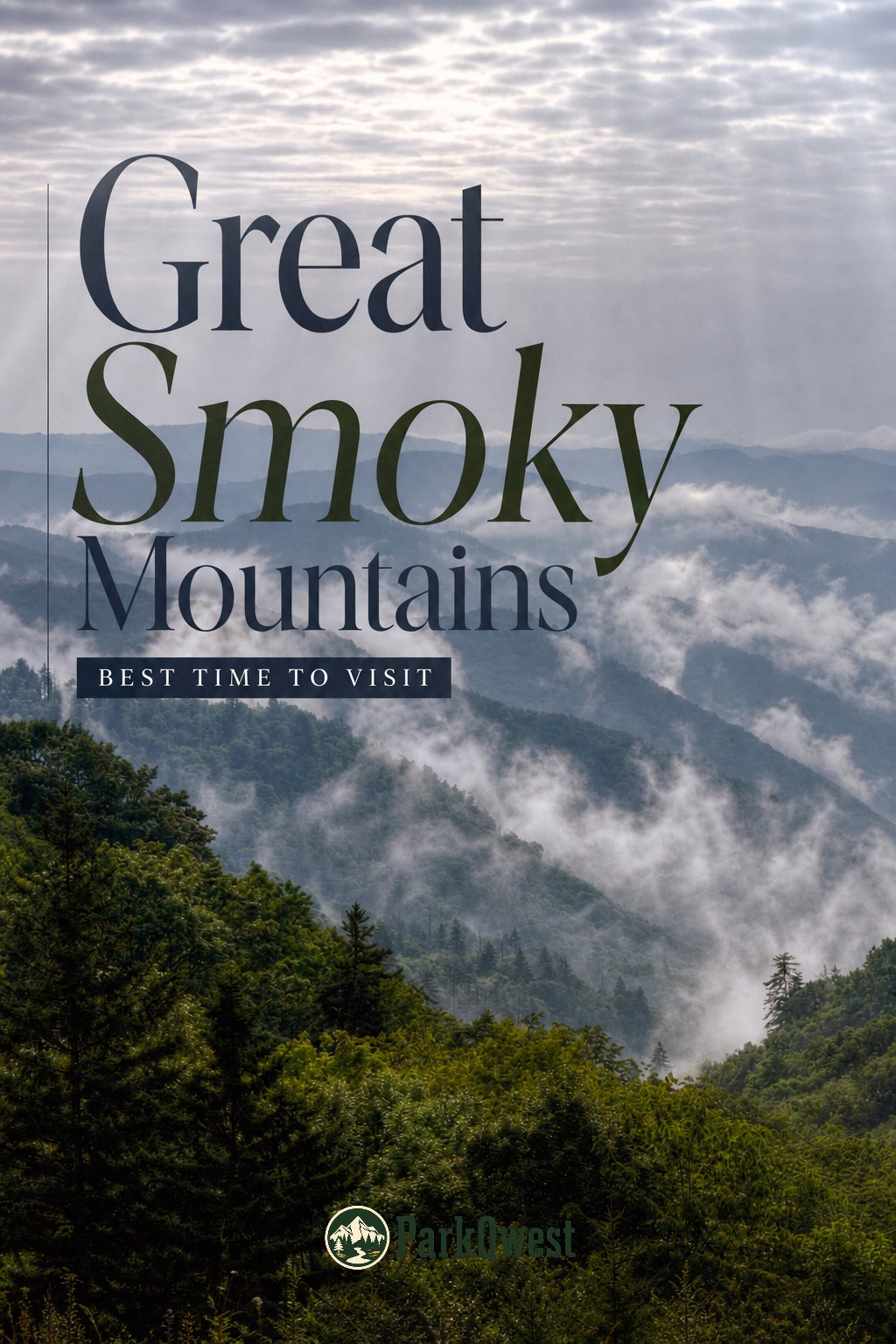
The best time to visit Great Smoky Mountains National Park depends less on a single “perfect” month than on what you want your days to feel like. This is a park of major elevation changes—from roughly 875 feet to 6,643 feet—and that range can turn one forecast into several different experiences. A warm, clear morning near a gateway community can become a cool, foggy, wet afternoon at higher elevations. Choose your season by balancing scenery against road and trail access, daylight, crowd tolerance, and how much weather uncertainty you are willing to build into the trip.
At-a-Glance: What Each Season Does Best
| Season | Best for | Main advantage | Main tradeoff |
|---|---|---|---|
| Spring | Wildflowers, streams, cooler walks | Fresh green scenery and changing conditions | Rain, mud, and variable mountain temperatures |
| Summer | Long days, family schedules, higher-elevation relief | Maximum daylight and broadly accessible conditions | The heaviest crowds, heat, humidity, storms |
| Fall | Leaf color, crisp air, scenic driving | Peak seasonal color and comfortable daytime hiking | Demand can be intense and timing is never exact |
| Winter | Quiet, bare-forest views, low-crowd trips | A calmer park with less traffic pressure | Short daylight and weather-related access changes |
Quick take
For the broadest balance of manageable weather, scenery, and usable daylight, aim for spring or the non-peak portions of fall. Pick summer when long days matter more than solitude, and winter when a quieter, weather-dependent trip sounds better than a packed itinerary.
Spring: Best for a Park That Feels Alive and Unfinished
Spring is the choice for visitors who enjoy changeable conditions as part of the experience. Forests gradually leaf out, streams tend to look energetic after rain, and the park’s exceptional plant diversity becomes especially noticeable. Rather than arriving to one uniform landscape, you may encounter early spring at lower elevations and much later seasonal conditions farther up the mountains.
That elevation difference is spring’s practical challenge. The National Park Service notes that temperatures can vary by 10–20°F from base to mountaintop, so a light layer that works near Gatlinburg, Townsend, or Cherokee may not be enough at higher elevations. Rain gear and footwear that handles wet ground are more useful than trying to predict one exact temperature.
Spring suits you if…
- You like cooler walking weather: Especially compared with the humid months ahead, spring can make active days more comfortable.
- You care about forest detail: New leaves, flowering plants, mossy stream corridors, and shifting greens are the point—not just wide views.
- You can tolerate imperfect conditions: A wet day, fog, or a chilly high-elevation stop will not feel like a ruined trip.
The tradeoff is reliability. Spring can offer pleasant days, but it is not the season to pack one scenic drive or one high-elevation outing into a rigid, cannot-miss schedule. Use a lower-elevation alternative for a cold or rainy day, and check current NPS conditions before heading toward higher ground.
Summer: Best for Maximum Daylight, Not Maximum Ease
Summer gives you the longest practical days for combining overlooks, short walks, cultural sites, and time in the forest. It is the natural fit for school-break travel and visitors who want to start early, take a midday pause, and still have useful light later in the day. Higher elevations can also feel notably cooler than the surrounding lowlands, although they can be wetter and cloudier too.
The reason summer needs strategy is simple: Great Smoky Mountains National Park is America’s most visited national park. Popular periods concentrate vehicles, parking pressure, and slow-moving traffic around the most obvious places. The best response is not to expect emptiness; it is to plan your most important stop for early in the day and let the middle of the day be less ambitious.
Summer’s real tradeoffs
- Crowds: Expect the greatest competition for the park’s most popular areas, especially on weekends and holiday periods.
- Weather: Heat and humidity can be tiring at lower elevations, while afternoon rain and thunderstorms may affect plans higher up.
- Visibility: Summer greenery is rich, but haze, cloud, or fog can limit long views on a given day.
- Daylight: This is the payoff—there is more room to shift an outing earlier or later without losing the entire day.
A smarter summer choice
Choose summer if your dates are fixed by school or work calendars, then protect the experience by prioritizing early starts and one or two meaningful objectives per day. Long daylight is valuable only if you do not spend the best hours stuck in the busiest arrival window.
Fall: Best for Color—If You Accept That “Peak” Is a Moving Target
Fall is the strongest choice for visitors who want the park’s scenery to carry the trip. Cooler air, changing leaves, and clearer-feeling days can make both driving and walking especially appealing. The ancient mountain ridges and layered forests are the visual focus, and elevation adds a useful twist: color does not arrive everywhere at the same time.
That staggered progression is why exact peak-color promises are not very helpful. Temperature, rainfall, wind, and elevation all influence what a particular week looks like. A trip planned around “the one perfect weekend” can be disappointing; a trip built around several days, multiple elevations, and flexible daily choices has better odds.
Who should choose fall?
Choose fall if crowds are an acceptable price for atmosphere. It is ideal for travelers who will happily trade spontaneous parking and quiet roads for seasonal color and comfortable layers. It is less ideal for anyone who needs the park’s signature views to be uncrowded or expects a photo stop to remain quick during a popular weekend.
For a less pressured fall visit, consider the edges of the season rather than treating the most publicized color period as the only worthwhile option. Early fall can still feel green in places; later fall can reveal more of the mountain structure as leaves thin. Both can be rewarding, and neither requires chasing an exact foliage forecast.
Winter: Best for Quiet, Structure, and Weather-Aware Travelers
Winter strips the park back to its bones. Without the dense canopy, forest contours and distant ridges can be easier to notice, and the overall pace may feel markedly calmer than in summer or peak fall. This is the best season for visitors who value fewer people over lush scenery and who are content with shorter, more deliberate days.
Winter also creates the widest gap between a plan on paper and a plan that is actually possible. Higher elevations may be much colder than the base, and precipitation can affect driving and access. Clear weather in Tennessee or North Carolina outside the park does not guarantee the same conditions in the mountains.
Winter works best for these travelers
- Quiet-season visitors: You would rather have less traffic pressure than long daylight.
- Scenic-day trippers: You are comfortable choosing routes and stops after checking conditions that morning.
- Photographers and observers: You appreciate moody weather, bare trees, mist, and mountain form rather than requiring bright green foliage.
The non-negotiable winter habit is checking the official NPS page before departure and again during a changing forecast. Verify current road, weather, and facility information rather than assuming a route open in another season will be practical that day.
How to Choose Your Season in One Minute
- Choose spring if fresh forest scenery and cooler temperatures outweigh your dislike of rain and temperature swings.
- Choose summer if you need long daylight and broad seasonal access, and can plan around crowds, heat, and storms.
- Choose fall if foliage is the central goal and you accept heavier visitation plus uncertainty around exact color timing.
- Choose winter if low crowds and a quieter mountain atmosphere matter more than predictability and long days.
No matter the month, plan for two elevations, not one forecast. Check conditions for the areas you intend to visit, bring a warm or rain-ready layer even when the gateway forecast looks mild, and use the official Great Smoky Mountains National Park page to confirm changing access information. In this park, the best season is usually the one whose tradeoffs you have consciously chosen.
Before you go
- Review official alerts, closures, hours, and reservation requirements.
- Allow extra travel time and keep an alternate plan.
- Use official NPS information as the final authority.
Sources
- Great Smoky Mountains National Park — official National Park Service site — National Park Service, accessed 2026-08-23
Continue planning Great Smoky Mountains
Learn more about Great Smoky Mountains and find other helpful guides, trails, and trip information in the ParkQwest guide.
ParkQwest is a QwestLyfe Community.
QwestLyfe helps you track your lifelong bucket lists, collections, recipes, and the places you've been. Document your experiences, add notes and pictures, and share them with your friends — and the world.