Cuyahoga Valley National Park: Best Time to Visit
Plan with current information. Conditions, roads, services, fees, and rules can change. Verify details with the National Park Service before your visit.
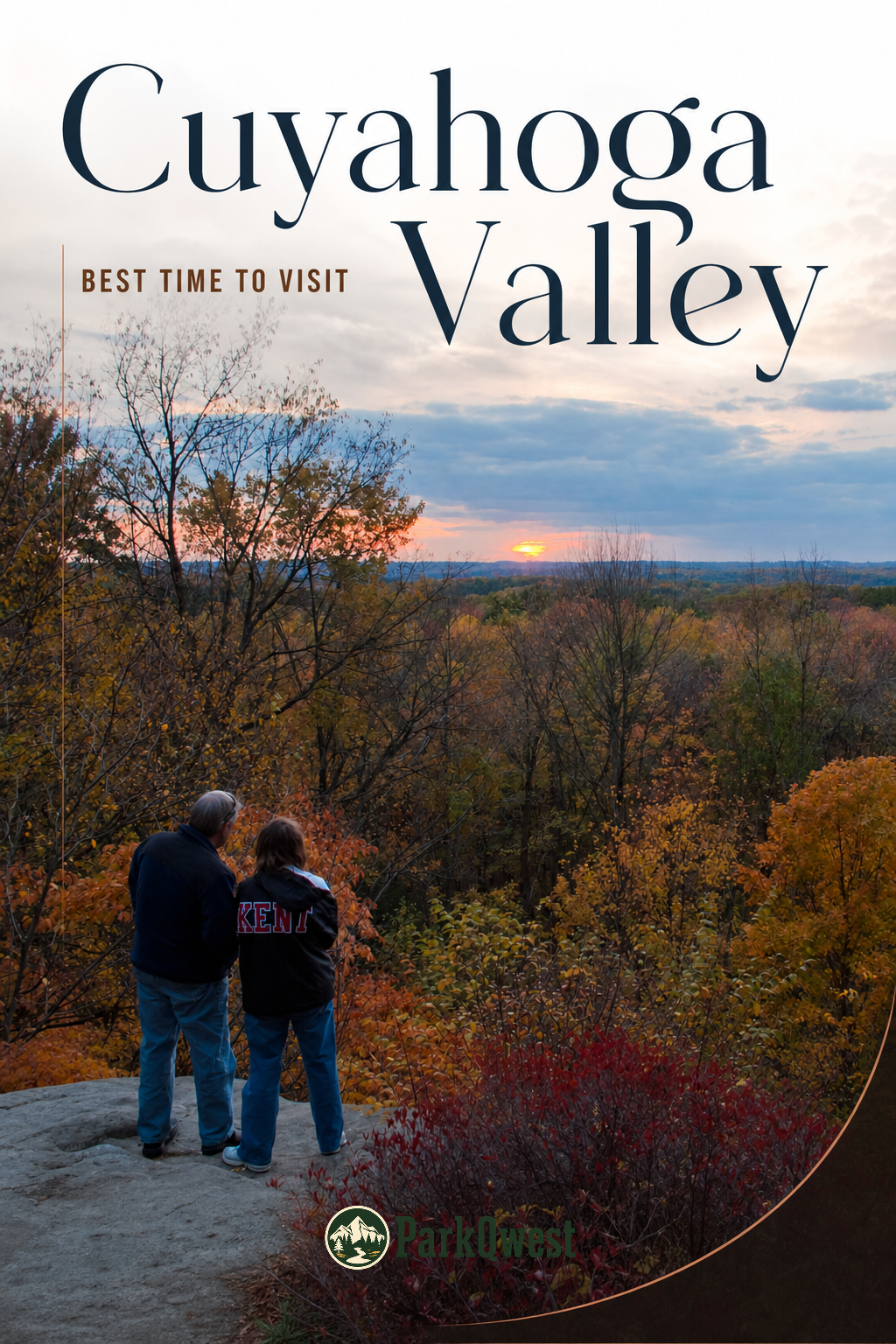
The best time to visit Cuyahoga Valley National Park depends less on a single “perfect” month and more on what you want the day to feel like. This is a park of wooded slopes, open farmland, the winding Cuyahoga River, and the historic Ohio & Erie Canal route, all close to Cleveland and Akron. That proximity makes it easy to visit in every season—but it also means weather, trail conditions, daylight, and weekend traffic can change the experience dramatically. Use this guide to choose the season that matches your priorities: fresh green trails, long active days, peak color, or quiet snow-covered landscapes.
Quick take
Choose fall for foliage and crisp hiking weather, summer for the longest days and broadest comfort margin, spring for wildflowers and lush scenery, and winter for solitude—if you are willing to plan around fast-changing lake-effect conditions.
At-a-Glance: Which Season Fits Your Trip?
| Season | Best for | Main advantage | Main tradeoff |
|---|---|---|---|
| Spring | Wildflowers, fresh foliage, repeat visitors | The landscape wakes up quickly | Rain, mud, and variable temperatures |
| Summer | Long walks, cycling, family day trips | Maximum daylight and generally easiest logistics | Humidity, heat, and busier weekends |
| Fall | Foliage trips, photographers, hikers | Color plus cooler walking weather | Peak weekends can feel crowded |
| Winter | Quiet outings, local visitors, snow lovers | The least crowded, most stripped-back season | Ice, snow, short daylight, changing conditions |
Spring: Best for Green Scenery, Wildflowers, and Lower-Pressure Exploring
Spring is the season to choose if you care more about renewal than predictability. NPS notes that rain and warming temperatures bring new leaves and blooming wildflowers, so the valley shifts from brown and bare to intensely green over a relatively short period. Forest walks feel especially rewarding once the canopy starts filling in, while open farmland and river views retain a softer, more spacious look than they do in midsummer.
The catch is simple: spring conditions can be messy. Rain can leave unpaved routes muddy and slippery, and a mild morning can turn into a chilly, wet afternoon. This is not the best season for travelers trying to schedule one tightly choreographed outdoor day around polished trail conditions.
Who should plan a spring visit?
- Wildflower-minded walkers: Visit during the period of warming weather, but check current NPS updates rather than relying on a calendar date for blooms.
- Photographers: Soft light, fresh leaves, rain-darkened bark, and high water can give the valley more texture than a dry summer day.
- Flexible weekend visitors: A short forecast check can help you choose the better day of a two-day window.
- People avoiding peak foliage crowds: Spring can feel active without carrying the concentrated demand of October color weekends.
Pack for wet ground, not just cool air. Shoes with dependable traction and a rain layer matter more than chasing an ideal temperature forecast. If recent rain has been persistent, verify current trail and facility conditions on the official NPS page before committing to a longer walk or bike ride.
Spring decision rule
Pick spring when you would rather see Cuyahoga Valley National Park at its greenest and most changeable than at its driest. It rewards visitors who can accept rain as part of the scenery rather than a ruined itinerary.
Summer: Best for Long Days and the Easiest All-Day Park Time
Summer is the most straightforward choice for visitors who want time outside without racing the clock. Longer daylight gives you more room for a leisurely walk, a Towpath Trail outing, and time to explore the valley without building the entire day around sunset. It is particularly practical for families, first-time visitors, and travelers combining the park with Cleveland or Akron.
But “easy” does not always mean cool. The NPS reports summer temperatures ranging from 49 to 95 degrees Fahrenheit, and humidity can be a real factor. A day that begins pleasantly can become sticky or hot enough that exposed stretches and long distances feel more demanding than expected.
Summer works best when you plan around heat, not against it
- Start earlier: Use the cooler part of the day for longer walking or cycling, then leave shorter, shaded exploration for later.
- Expect weekend demand: The park’s location near major urban areas makes summer weekends a natural choice for day users. A weekday generally offers a calmer rhythm.
- Bring layers anyway: NPS specifically recommends layers; cool mornings and changing weather can coexist with an afternoon that feels humid.
- Watch thunderstorms and closures: Confirm current conditions before leaving for the park, especially after periods of heavy weather.
Summer suits travelers who value usable daylight over dramatic seasonal scenery. The woods are fully leafed out, the valley feels alive, and logistics are usually simpler than in winter or early spring. If heat and humidity drain your enthusiasm, however, fall may offer a more comfortable version of the same active day.
Fall: Best Overall for Hiking Weather and Classic Valley Color
Fall is the strongest all-around answer for many visitors, especially if foliage is part of the reason for going. The NPS says fall color often peaks in mid-October, when the park’s forests, hills, and canal corridor can deliver the autumn look most people have in mind. Cooler air also makes sustained walking more comfortable than it can be during humid summer afternoons.
The important word is often. Peak color is weather-dependent, not an appointment, and fall temperatures can range from daytime lows in the 70s to freezing nights. Plan clothing for a broad swing, particularly if you expect to start early or stay near sunset.
How to choose your fall timing
- Early fall: Better if you want cooler days while avoiding the strongest foliage-driven demand. Expect more green in the canopy.
- Mid-October: The best bet for peak color based on NPS guidance, with the highest likelihood of popular areas and parking feeling busier.
- Late fall: Best for quieter, more muted walks after the brightest color has passed. Daylight is noticeably shorter, and cold mornings become more common.
Fall is ideal for travelers who want scenery and comfort in the same trip. It is also the season when a Saturday can feel very different from a weekday. If your schedule allows, choose a weekday during the foliage window; if it does not, arrive with patience and make the day about time outdoors rather than checking off a long list.
Winter: Best for Quiet, Snowy Atmosphere, and Short Local Outings
Winter gives Cuyahoga Valley National Park its clearest sense of escape from nearby city life. Bare trees open up different views through the woods, snow can simplify the landscape into river, field, and forest, and visitor pressure is generally lower. For a nearby resident or a traveler comfortable with cold-weather decision-making, that quiet can be the season’s main reward.
It is also the least forgiving season for treating the park like a fixed itinerary. NPS warns that weather can change rapidly because of lake-effect snow from Lake Erie, and temperatures may range from the mid-30s to below zero. Snow, ice, wind, and early darkness can affect both travel to the park and what feels sensible once you arrive.
Winter is right for you if…
- You can make a short-notice call: The best winter visit may be the clear, calm day after checking current conditions.
- You are content with a shorter outing: Limited daylight favors one focused walk over an ambitious all-day plan.
- You have proper traction and insulation: Warm layers, gloves, hat, and footwear suited to snow or ice are practical essentials.
- You value solitude over certainty: Winter’s payoff is atmosphere, not reliable access to every possible activity.
Winter reality check
Do not choose winter solely because it looks peaceful in photos. Choose it if a quieter park is worth accepting variable road, trail, and weather conditions. Check the official NPS page close to departure for current updates.
So, When Should You Go?
For the safest “best time” recommendation, target early-to-mid fall on a weekday and treat mid-October as the foliage sweet spot rather than a guaranteed peak. You get cooler walking temperatures, strong seasonal scenery, and enough daylight for a satisfying day in the valley. The tradeoff is that other people have the same idea, particularly on weekends.
If your trip is built around blooming landscapes, choose spring and accept rain. If you want the least complicated conditions for a long active day, choose summer and manage heat and humidity. If your ideal park visit means fewer people, snow possibilities, and a more contemplative pace, choose winter—but only after checking current conditions.
The durable strategy is to choose the season for its strengths, then verify the details that change. Before departure, consult the official Cuyahoga Valley National Park page for weather, trail conditions, alerts, and any operational updates. The valley is accessible year-round; the smart choice is the season whose tradeoffs you will actually enjoy.
Before you go
- Review official alerts, closures, hours, and reservation requirements.
- Allow extra travel time and keep an alternate plan.
- Use official NPS information as the final authority.
Sources
- Cuyahoga Valley National Park — official National Park Service site — National Park Service, accessed 2026-08-20
Continue planning Cuyahoga Valley
Learn more about Cuyahoga Valley and find other helpful guides, trails, and trip information in the ParkQwest guide.
ParkQwest is a QwestLyfe Community.
QwestLyfe helps you track your lifelong bucket lists, collections, recipes, and the places you've been. Document your experiences, add notes and pictures, and share them with your friends — and the world.