Park of the Day: Knife River Indian Villages National Historic Site
Plan with current information. Conditions, roads, services, fees, and rules can change. Verify details with the National Park Service before your visit.
A place to understand the Northern Plains differently
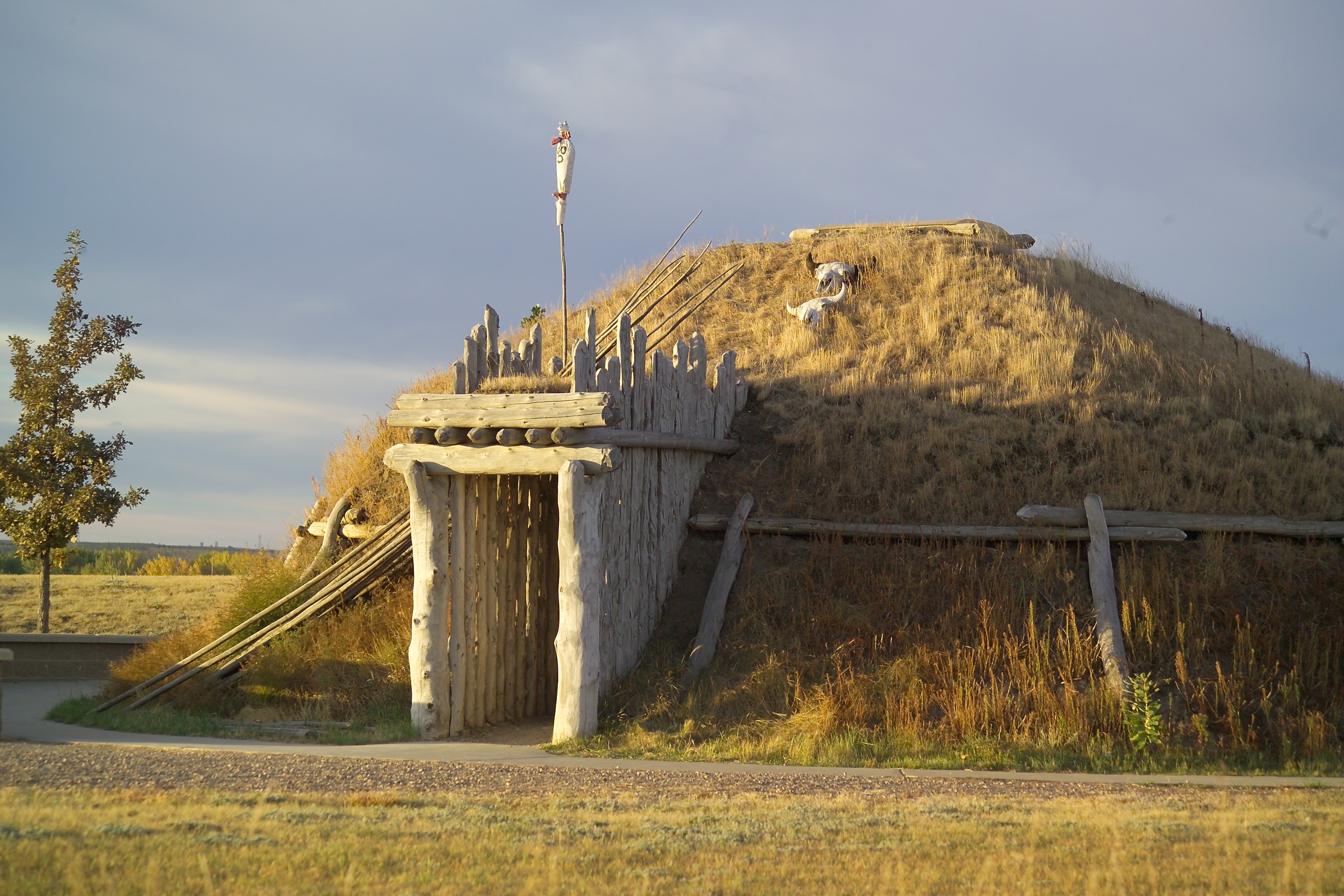
Knife River Indian Villages National Historic Site deserves a traveller’s attention today because it shifts the familiar story of the Plains. Here, the people of earthlodge villages were not defined only by bison hunting: they were, in essence, farmers living in villages along the Missouri River and its tributaries.
In western North Dakota, this is a place to slow down and think about community, exchange, food, and movement across a landscape that has connected people for centuries. Its setting also makes it a useful stop for anyone travelling between Bismarck, Minot, and the smaller communities of central North Dakota.
Quick take
Come for a deeper view of Plains history: Knife River Indian Villages was a major Native American trade center for hundreds of years before becoming an important marketplace for fur traders after 1750.
More than a stop on the Missouri
The site’s distinctive story is its combination of village life, agriculture, hunting, and trade. Earthlodge people hunted bison and other game, while their villages along the Missouri and its tributaries formed the foundation for a settled way of life.
That combination helps explain why this area became such an important Native American trade center for hundreds of years. Long before fur traders made the region an important marketplace after 1750, these river communities were already part of a significant network of exchange.
What a visit invites us to notice
A visit here is best approached with curiosity rather than a checklist. The site asks us to consider how a river landscape can support daily life, farming, hunting, travel, and trade all at once.
We can also use the visit to challenge simplified ideas about the Great Plains. The history highlighted here makes clear that village life and agriculture were central parts of the earthlodge people’s world, alongside the hunting of bison and other game.
Two ways to make the stop meaningful
First, give the trade story your full attention. It is easy to think of commerce as something that arrived with fur traders, but Knife River Indian Villages was already a major Native American trade center for centuries before fur trading became important after 1750.
Second, spend time considering the relationship between the villages and the Missouri River system. The official description places these communities along the Missouri and its tributaries, a detail that offers a practical lens for understanding why this location mattered.
Planning a visit
Knife River Indian Villages National Historic Site is one-half mile north of Stanton, North Dakota, on County Road 37. It is about one hour northwest of Bismarck and one and a half hours southwest of Minot, making it a manageable destination for a regional driving itinerary.
The closest commercial airports are in Bismarck, 60 miles away; Minot, 85 miles away; and Dickinson, 102 miles away. Hazen, about 15 miles from the site, has an airport for small planes, and charter and tour buses can park at the Visitor Center parking lot.
For timing, leave enough room in the day to absorb the site’s layered history rather than treating it as a quick roadside pause. Before setting out, check the official park page for current visitor information and decide how much time suits your interests and travel schedule.
Choose the season with North Dakota in mind
Late summer brings warm, sunny conditions, although temperatures can occasionally reach 100 degrees Fahrenheit and afternoon thunderstorms are frequent. For an August 31 visit, we would plan for sun, heat, changing weather, and a flexible outdoor schedule.
Winter travel requires a very different level of preparation: temperatures can fall as low as minus 35 degrees Fahrenheit, while high winds and sunny skies are common. Snow is sporadic in this relatively dry climate, but blizzards are common, so weather awareness matters in every season.
Before you go
- Review official alerts, closures, hours, and reservation requirements.
- Allow extra travel time and keep an alternate plan.
- Use official NPS information as the final authority.
Sources
- Knife River Indian Villages National Historic Site — official National Park Service site — National Park Service, accessed 2026-08-28
Continue planning Knife River Indian Villages
Learn more about Knife River Indian Villages and find other helpful guides, trails, and trip information in the ParkQwest guide.
ParkQwest is a QwestLyfe Community.
QwestLyfe helps you track your lifelong bucket lists, collections, recipes, and the places you've been. Document your experiences, add notes and pictures, and share them with your friends — and the world.